
Reviewed · ELEPHANT ORPHANAGE TOURS
Nairobi: David Sheldrick Elephant Orphanage Visit
Baby elephants make a powerful first impression. This Nairobi outing gives you a close look at orphaned elephants during their daily milk feeding, with wardens explaining how the David Sheldrick Wildlife Trust raises young animals for eventual return to the wild. I especially like the one-hour feeding session and the chance to ask questions directly at the rope. I also like the private hotel pickup, which saves you the hassle of arranging a taxi across Nairobi.
The main caution is the transport service. One booking included a pleasant, safe drive but no real guiding, along with confusion about park fees, the entrance booking number, and plans for the rest of the day. Confirm exactly what your $85 covers before you set out, especially the separate $80 Nairobi National Park Conservancy fee listed as not included.
In This Review
- Key points to know before booking
- Why this one-hour visit matters
- Getting from your Nairobi hotel to the trust
- Arriving for the 11:00 AM feeding
- Behind the rope with the baby elephants
- The conservation lesson behind the photos
- What the $85 price really covers
- Who will get the most from this experience
- How to make the booking go smoothly
- Should you book the Nairobi elephant orphanage visit?
- FAQ
- How long is the elephant orphanage visit?
- What happens during the visit?
- Can I feed the baby elephants myself?
- Is hotel transportation included?
- What is not included in the price?
- What should I bring?
Key points to know before booking
- The elephants appear only from 11:00 AM to noon, so timing matters more than with a normal sightseeing stop.
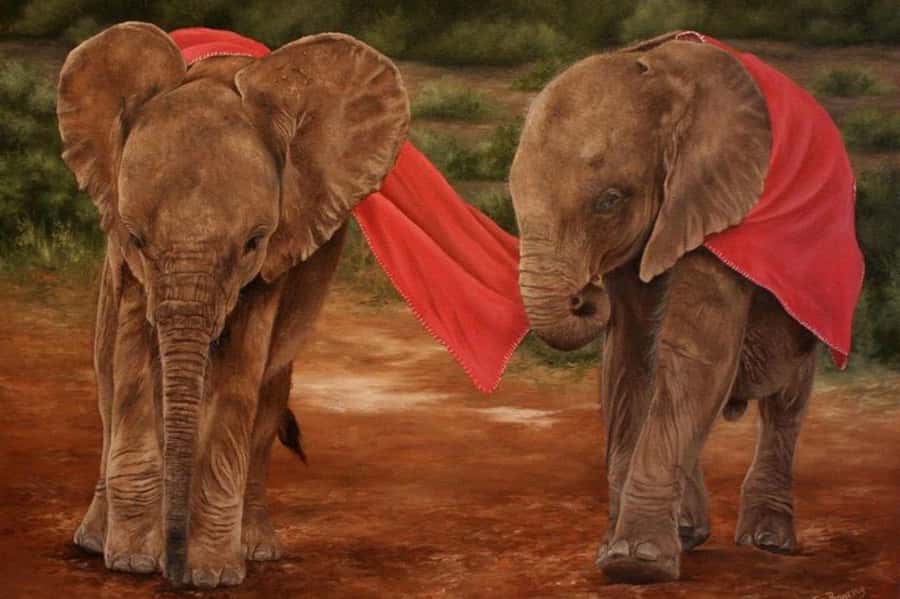
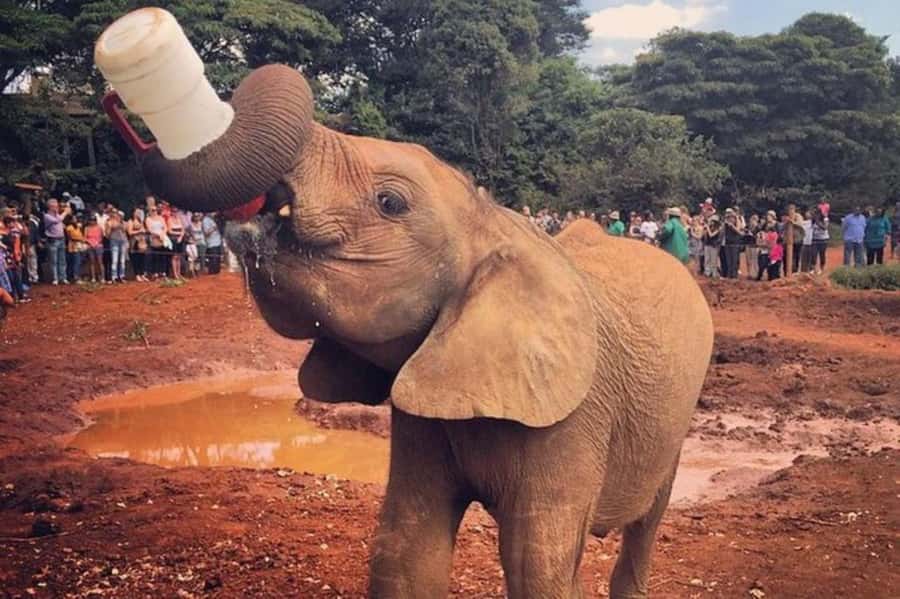
- Wardens feed the babies formulated milk while explaining the orphanage’s conservation work.
- You watch from behind a rope, giving the elephants space rather than treating the visit like a petting zoo.
- Hotel pickup and drop-off are included, but the service may function mainly as transportation rather than a full guided tour.
- The advertised price is $85 per person, with lunch, personal spending, and an $80 conservancy fee excluded.
- Booking ahead is wise, since the daily public visit is limited to one hour.
Why this one-hour visit matters
The David Sheldrick Wildlife Trust is known for raising milk-dependent infant elephant and rhino orphans. That detail explains why the visit focuses so closely on feeding. Very young elephants cannot survive without carefully prepared milk, and the feeding routine is part care, part education, and part conservation lesson.
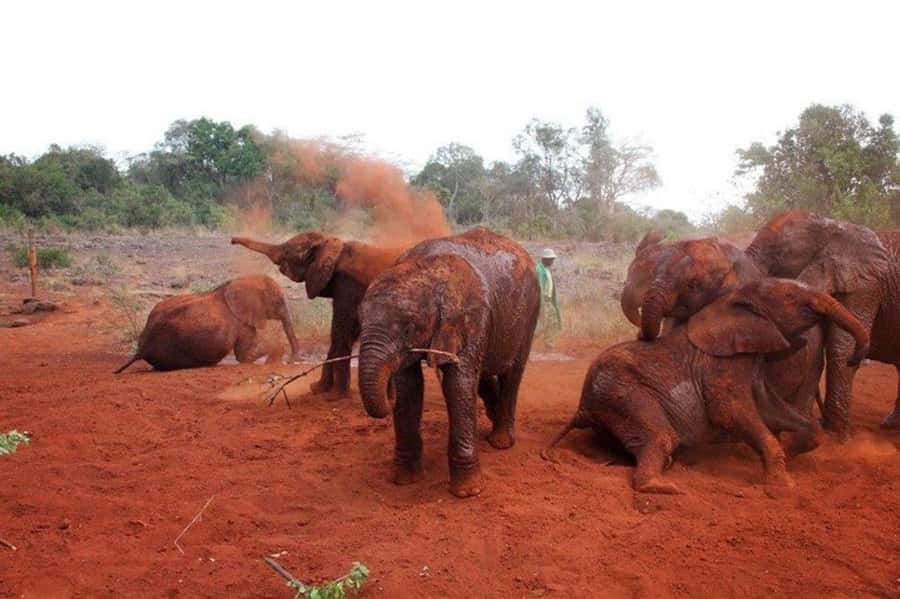
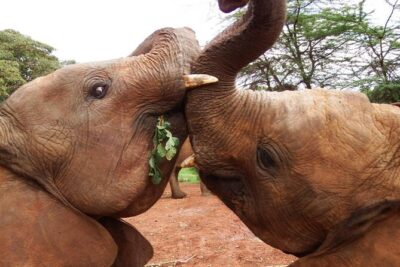
You will see the babies brought out to play and eat during the fixed morning session. They may shuffle, nudge one another, roll in the dirt, or wander toward the wardens. I like this format because the animals are not displayed all day for entertainment. You get a short, focused look at a real care routine.
The experience is also more informative than a simple photo stop. Wardens explain the orphanage’s work and answer questions about the elephants. That gives you a chance to ask about milk feeding, orphan care, and the wider conservation effort, though the supplied details do not promise a private talk or a long classroom presentation.
You should keep your expectations sensible. This is not a safari drive, and it is not a chance to freely handle baby elephants. Visitors watch from behind a rope, while the wardens control the feeding and movement of the animals. That boundary is a good thing. It keeps the young elephants safer and makes the visit less intrusive.
More elephant orphanage visits:
- Elephant Orphanage and Giraffe Center Tour with Options
★ 4.5 · 457 reviews - Nairobi National Park, Elephant Orphanage and Giraffe Centre
★ 4.6 · 365 reviews - From Nairobi: Elephant Orphanage and Giraffe Center Day Trip
★ 4.5 · 235 reviews
Getting from your Nairobi hotel to the trust
Pickup is arranged from your Nairobi hotel, and the meeting instructions say the guide waits in the hotel lobby or at the airport. The stated transfer time is about 25 minutes, though Nairobi traffic can affect any road journey. The private format is useful if you are short on time, carrying luggage, or arranging a visit between flights and a hotel stay.
The most important point is to clarify what private tour means here. Private transport does not always mean a guide accompanies you through every stage. One reported experience described the driver as friendly and safe but mainly a driver, with the ride feeling much like an arranged taxi service. If you want detailed commentary during the drive or help inside the park, ask the operator before booking.
There was also a serious paperwork problem in one case. The driver did not have the booking number, and there was a dispute over an entrance payment that the customer believed was already covered. You can reduce the risk by saving your confirmation on your phone and carrying a printed or downloaded copy of the booking number.
I would also confirm the return plan. The advertised route includes pickup, the orphanage visit, and drop-off in Nairobi. A separate description mentions a photo stop, lunch, and shopping for about an hour, but lunch is not included. Another booking expected a longer route through the park and onward airport transport, yet returned to the hotel around 1:00 PM instead. Do not assume airport transfer, a full day in Nairobi National Park, or extra sightseeing unless those details are written clearly in your confirmation.
Arriving for the 11:00 AM feeding
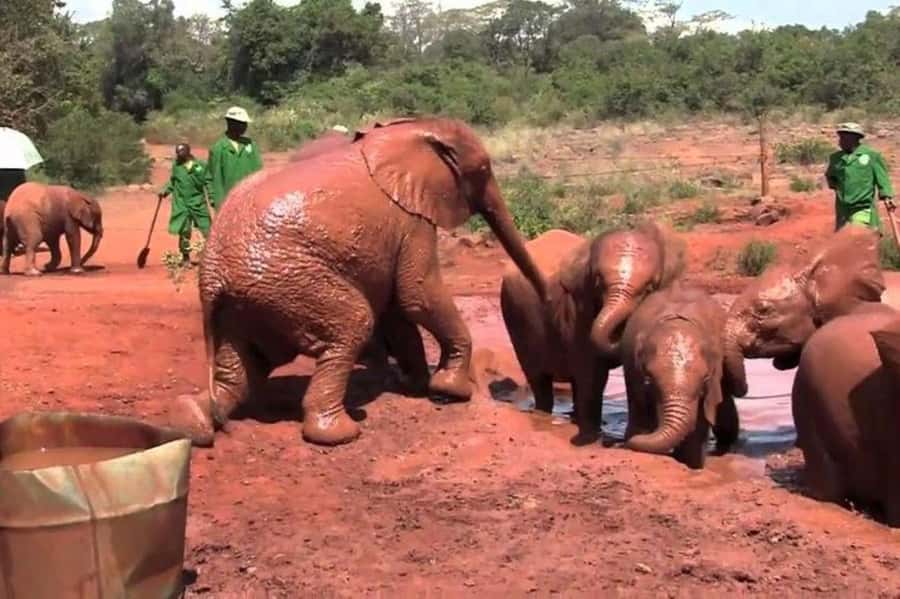
The trust allows visitors in for just one hour each day, from 11:00 AM to noon. This narrow window shapes the entire outing. A pickup at 9:00 AM, as reported in one case, left more than an hour before entry. That wait may feel long, but arriving early is safer than missing the only public session.
Your driver should allow time for traffic, entry formalities, and finding the correct meeting point. Since the elephants are not available for viewing throughout the day, a late arrival could cost you the main event. Ask for the planned pickup time and expected arrival time before you leave your hotel.
Once the session begins, the babies come out to play and feed. Wardens give the milk using formulated feeds suited to infant elephants. The sight of a young elephant eagerly drinking from a bottle is the emotional center of the visit, but the explanations around that moment are just as important.
The one-hour limit can be a benefit. You get a clear start and finish, rather than wandering through a large facility wondering what you are supposed to see. On the other hand, you will not have unlimited time for photographs or repeated viewing. Bring your camera, but be ready to put it down and listen.
Behind the rope with the baby elephants
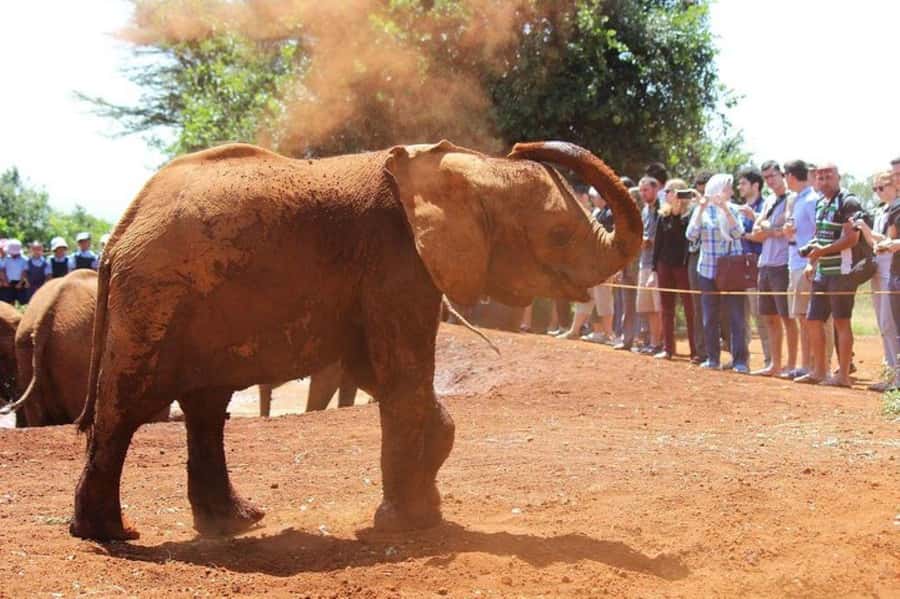
The rope is an important part of the experience. You remain close enough to see the feeding and play, but the animals have a defined space around them. This is a more respectful arrangement than a photo opportunity built around touching or holding wildlife.
The babies are likely to attract your attention immediately, yet the visit works best when you watch their behavior rather than chase the perfect picture. Look for how they move around one another, respond to the wardens, and switch between feeding and play. The information provided does not guarantee that every elephant will come right up to the rope, so keep your expectations flexible.
You can ask questions during the session. If you care about conservation, this is your chance to ask how the trust supports orphaned animals and why milk-dependent infants require such specialized care. If you are visiting with children, the feeding makes the lesson easy to understand, but the setting still calls for quiet behavior and careful attention to instructions.
Respect matters here. Do not call to the elephants, reach across the rope, or try to attract their attention for a photograph. Follow the wardens’ directions, and remember that these are rescued young animals receiving care, not trained performers.
A few more options to weigh up in Nairobi
- Nairobi National Park Half-Day Tour; Free Wi-Fi connection
★ 5.0 · 878 reviews - Nairobi: National Park & Optional Elephants & Giraffe Center
★ 4.8 · 874 reviews - NAI NAMI: Nairobi Storytelling Tour with Street Children
★ 5.0 · 792 reviews - Nairobi National Park Half-Day Game Drive
★ 4.5 · 738 reviews
The conservation lesson behind the photos
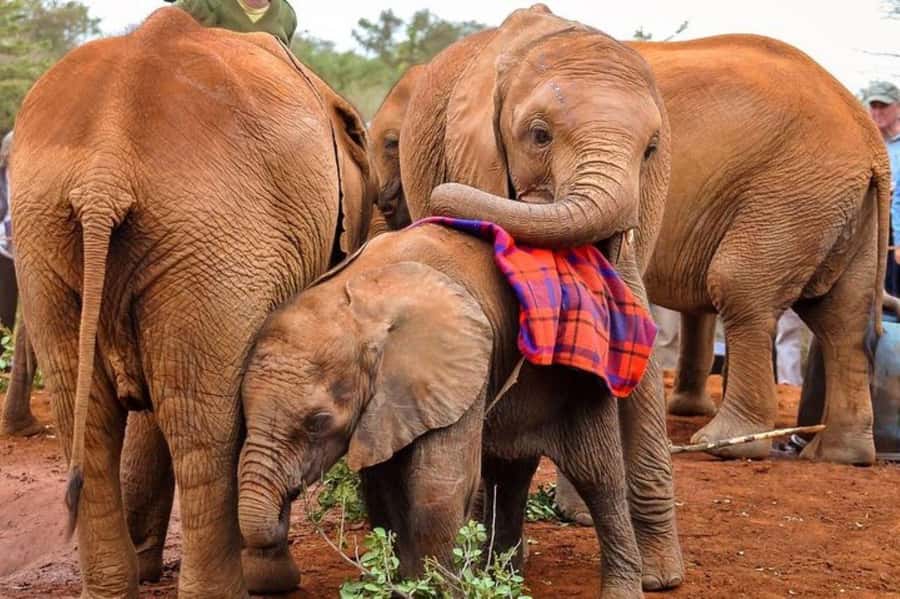
The trust is described as a world-class authority in raising milk-dependent infant elephant and rhino orphans. That gives the visit a purpose beyond seeing cute animals. You are watching a specialized care program at work, and your admission helps connect tourism with wildlife protection.
The word orphanage can sound like a permanent home, but the information provided focuses on raising young animals through their milk-dependent stage. The experience does not promise details about every elephant’s future, so I would avoid assuming that all the babies remain at the facility permanently. Ask the wardens about rehabilitation and eventual release if that is important to you.
This is also why the visit feels different from seeing elephants on safari. In a national park, you observe wild animals behaving on their own terms. At the trust, you see the human care required when an elephant has lost its mother and cannot yet survive independently. Both experiences matter, but they tell different stories.
For many people, the emotional effect is strong. The young elephants are playful and appealing, but the setting also reminds you that their presence comes from loss. Be prepared for a heartwarming visit with a serious conservation subject underneath it.
What the $85 price really covers
At $85 per person, the package is not simply an admission ticket. It includes hotel pickup and drop-off, entry to the orphanage, the chance to watch feeding time, and an informative talk by the wardens. For a private outing from a Nairobi hotel, that can be fair value, particularly if you prefer not to arrange transport yourself.
The value depends heavily on the transport. If your driver arrives on time, has the booking details, and returns you as promised, the package is convenient. If you expected a full guide, a park visit, lunch, or airport transfer, the same price may feel disappointing.
The largest cost question is the separate $80 Nairobi National Park Conservancy fee. It is listed as not included, so you should budget for it if your confirmed route requires it. One booking involved a request for $20 per person at the park, which did not match the customer’s understanding of the reservation. That mismatch is exactly why you should ask the provider to state the required fee, currency, and payment point in writing.
Lunch and personal expenses are also extra. The day description allows time for lunch or shopping, but do not treat that hour as an included meal or guaranteed shopping stop. Ask what happens after the orphanage visit if you want to use the outing as part of a longer Nairobi day.
Who will get the most from this experience
I would recommend this visit to families, first-time Nairobi visitors, wildlife lovers, and anyone with a free morning in the city. The elephants are an easy focus for children, while the conservation talk gives adults something meaningful to take away.
It is also a good fit if you value convenience. Hotel pickup and drop-off remove one of the more tiring parts of Nairobi sightseeing. A private vehicle can be especially helpful when your schedule does not fit a large group departure.
You may want a different arrangement if you want a full-day safari. The core animal visit lasts one hour, and the wider plan is not described with enough detail to treat it as a complete Nairobi National Park excursion. You may also be disappointed if you expect to feed the elephants yourself. The clear promise is that you can watch the wardens feed them with formulated milk, while the animals remain behind a rope.
People with animal allergies should not book this activity. Everyone else should bring a hat, sunscreen, a camera, and comfortable clothes. The visit is outdoors, and you will spend the main hour standing or walking near the elephants.
How to make the booking go smoothly
Book in advance because entry is limited to the 11:00 AM to noon session. Before payment, ask for five simple confirmations:
- Your exact hotel pickup time
- The booking number your driver will carry
- The total entrance cost, including any conservancy fee
- Whether the driver is also your guide
- Your confirmed return plan
Keep the confirmation available offline. That small step could prevent the kind of entrance confusion reported during one booking.
The provider, Exellent African Wilderness Tours, offers English-language service. One named guide, Masrack, received especially warm praise for doing a fantastic job. If you are booking directly or can make a guide request, asking whether Masrack is available may be worthwhile, though availability is not guaranteed.
The activity allows free cancellation up to 24 hours before departure and offers reserve-now, pay-later booking. Those terms are useful when your Nairobi schedule is still shifting, but they do not remove the need to confirm the fee details and route.
Should you book the Nairobi elephant orphanage visit?
Book it if your priority is a moving, tightly focused conservation visit with baby elephants, a wardens’ talk, and hotel transport. The one-hour feeding session is the heart of the experience, and the trust itself is the strong part of the package.
Book with caution if you expect a polished, fully guided day. The main weakness is not the elephants. It is the possibility of unclear transport duties, park charges, and return plans. Get those points confirmed in writing, carry your booking number, and budget for the separate $80 fee if it applies.
With those checks in place, this can be a worthwhile Nairobi morning. You will not get a full safari, but you will see a specialized elephant-care program at close range and leave with a clearer sense of the work required to give orphaned animals a second chance.
FAQ
How long is the elephant orphanage visit?
The public visit lasts one hour, from 11:00 AM to noon. The full activity is described as a one-day experience because it includes transportation and possible time for lunch, photos, or shopping.
What happens during the visit?
Baby elephants are brought out to play and feed. Wardens give them formulated milk, explain the orphanage’s conservation work, and answer questions.
Can I feed the baby elephants myself?
The confirmed activity includes the opportunity to watch the wardens feed the baby elephants. It does not clearly promise that visitors personally give them milk, so you should not assume hands-on feeding is included.
Is hotel transportation included?
Yes. Hotel pickup and drop-off in Nairobi are included, with the guide or driver meeting you in the hotel lobby. Airport pickup is also mentioned in the meeting information.
What is not included in the price?
Lunch, personal expenses, and an $80 Nairobi National Park Conservancy fee are listed as extra. Confirm whether that fee applies to your specific route before departure.
What should I bring?
Bring a hat, camera, sunscreen, and comfortable clothes. You should also respect the animals and follow the wardens’ instructions throughout the visit.
Just added in Nairobi
- Wildlife Capital: Half-Day Safari at Nairobi National Park★ 5.0 · 2 reviews
- 4 Days Tour Landcruiser in Masai Mara and Lake Nakuru★ 5.0 · 10 reviews
- 4 Days Safari to Lake Nakuru N/P and Maasai Mara N/R★ 5.0 · 18 reviews
- 3 days maasai mara migration safari★ 4.5 · 7 reviews
- Day Tour to Nairobi national park, Elephants, and Giraffe Center★ 3.5 · 8 reviews
- 6 Days Kenya Budget Group Safari★ 5.0 · 2 reviews
- Maasai Mara Day Trip★ 5.0 · 15 reviews
- 3 Days Masai Mara Wildebeest migration Budget safari★ 5.0 · 2 reviews
Elephant Orphanage Tours, compared.
Elephant Orphanage and Giraffe Center Tour with Options
Read our review →
Nairobi National Park, Elephant Orphanage and Giraffe Centre
Read our review →

Half day tour to Elephant orphanage & Giraffe Centre Nairobi
Read our review →
National Park, Elephant Orphanage & Giraffe Center
Read our review →
Giraffe Centre, Elephant Orphanage, and Bomas of Kenya Day Tour from Nairobi
Read our review →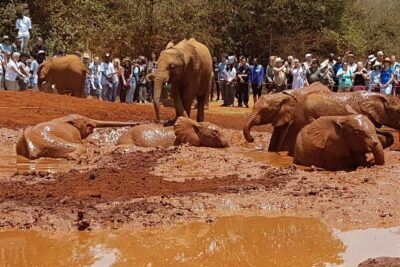
Giraffe Center, Elephant Orphanage, Beads Center & Bomas of Kenya Tour Nairobi
Read our review →Browse the lists this tour appears in