
Reviewed · FORT JESUS TOURS
MOMBASA:FortJesus,OldCity,GiraffeOstrich,Oryx,Eland,WildTour
Mombasa tells its story in stone and wildlife. I like this tour because it joins Fort Jesus and Old Town with a close look at giraffes, ostriches, and antelopes at Nguuni Nature Sanctuary. I also like the local touches, including the spice market, Shiva Temple, Elephant Tusks monuments, and Swahili tea on afternoon departures. The main catch is that entry fees are extra, and transport back to your hotel is not included.
Guide John David Mwangi Irungu gives this outing a personal feel, with clear explanations, help taking photos, and time to look around rather than rushing from stop to stop. You should allow a full day if you want the city and sanctuary to feel worthwhile. The half-day option can feel tight, especially if you want both Fort Jesus and the wildlife walk.
In This Review
- Five details that shape the day
- Why this Mombasa combination works
- Fort Jesus and the struggle for Mombasa
- Walking through Mombasa Old Town
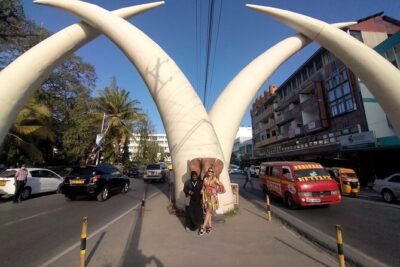
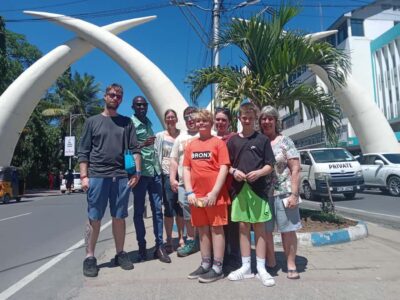
- The Elephant Tusks on Moi Avenue
- Nguuni’s giraffes and rescued quarry land
- What the guide adds to the day
- Food, walking, and what to bring
- Is $40 good value?
- Who should book this experience?
- Final verdict: a strong city and wildlife pairing
- FAQ
- What does the Mombasa tour include?
- Are Fort Jesus and Nguuni Nature Sanctuary entry fees included?
- Is transportation back to my hotel included?
- What animals can I see at Nguuni Nature Sanctuary?
- Is the tour available in English?
- Does the tour include food or drinks?
- What should I bring?
- Can I cancel the booking?
Five details that shape the day
- Portuguese-built Fort Jesus offers a compact lesson in Mombasa’s military and colonial past, but the entry fee is separate.
- Old Town’s narrow lanes lead past ancient mosques, coral-stone homes, balconies, markets, and doorways that reward a slow walk.
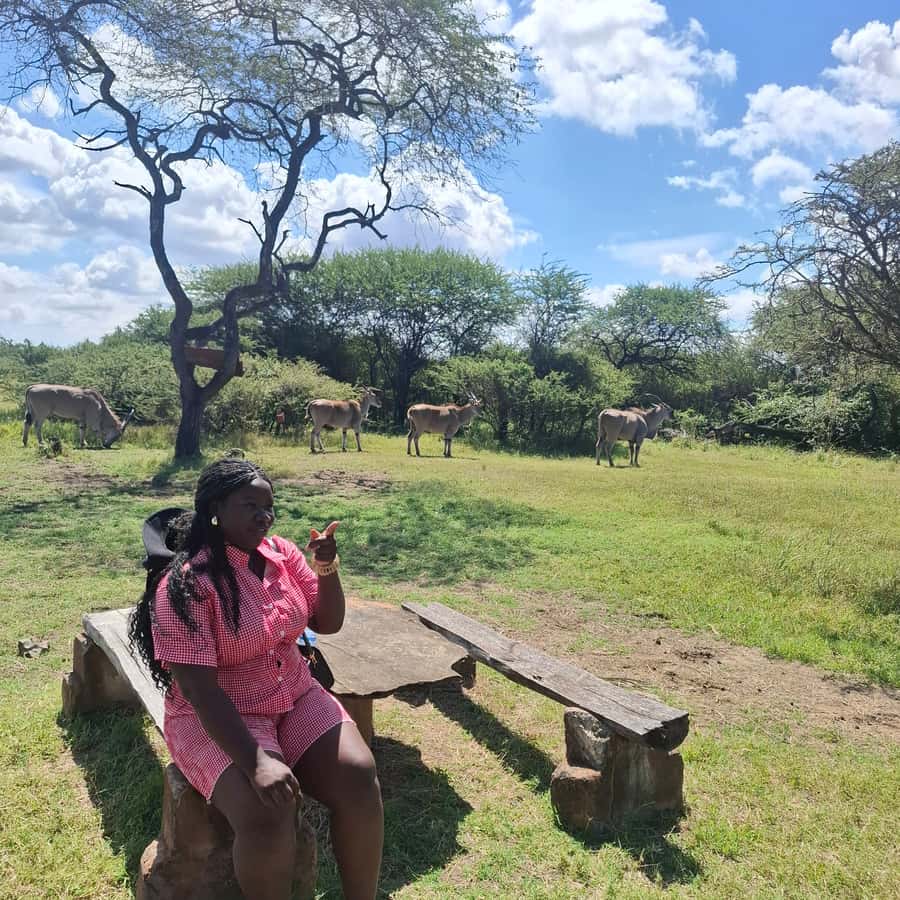
- Nguuni Nature Sanctuary lets you walk close to giraffes, ostriches, antelopes, and other animals rather than viewing wildlife only from a vehicle.
- The Elephant Tusks on Moi Avenue make a quick but memorable city stop and help connect Mombasa’s modern center with its past.
- Afternoon tours include Swahili coffee or tea, a pleasant local detail after time in the heat.
- The $40 price is reasonable for a private-feeling guided day, but you need to budget separately for Fort Jesus, Nguuni, and your return ride.
Why this Mombasa combination works
Many city tours give you one narrow slice of Mombasa. This one links three different sides of the city: coastal history, daily street life, and wildlife conservation. That mix is the main reason I find it appealing.
You begin with a hotel pickup and head toward the historic center. From there, the day moves between a major fort, the Old Town streets, central Mombasa, and Nguuni Nature Sanctuary. The sequence gives you context first, then a more relaxed nature stop later.
The tour is conducted in English, and the guide is an important part of its value. John David Mwangi Irungu is described as patient, helpful, and willing to explain the background of each place. He also helps with photographs and videos, which matters if you are exploring alone or want more than rushed snapshots.
The outing is listed at $40 per person. That is a fair starting price for hotel pickup to the tour sites, guiding, and a full day that covers both the city and a wildlife area. Still, the advertised price is not the final cost. You pay separately for Fort Jesus and Nguuni Nature Sanctuary, and you must arrange and pay for transport back to your hotel.
That makes this a better deal for someone who values a guide and several stops in one day than for someone looking only for a cheap walk around Old Town.
More Fort Jesus visits:
- Walking Tour Through Old Town Mombasa and Fort Jesus
★ 5.0 · 393 reviews - Mombasa: Tusks, Fort Jesus, Old Town, Beach and City Tour
★ 4.7 · 137 reviews - Visit to Fort Jesus and the Old Town of Mombasa
★ 5.0 · 47 reviews
Fort Jesus and the struggle for Mombasa
Fort Jesus is the day’s strongest historical stop. The Portuguese built it in the 16th century on a coral ridge at the entrance to Mombasa’s harbor. Its purpose was practical and forceful: to protect Portuguese interests and help control the East African coast.
The fort’s location explains much of its importance. From this position, the Portuguese could watch the harbor and defend access to the city. The building later became the focus of repeated conflict, especially during Omani Arab attacks from 1696 to 1698.
Its later uses tell you how Mombasa changed under different rulers. From 1837 to 1895, the fort served as barracks. After the British protectorate was proclaimed on July 1, 1895, it became a prison. Today, it is a major historical site and a UNESCO World Heritage Site.
I like that the guide explains this sequence rather than leaving you to read isolated dates on a sign. The fort makes more sense when you understand that it was not simply an old Portuguese building. It was a military post, a contested symbol, a barracks, and a prison.
The drawback is clear: Fort Jesus entry is not included. Bring extra money and check the current admission cost before setting out, since the supplied details do not give a fixed fee. Also expect sun and walking on hard surfaces, so comfortable shoes, water, a hat, and sunscreen are sensible.
Walking through Mombasa Old Town
After Fort Jesus, you move into Old Town. This is where the tour becomes less about one monument and more about the feel of the city.
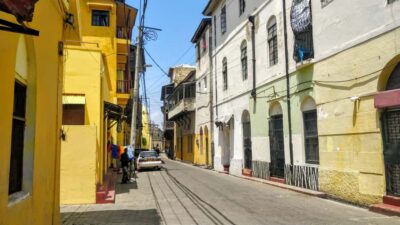
The streets are narrow and cobbled, with ancient mosques, residential houses, overhanging balconies, and old doorways. The buildings reflect Mombasa’s position on the Indian Ocean, where African, Arab, Portuguese, and British influences met over many centuries.
You can expect a maze-like walk rather than a tidy museum route. That is part of the appeal. A local guide helps you notice details you might otherwise pass without understanding, including the role of mosques, the shape of older homes, and the way the market streets connect.
The spice market adds sound, color, and scent to the historical walk. You may see fruit, fabrics, and spices sold close to the same old lanes where people live and work. This is a working part of Mombasa, not a preserved street set built only for sightseeing.
I would keep your camera ready, but ask before taking close-up pictures of people or inside religious sites. Flash photography may be restricted at some locations. The tour includes the Old Town, spice market, Shiva Temple, and city center, giving you a broad introduction rather than a single-site visit.
Do not expect a quiet stroll. The streets can be busy, and the walking route may feel warm and crowded. That is precisely why the guide matters. You get help making sense of the surroundings instead of simply following a map through unfamiliar lanes.
The Elephant Tusks on Moi Avenue
The Elephant Tusks are a short city stop, but they help round out the Mombasa picture. The large tusk-shaped monuments on Moi Avenue are among the city’s best-known landmarks and make an easy photo stop.
This visit is not a long museum experience. Think of it as a brief look at a recognizable part of central Mombasa, placed between the older quarter and the nature stop. It also gives you a change of setting after the narrow Old Town lanes.
The stop works well because the tour does not treat Mombasa as only a historical quarter. You see the old fort, the market streets, and a major city avenue. That variety gives you a clearer sense of how the city functions today.
A few more options to weigh up in Mombasa
- Mombasa: Kisite Park Private Cruise with Breakfast and Lunch
★ 4.7 · 181 reviews - Mombasa City Tour
★ 5.0 · 170 reviews - Half-Day Scenic Bike Tour
★ 5.0 · 75 reviews - 2 Days Tsavo East National Park Tour From Mombasa/Diani (1 Night)
★ 5.0 · 50 reviews
Nguuni’s giraffes and rescued quarry land
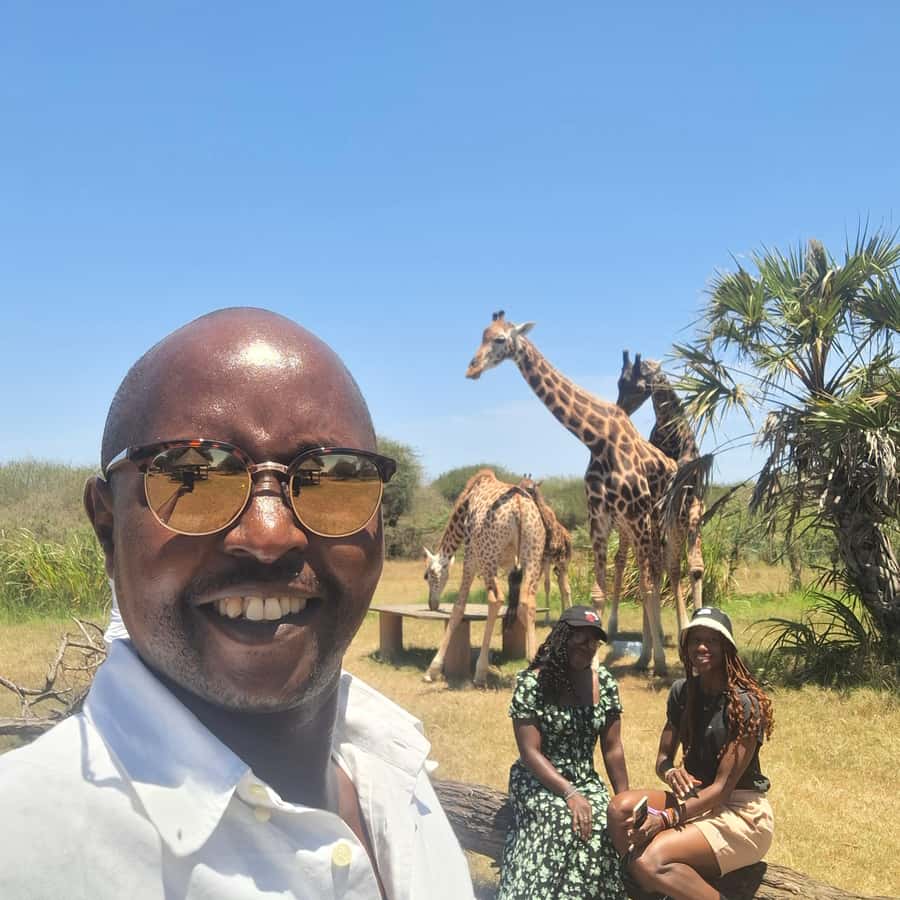
The biggest surprise is Nguuni Nature Sanctuary. The site began as former quarries, where limestone extraction left difficult ground with intense tropical sun and little plant cover. Reforestation was not simple. Of the first 26 plants planted there, only three survived: damas, coconut palm, and casuarina.
Over time, plants spread through wind and animals, and more than 180 species of indigenous trees and bushes were planted. The sanctuary now supports giraffes, buffaloes, antelopes, crocodiles, vervet monkeys, insects, and many birds.
This background gives the wildlife walk more meaning. You are not just being driven to a place where animals happen to gather. You are seeing a former industrial site turned into a protected area through careful planting and natural regeneration.
The information about seed dispersal is especially interesting. Vervet monkeys, birds, and insects help spread plant life. Some ficus seeds need to pass through an animal’s digestive system before they can grow, while others can be treated by boiling. When animals leave seeds in fertile places, forest growth reaches parts of the quarry that people cannot easily access.
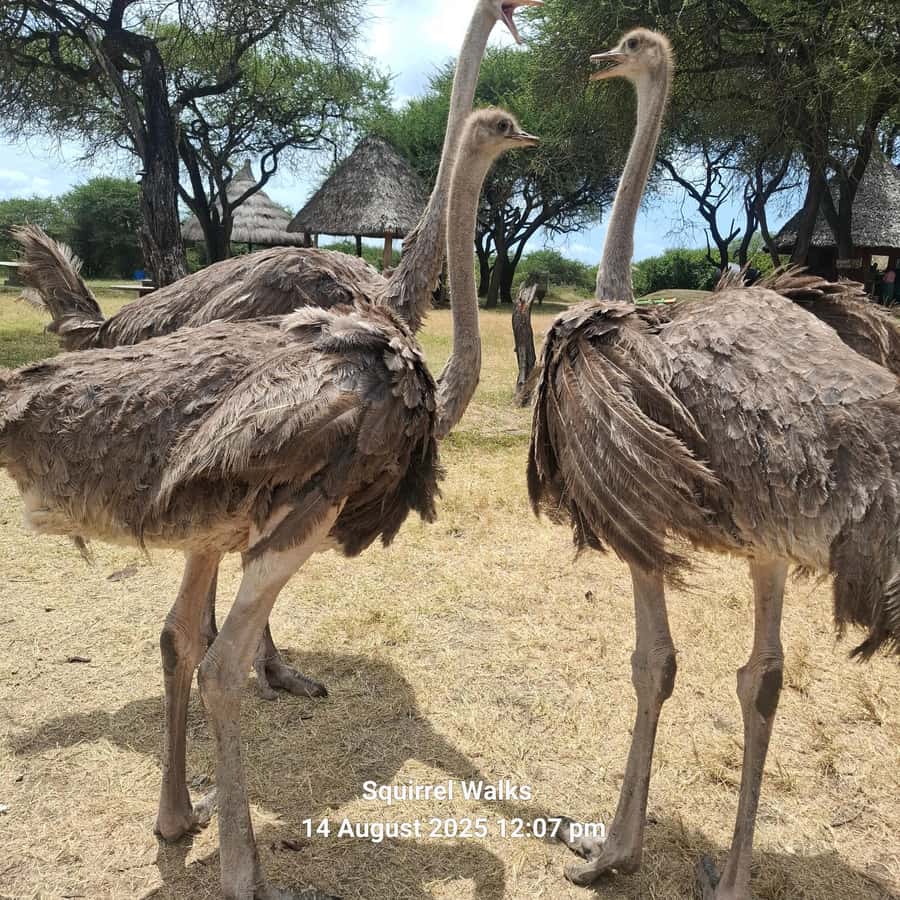
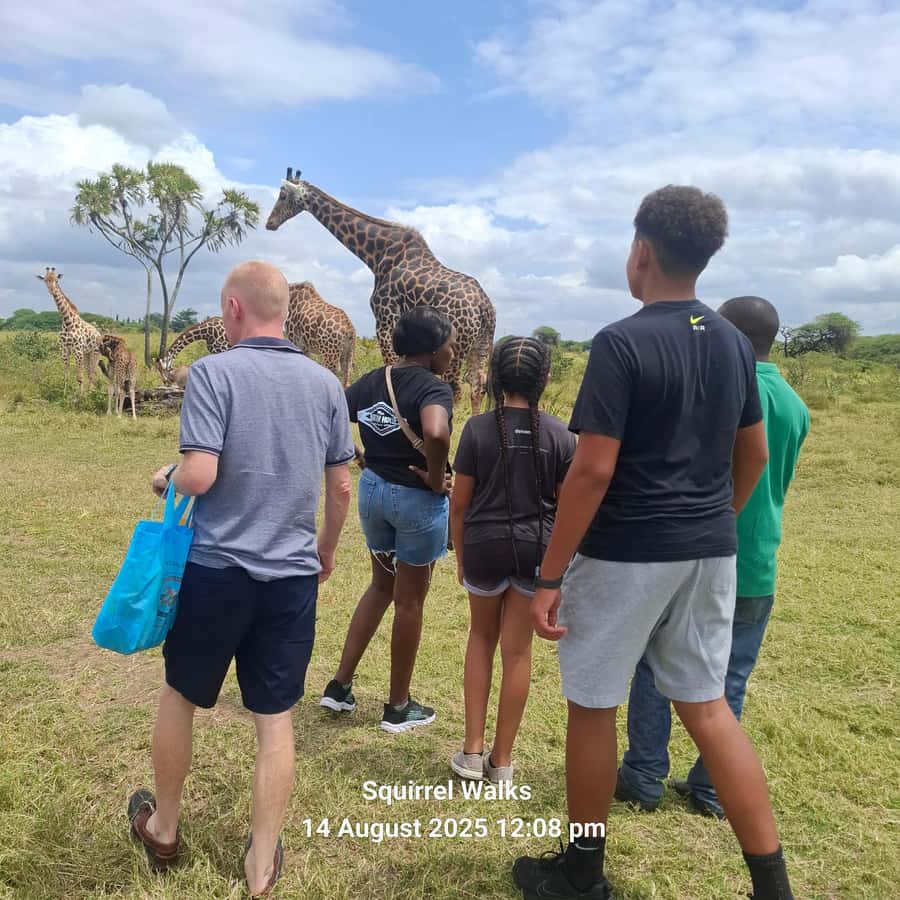
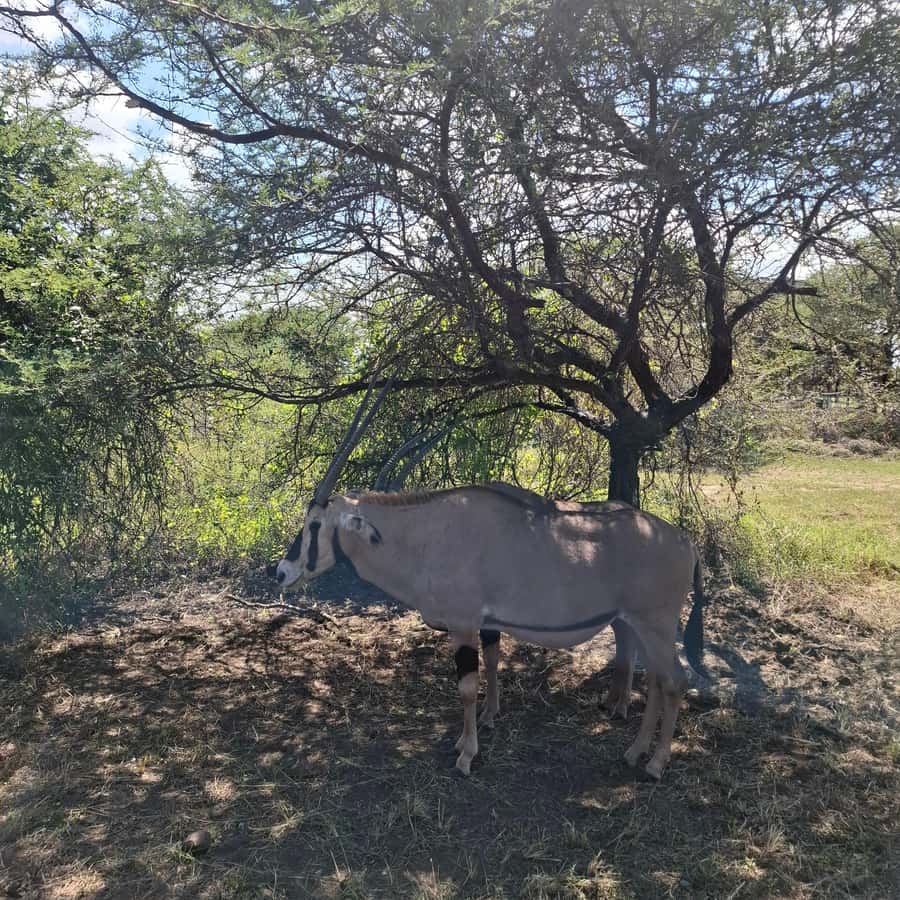
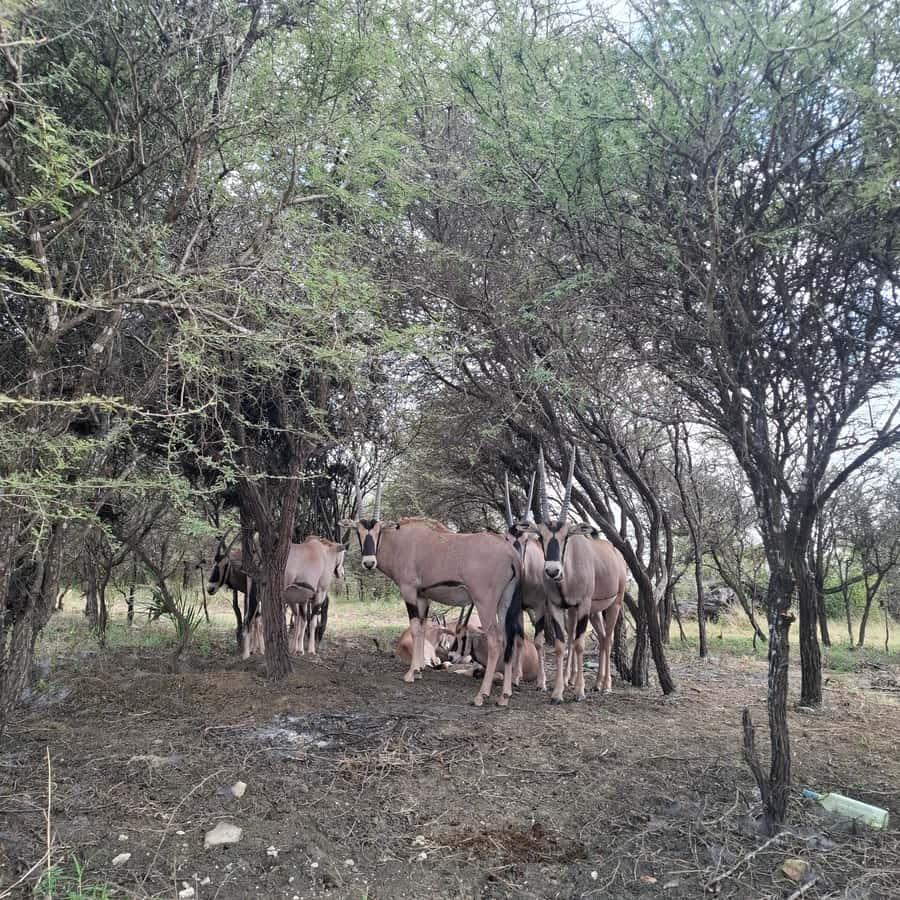
For you, the practical highlight is the chance to walk near giraffes, ostriches, and antelopes. The description also refers to wildlife in close proximity, including opportunities to observe animals while walking or seated. That makes the stop feel more personal than a standard drive-by safari.
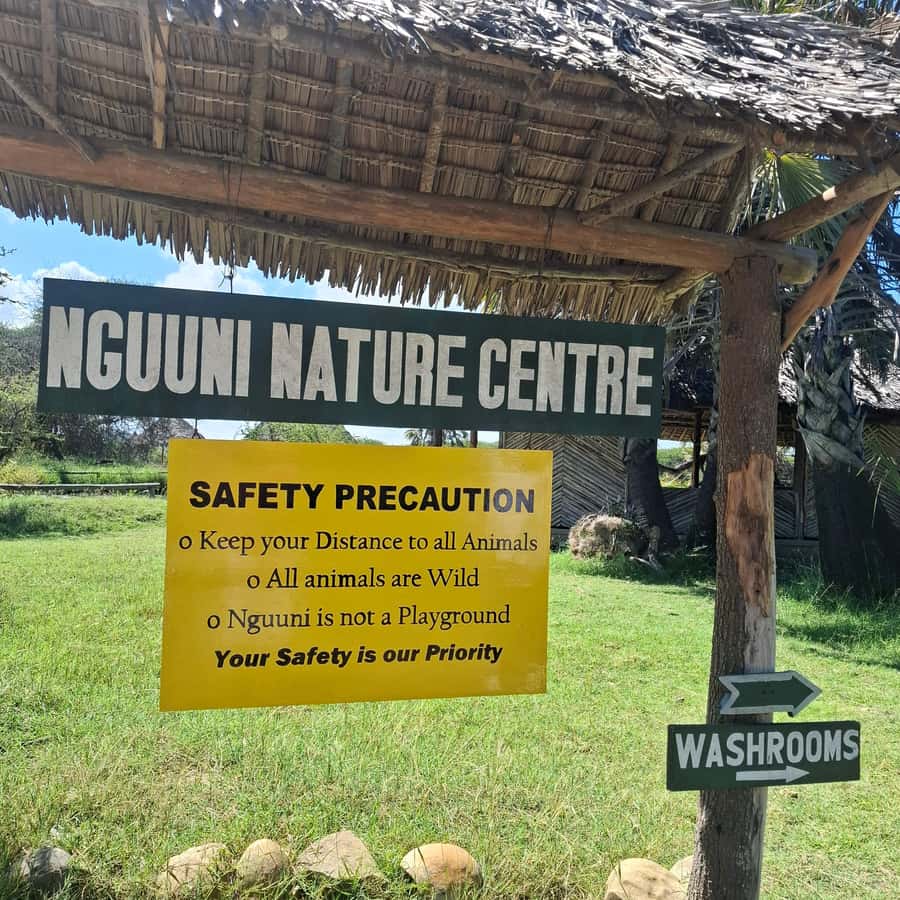
You must still treat the animals with care. Riding animals is not allowed, and the sanctuary rules prohibit feeding or disruptive behavior if those restrictions are posted on site. Keep noise down, follow the guide, and do not assume that close means touchable.
Nguuni entry is not included in the $40 price. The current admission charge is not supplied, so confirm it before booking. You should also bring water. The open setting and tropical heat can make even a gentle nature walk tiring.
What the guide adds to the day
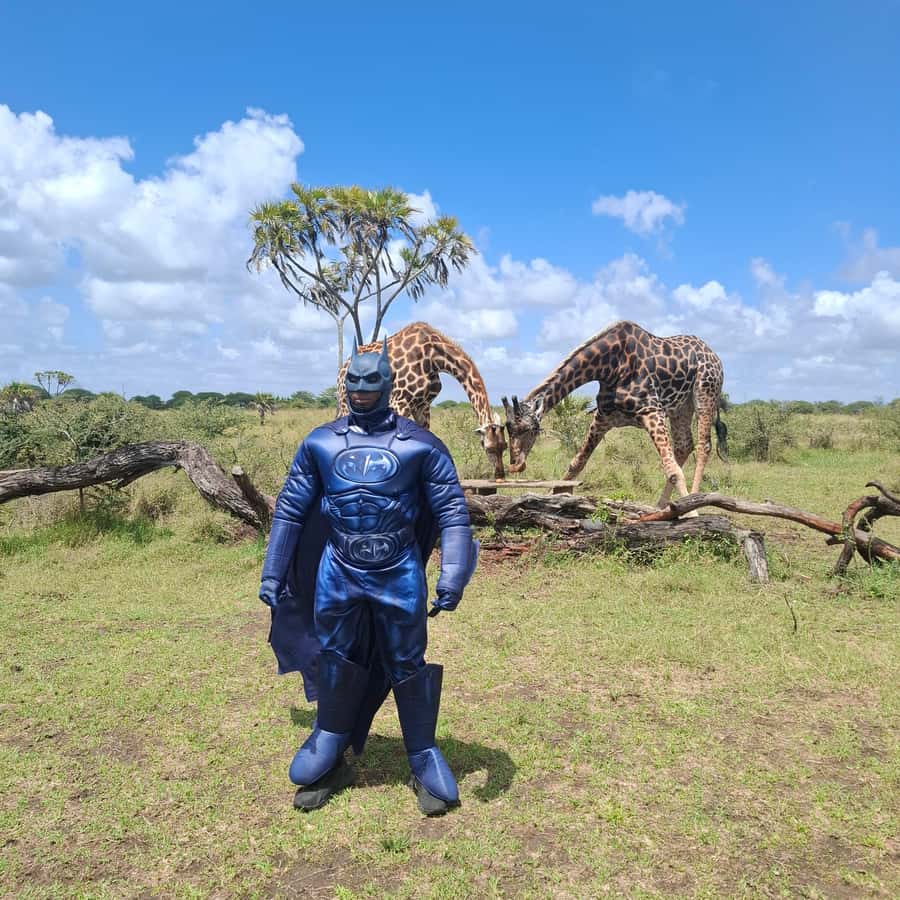
The guide can make or break a tour that covers this much ground. Here, the strongest part of the experience is the explanation given at Fort Jesus and in Old Town.
John David Mwangi Irungu is described as careful with historical details and generous with his time. One solo participant had a particularly well-integrated day and received help with photos and videos. That is useful if you are alone, since you do not need to choose between enjoying the moment and trying to frame every picture yourself.
The pace also matters. The tour is not designed as a quick checklist. John has been described as taking time to explain places without hurrying the group along. That suits Old Town, where the best details are often small: a doorway, a balcony, a market stall, or a religious building.
The experience can feel almost private when numbers are low. Group size is not specified, so I would not book expecting a guaranteed private tour. Still, the personal attention described here is one of the strongest reasons to choose this outing over a self-guided route.
Food, walking, and what to bring
Afternoon departures include Swahili coffee or Swahili chai. It is a small addition, but a good one. A local tea break gives the day a cultural touch without turning the tour into a food-focused excursion.
You should wear comfortable walking shoes. High heels are specifically unsuitable, and loose or ripped clothing is not allowed. Bring a hat, sunscreen, water, and a camera. Flash photography may be restricted at some sites.
Smoking indoors, alcohol, drugs, intoxication, littering, loud noise, fires, nudity, and riding animals are prohibited. These rules matter most at the sanctuary and historical sites, where respectful conduct protects both the places and the animals.
The tour is listed as unsuitable for people over 70. That may reflect the heat, walking, uneven streets, and length of the day. If mobility or stamina is a concern, ask the provider for more detail before booking.
Is $40 good value?
At $40 per person, the tour offers a useful amount of coverage. You get pickup to the sites, a local English-speaking guide, Fort Jesus, Old Town, the spice market, Shiva Temple, the city center, the Elephant Tusks, and Nguuni Nature Sanctuary.
The value is strongest if you want one organized day rather than several separate bookings. You also avoid having to work out the order of sites yourself, and you gain historical explanations that are hard to get from a quick independent visit.
The price needs careful reading. Fort Jesus admission is extra. Nguuni admission is extra. Transport back to your hotel is also excluded. The tour includes pickup transportation to the sites, but not the return journey, so ask where the day ends and plan that cost in advance.
If you choose an afternoon departure, tea or coffee is included. That is a nice bonus, but it should not be the main reason you book. The real value is the combination of city history and close wildlife viewing.
Who should book this experience?
I would recommend the full-day tour to first-time visitors who want a broad introduction to Mombasa. It suits you especially well if you enjoy history but also want time outdoors and a chance to see wildlife at close range.
It is a good match for solo visitors, couples, and small groups who prefer a guide’s help with photos, navigation, and background information. The tour also works for anyone who wants more local texture than a simple hotel-to-attraction transfer.
I would be cautious if you dislike heat, walking, uneven streets, or open-air wildlife areas. It is also not a good fit if you want every cost included in one upfront price. People over 70 should check the physical demands carefully, since the experience is listed as unsuitable for that age group.
If your schedule is tight, choose the full day. One five-star assessment specifically advised against the half-day option because Mombasa deserves more time. That is sound advice: Fort Jesus, Old Town, and Nguuni each offer a different experience, and cutting the day short removes much of the point.
Final verdict: a strong city and wildlife pairing
You should book this tour if you want to see Mombasa’s main historical sights and nearby wildlife in one day, with a guide who takes time to explain what you are seeing. The 4.8 rating from five assessments reflects strong satisfaction with the guide, the Old Town walk, the wildlife encounter, and the relaxed pace.
You should skip it if you want a low-cost, completely self-contained package, since admission fees and the return ride are separate. For most first-time visitors, though, the combination is well chosen. Fort Jesus gives you the story, Old Town gives you daily life, and Nguuni gives you a memorable close look at Kenya’s wildlife.
FAQ
What does the Mombasa tour include?
The tour includes guided visits to Fort Jesus, Mombasa Old Town, the spice market, Shiva Temple, the city center, the Elephant Tusks monuments, and Nguuni Nature Sanctuary. Pickup transportation to the tour sites is included.
Are Fort Jesus and Nguuni Nature Sanctuary entry fees included?
No. Entry to Fort Jesus and Nguuni Nature Sanctuary must be paid separately.
Is transportation back to my hotel included?
No. Pickup transportation to the tour sites is available, but transportation back to your hotel is not included.
What animals can I see at Nguuni Nature Sanctuary?
The sanctuary is home to giraffes, ostriches, antelopes, buffaloes, crocodiles, vervet monkeys, birds, insects, and other smaller mammals.
Is the tour available in English?
Yes. English is the listed tour language.
Does the tour include food or drinks?
Afternoon tours include Swahili coffee or Swahili chai. No other meal is specified.
What should I bring?
Bring comfortable walking shoes, a hat, sunscreen, water, and a camera. Flash photography may be restricted at some sites.
Can I cancel the booking?
You can cancel up to 24 hours in advance for a full refund. The tour also allows you to reserve and pay later, according to the supplied booking information.
Just added in Mombasa
- 4-Day Tsavo East West and Amboseli National Park from Mombasa★ 4.0 · 5 reviews
- 1-Day Tsavo East Safari From Mombasa★ 5.0 · 3 reviews
- Tsavo East National Park 2 days Voi Safari Lodge from Mombasa.★ 5.0 · 2 reviews
- 4×4 Safari in Tsavo East National Park★ 5.0 · 4 reviews
- 4 Days Mount Kenya Trekking★ 5.0 · 6 reviews
- Private Transfer from Mombasa★ 5.0 · 6 reviews
- Swahili Street Food Tour★ 5.0 · 7 reviews
- Fort Jesus Sound and Light show Mombasa★ 4.0 · 17 reviews
Fort Jesus Tours, compared.
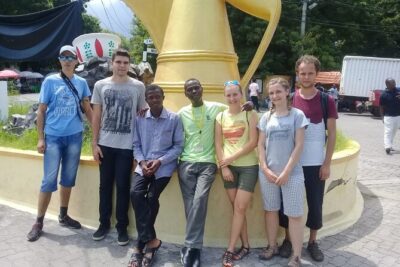
Walking Tour Through Old Town Mombasa and Fort Jesus
Read our review →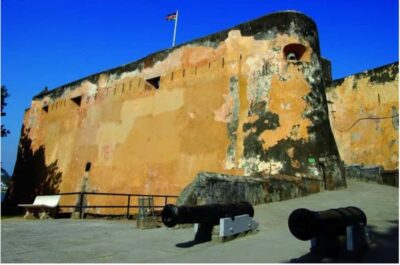
Tusks, Fort Jesus, Old Town, Beach and City Tour
Read our review →
Private City Tour with Fort Jesus & Haller Park
Read our review →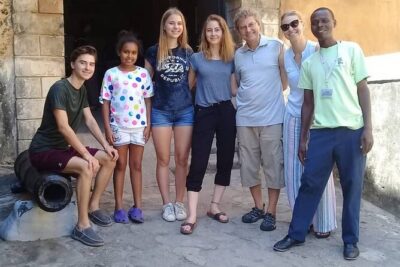
Mombasa Half-Day City Tour with Fort Jesus and Haller Park
Read our review →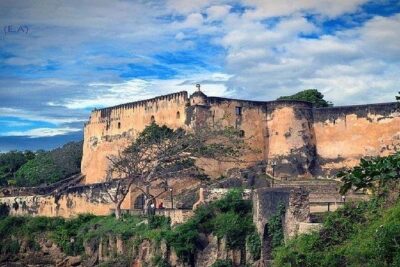
Mombasa City Tour,Fortjesus,Oldtown,Tusks and Spice Market.
Read our review →Browse the lists this tour appears in