
Reviewed · MAASAI MARA TOURS
Masai Mara: 4-day safari for the great wildebeest migration
The river crossing is never guaranteed. That uncertainty is part of what makes this four-day Masai Mara safari interesting. You spend enough time in the reserve to look for wildebeest, predators, and the rest of the Big Five, while two full days give you a better chance of catching migration activity.
I like the two full safari days and the open-roof Land Cruiser 4×4, which gives you a useful view when animals appear. I also like the added Rift Valley viewpoint on the drive from Nairobi. The main drawback is cost: the $565 tour price does not include park fees, which can add $300 or $600 per person depending on the stated travel period.
Edwin is named as a helpful point of contact, while Peter, Patrick, and Isaac are praised for being friendly drivers. That personal touch matters on a safari, where a calm driver and clear communication can make long hours in the vehicle much easier.
In This Review
- Key Details Before You Book
- Why the July to October Migration Matters
- Day One: Nairobi, the Great Rift Valley, and the Mara
- Days Two and Three: Two Full Days Among the Herds
- What You Might See Beyond the Wildebeest
- The Real Cost: $565 Plus Park Fees
- Transport, Comfort, and Daily Practicalities
- How the Optional Maasai Village Visit Fits In
- Who Will Get the Most From This Safari
- Booking Advice and Flexible Cancellation
- Should You Book the Four-Day Masai Mara Safari?
- FAQ
- How long is the Masai Mara safari?
- Where does the safari begin and end?
- When is the best time for the wildebeest migration safari?
- Are park tickets included in the $565 price?
- How much are the listed Masai Mara park fees?
- Is the Mara River crossing guaranteed?
- What vehicle is used?
- Is a guide included?
- Are accommodation and meals included?
- What optional activities are available?
Key Details Before You Book
- Migration season runs from July through October, the period advertised as best for game viewing and predator-prey encounters.
- Two full days in Masai Mara National Reserve give you more time than a quick overnight visit, though no operator can promise a river crossing.
- The $565 price excludes park tickets, listed as $300 per person for January 1 through June 30, 2024, and $600 per person for July 1 through December 31, 2024.
- Transport is in a Land Cruiser 4×4 with a drop-down roof, with a professional English-speaking driver-guide.
- The trip includes Nairobi pickup and return, accommodation, meals on safari, and drinking water.
- Optional extras cost more, including a hot-air balloon safari at $540 per person and a Maasai village visit at $20 per person.
Why the July to October Migration Matters
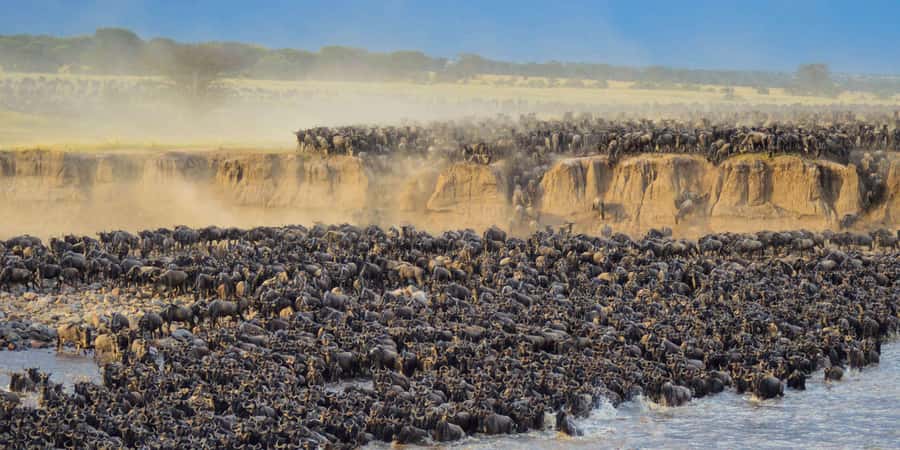
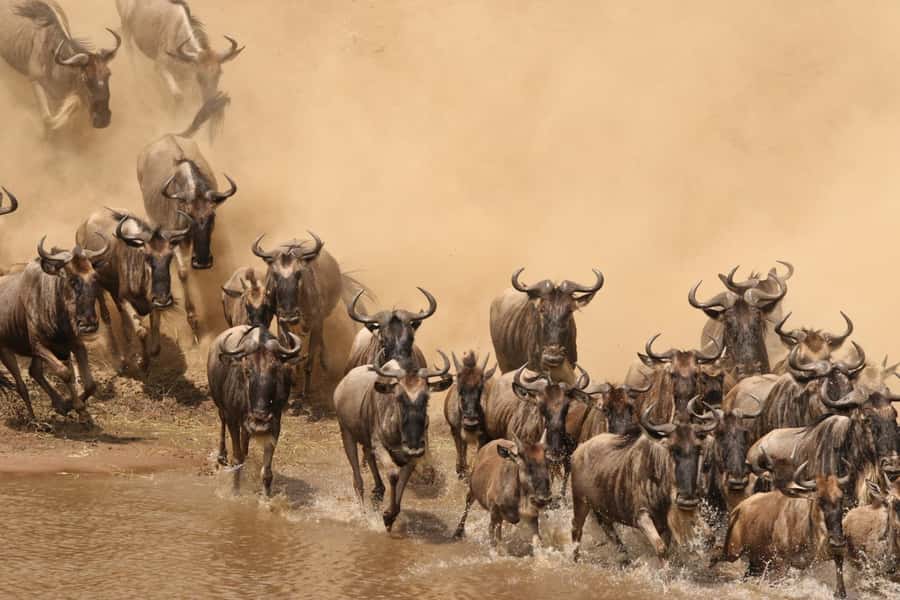
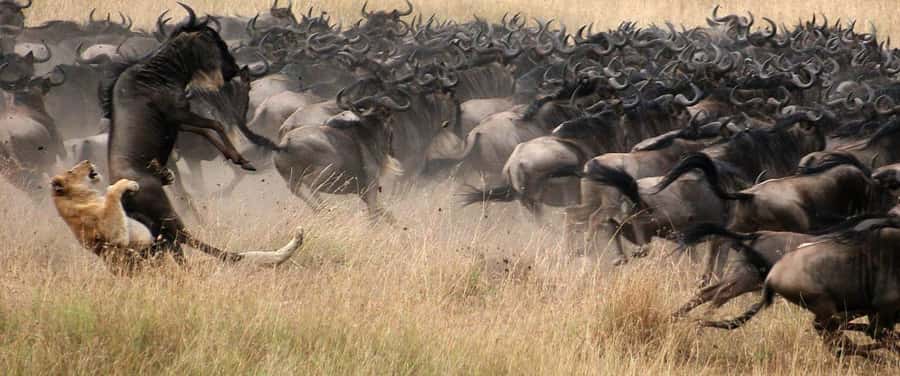
The Masai Mara is part of the yearly route taken by huge herds of wildebeest. From July to October, many animals move into the Mara area, bringing predators close behind. That concentration of animals is why this season is often considered the best time to visit.
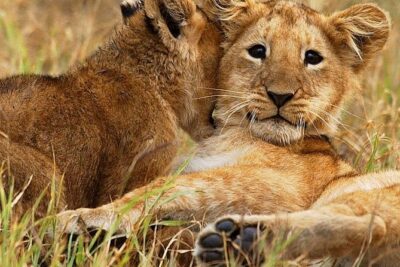
You are not simply looking at one species. The migration creates a chain of action. Wildebeest and other grazing animals gather in large numbers, while big cats and crocodiles take advantage of the opportunity. The reserve is also known for its large population of big cats, so you have a chance to look for lions, cheetahs, and leopards during regular game drives.
The famous Mara River crossing is the scene many people hope to see. It can include strong currents, crowded riverbanks, and Nile crocodiles. Yet the timing is controlled by the animals, not the tour company. A four-day schedule improves your odds, but it cannot turn nature into a stage show.
That is an important point to keep in mind. You may spend long periods watching ordinary grazing or waiting for movement. Those quiet stretches are part of a real safari. If you need guaranteed action every hour, this is probably not the right kind of trip.
More Maasai Mara safaris:
- 3 Days Masai Mara Group Joining
★ 5.0 · 486 reviews - 5 Days Masai Mara, Lake Nakuru & Naivasha Budget Joining Safari
★ 5.0 · 229 reviews - 3 Days Gamedrive Safari In Masai Mara From Nairobi
★ 5.0 · 207 reviews
Day One: Nairobi, the Great Rift Valley, and the Mara
The first day begins after breakfast in Nairobi. You then drive toward the Masai Mara, crossing the floor of the Great Rift Valley. This is a long transfer, but it is not just dead time.
A stop at the Great Rift Valley lookout gives you a broad view of lakes, plains, and volcanic terrain. It is a useful break from the vehicle and an early introduction to the scale of central Kenya. Have your camera ready, but also give yourself a few minutes simply to look. The view helps explain why the drive feels so spacious and why the Mara is such a dramatic setting for wildlife.
The route also includes a stop in Narok, a Maasai town. This gives you time to stretch your legs before the final part of the drive. The schedule does not specify how long the stop lasts, so do not plan a separate shopping or cultural program around it.
You are expected to reach your lodge or camp in time for lunch, followed by an afternoon game drive. This first drive is valuable because it lets you begin learning the reserve before your two full days. You may start to understand how the grasslands, river areas, and open plains affect animal sightings.
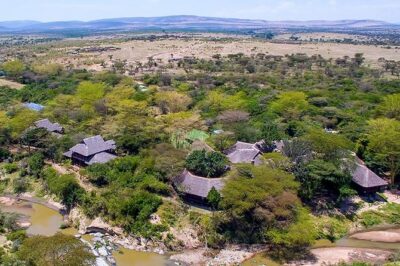
Accommodation and dinner are included at a lodge or camp. The exact property is not specified, so check the accommodation category before paying if room style, location, or facilities matter to you. A lodge or camp can mean different levels of comfort, and the price alone does not tell you which one you will receive.
Days Two and Three: Two Full Days Among the Herds
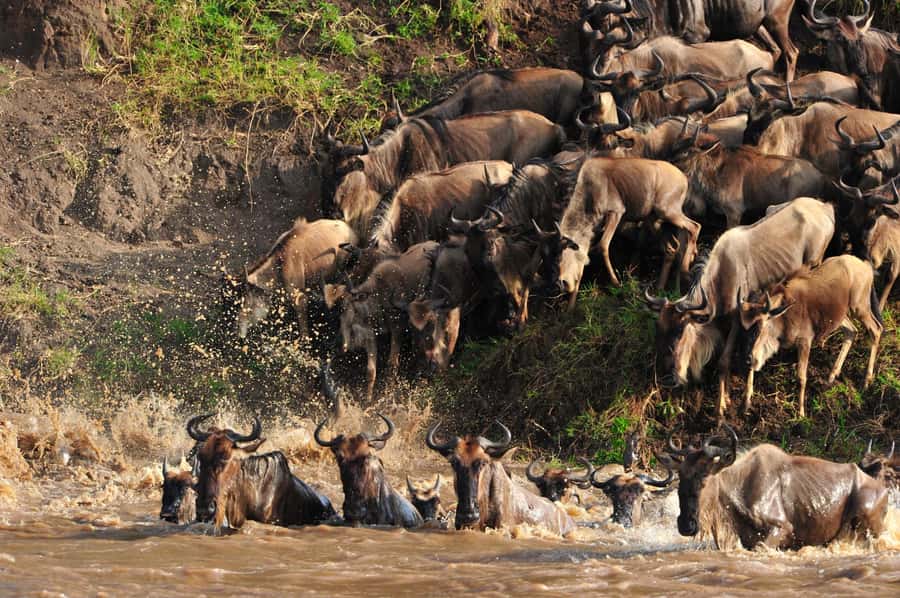
The heart of the trip is the pair of full days in Masai Mara National Reserve. This is where the schedule earns its keep. Migration activity changes from year to year, and even during the right season, the herds may be far from the river or moving in a direction you did not expect.
Two full days allow your driver-guide to keep looking without forcing the entire safari into one morning. You can spend time seeking out the wildebeest herds, then turn your attention to other wildlife. Since the Mara is known for big cats and other thriving wildlife, these days are not wasted if a river crossing does not happen.
The stated focus is the possible Mara River crossing. The spectacle can be dramatic, but it also involves waiting. You may see animals approach the river and retreat, or a crossing may happen in a different area. Strong currents and crocodiles make the event dangerous for the wildebeest, which is why the animals do not follow a neat timetable.
I appreciate that the program includes an extra full day rather than promising a single perfect crossing. That is a more sensible design for a wildlife trip. Still, you should treat the crossing as a possible bonus, not the sole reason to book.
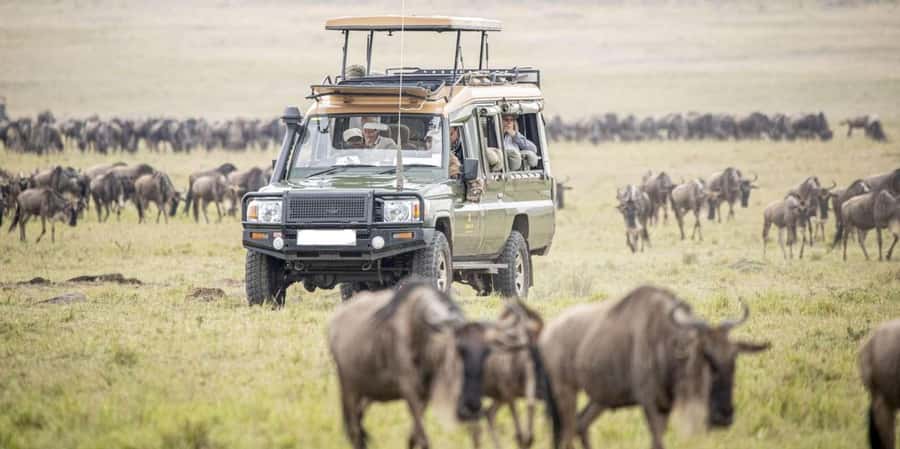
The vehicle is a Land Cruiser 4×4 with a drop-down roof. That design lets you look upward and outward more easily than you could from a fully enclosed vehicle. It also suits long game drives, although any full-day safari means you should be ready for plenty of time seated in the vehicle.
The professional driver-guide is central to the experience. Peter, Patrick, and Isaac are specifically named as friendly drivers, while Edwin is praised for being helpful from beginning to end. Those details suggest that communication and personal service are important parts of the operation. Before departure, use that contact point to confirm pickup details, accommodation, the park fee calculation, and the exact dates for your safari.
Meals on safari and drinking water are included. That removes two practical chores during long days. Even so, ask what meals are provided and how water is supplied if you have dietary needs or prefer a particular bottle size. The information confirms meals and water, but not menus or quantities.
What You Might See Beyond the Wildebeest
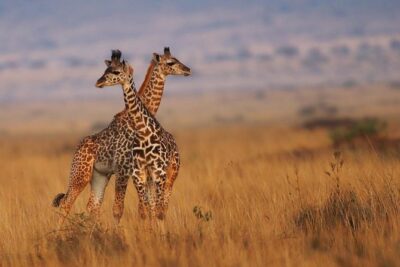
The migration is the headline, but the Masai Mara is more than a crossing point. It is known for its large big-cat population and a broad range of wildlife. The safari is also presented as a way to learn more about animals, not just photograph them.
Your driver-guide can help put animal behavior into context while you watch. A predator-prey encounter may be quick, while a herd feeding across the plains may last much longer. Both are useful sightings because they show different parts of life in the reserve.
The phrase Big Five safari is used for this experience, but it should not be read as a guarantee that you will see every one of the Big Five. Wildlife sightings depend on timing, animal movement, and luck. The sensible reason to book is the chance to see a wide range of animals in a famous reserve, with the migration adding a seasonal focus.
The schedule also calls Masai Mara one of the world’s seven wildlife wonders. The wording is promotional, but the basic point is sound: this is one of Kenya’s best-known wildlife areas, and the July to October period can bring an unusual concentration of animals.
A few more options to weigh up in Nairobi
- Nairobi National Park Half-Day Tour; Free Wi-Fi connection
★ 5.0 · 878 reviews - Nairobi: National Park & Optional Elephants & Giraffe Center
★ 4.8 · 874 reviews - NAI NAMI: Nairobi Storytelling Tour with Street Children
★ 5.0 · 792 reviews - Nairobi National Park Half-Day Game Drive
★ 4.5 · 738 reviews
The Real Cost: $565 Plus Park Fees
The advertised tour price is $565 per person. That includes a great deal: pickup and return to Nairobi, accommodation, transport, a driver-guide, meals on safari, and drinking water.
The price becomes less simple once park admission is added. The listed fees are:
- $300 per person for three Masai Mara tickets from January 1 through June 30, 2024
- $600 per person for three Masai Mara tickets from July 1 through December 31, 2024
That makes the stated total $865 per person in the first period or $1,165 per person in the second period, before optional activities. Because the supplied fee dates are for 2024, you should confirm the current park charges before booking. Also confirm exactly how the three tickets apply to your four-day schedule.
The July to October migration period falls into the higher fee category shown here. That matters because the season many people want is also the period with the larger listed park charge. At $1,165 before extras, this is not a budget safari, though it may still be fair value if the accommodation, transport, and guide service match your expectations.
The hot-air balloon option costs $540 per person. That is nearly as much as the base safari, so treat it as a major upgrade rather than a small add-on. A Maasai village visit costs $20 per person and is much easier to fit into the budget, but ask what the visit includes before deciding.
Transport, Comfort, and Daily Practicalities
The journey starts and ends in Nairobi, which is convenient if your wider Kenya plans begin or finish there. Pickup and return are included, so you do not need to arrange separate transfers for the main trip.
The Land Cruiser 4×4 is the right type of vehicle for a reserve safari. The drop-down roof improves visibility, particularly when you are looking for animals above the vehicle or trying to see across open ground. The information does not state the group size, seat layout, or whether every passenger has a window seat, so ask if those details affect your comfort.
The driving distances are part of the experience. Day one includes the trip from Nairobi through the Rift Valley and Narok, while day four returns you to Nairobi after breakfast. This leaves the middle two days for safari rather than using one of them as a transfer day.
Accommodation is included, but the property is described only as a lodge or camp. If you want a specific room standard, location, or type of camp, request that information in writing. The same applies to meal arrangements. The basic package covers meals on safari, but it does not specify whether drinks beyond the supplied water are included.
English is the stated tour language, and the activity includes a live English-speaking guide. That should suit you if you want explanations during drives and do not need interpretation in another language.
How the Optional Maasai Village Visit Fits In
The optional Maasai village visit costs $20 per person. It gives you a way to add a cultural stop to a trip otherwise focused on wildlife. Since the available information does not explain the length, activities, or exact location of the visit, ask what you will actually do before adding it.
A low price does not automatically explain the quality of a cultural encounter. I would want to know whether the visit includes a guided introduction, time with residents, or a set performance. Clear details help you decide if it matches the kind of local contact you want.
The village visit is separate from the main safari, so you can skip it and keep your attention on the reserve. That flexibility is useful if wildlife is your only priority or if you want to keep extra costs down.
Who Will Get the Most From This Safari
This trip suits you if the migration is a major travel goal and you want more than a single day in the reserve. Two full days increase your chance of finding the herds and allow time for ordinary game viewing if the river remains quiet.
It also suits first-time safari visitors who want a package with transport, lodging, meals, water, and a driver-guide arranged together. The English-language format is straightforward, and Nairobi pickup makes the starting point simple.
You should think carefully if you are watching your budget. The $565 headline figure is not the full cost during the stated migration season. Once the $600 park fee is added, the total is more than double the advertised base price.
This is also not ideal if you need a fixed timetable of animal sightings. No matter how good the guide or how well chosen the dates, the crossing may not happen during your stay. You need patience and a willingness to value the whole reserve, not only one dramatic moment.
Booking Advice and Flexible Cancellation
The activity allows free cancellation up to 24 hours before the start time for a full refund. It also offers reserve now and pay later, so you can hold a place without paying immediately. Those terms are useful when you are coordinating flights, hotel nights, or other Kenya plans.
Starting times are subject to availability. Confirm the pickup hour, especially if you are staying in Nairobi for only one night before the safari. You should also confirm the return timing on day four if you have an afternoon flight or another scheduled activity.
Before you commit, ask for the current park fee, the accommodation name, the group size, and the exact vehicle arrangement. These details will tell you much more about the value than the base price alone.
Should You Book the Four-Day Masai Mara Safari?
I would book this experience if you want a focused migration safari from Nairobi and accept that nature sets the schedule. The two full days in the Mara are the strongest feature, and the included 4×4 transport, accommodation, meals, water, and guide make planning easier.
I would not book it based only on the promise of a river crossing. Instead, book it for the wider chance to see wildebeest, big cats, and other wildlife during the July to October season. Budget for the park fee first, then decide if the final price still works for you.
The named team members, especially Edwin, Peter, Patrick, and Isaac, add a reassuring personal element. If current fees and accommodation details check out, this looks like a practical choice for a first Masai Mara safari with a serious chance of migration sightings, but no artificial promises.
FAQ
How long is the Masai Mara safari?
The safari lasts four days.
Where does the safari begin and end?
It begins with pickup in Nairobi and returns to Nairobi on day four.
When is the best time for the wildebeest migration safari?
The stated migration season runs from July through October.
Are park tickets included in the $565 price?
No. Park tickets are listed separately from the $565 per-person tour price.
How much are the listed Masai Mara park fees?
The stated fee is $300 per person for January 1 through June 30, 2024, and $600 per person for July 1 through December 31, 2024. Confirm current charges before booking.
Is the Mara River crossing guaranteed?
No. The crossing depends on wildebeest movement, timing, currents, and other natural conditions.
What vehicle is used?
Transport is provided in a Land Cruiser 4×4 with a drop-down roof.
Is a guide included?
Yes. A professional English-speaking driver-guide is included.
Are accommodation and meals included?
Yes. Accommodation and meals on safari are included, along with a drinking water bottle.
What optional activities are available?
A hot-air balloon safari costs $540 per person, and a Maasai village visit costs $20 per person.
Just added in Nairobi
- Wildlife Capital: Half-Day Safari at Nairobi National Park★ 5.0 · 2 reviews
- 3 days maasai mara migration safari★ 4.5 · 7 reviews
- 4 Days Tour Landcruiser in Masai Mara and Lake Nakuru★ 5.0 · 10 reviews
- 4 Days Safari to Lake Nakuru N/P and Maasai Mara N/R★ 5.0 · 18 reviews
- Day Tour to Nairobi national park, Elephants, and Giraffe Center★ 3.5 · 8 reviews
- 6 Days Kenya Budget Group Safari★ 5.0 · 2 reviews
- Maasai Mara Day Trip★ 5.0 · 15 reviews
- 3 Days Masai Mara Wildebeest migration Budget safari★ 5.0 · 2 reviews
Maasai Mara Tours, compared.
5 Days Masai Mara, Lake Nakuru & Naivasha Budget Joining Safari
Read our review →
3 Days Gamedrive Safari In Masai Mara From Nairobi
Read our review →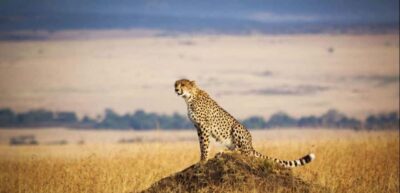
3 days group joining safari to Maasai Mara with a Land Cruiser Jeep
Read our review →Browse the lists this tour appears in