Reviewed · SAFARI
Kenya Tanzania Herdtracker Migration Safari – 08 Days
The Great Migration rewards patience. This eight-day private safari links Kenya’s Maasai Mara with Tanzania’s Serengeti, Ngorongoro Crater, and Tarangire National Park, giving you a broad look at East Africa’s wildlife in one carefully packed trip. I like the private vehicle and guide, since your group can focus on the animals and set a pace that suits you. I also like the mix of famous parks and local culture, especially the Mto wa Mbu visit.
The main drawback is the amount of time spent on the road. Crossing from the Mara into Tanzania and reaching three major parks in eight days makes this an active schedule, not a slow, leisurely safari. The migration also moves with the seasons, so you should confirm the expected herd location before paying the $5,450 per person price.
In This Review
- Key details before you book
- Nairobi to Maasai Mara, with the Great Rift Valley first
- A full day in Maasai Mara
- Crossing into Tanzania at Sirare
- Following the herds through Serengeti
- Moru Kopjes and the Seronera River
- Ngorongoro Crater, a concentrated wildlife day
- Mto wa Mbu and the road to Tarangire
- Tarangire’s elephants and baobabs
- What the $5,450 price includes
- Who will enjoy this safari most
- Practical details that matter
- FAQ
- Where does the safari start and finish?
- How long is the Kenya Tanzania Herdtracker Safari?
- Is this a private tour?
- Are meals included?
- Are park fees and taxes included?
- Can I cancel for a full refund?
- Should you book it?
Key details before you book
- Four major wildlife areas: Visit Maasai Mara, Serengeti, Ngorongoro Crater, and Tarangire National Park.
- Private touring: Only your group takes part, with private transportation throughout.
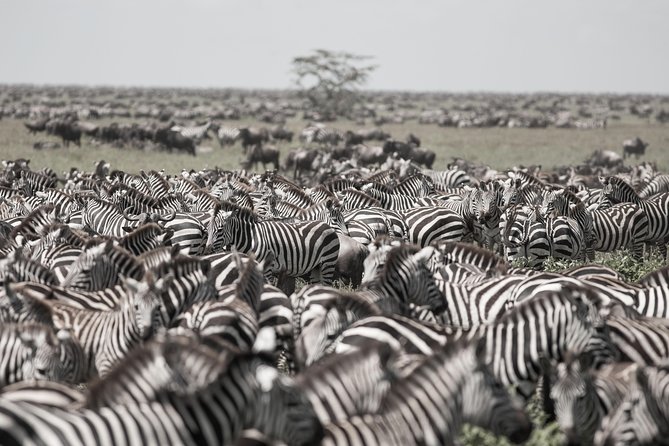
- Migration focus: The route follows the wildebeest and zebra movement between the Serengeti and Maasai Mara ecosystem.
- A real border crossing: Day three includes immigration and visa formalities at Sirare before continuing into Tanzania.
- Cultural stop in Mto wa Mbu: See local markets, banana beer production, traditional food, and Makonde carving.
- Flexible starting point, fixed ending point: Pickup is offered in Nairobi, while the listed finish is Arusha Airport.
Nairobi to Maasai Mara, with the Great Rift Valley first
Your safari begins in Nairobi, with pickup listed from the Sarit Centre on Karuna Road. The schedule gives a start time of 8:00 a.m., while the first day’s description says pickup is at 7:00 a.m. Confirm this detail before the morning of departure. A small timing mismatch matters when you have a long drive ahead.
The route heads through the Great Rift Valley, with a short stop at the viewpoint. This is a worthwhile opening scene rather than a throwaway roadside pause. From the high point, the valley stretches far into the distance, and the scale helps explain the geography you will be crossing over the next several days.
You continue through Narok and across open savanna dotted with acacia trees before reaching Maasai Mara in time for lunch. The drive takes about five hours, and the first game viewing begins as you enter the reserve. Since the day combines a long transfer with an afternoon start, do not expect a full day among the animals.
Maasai Mara is known for its large animal population, black-maned lions, and seasonal wildebeest movement. Its position beside Tanzania’s Serengeti makes it part of one connected ecosystem, rather than an isolated park. That connection is the reason this safari can follow the herds across an international border.
A few more options to weigh up in Nairobi
- Nairobi National Park Half-Day Tour; Free Wi-Fi connection
★ 5.0 · 878 reviews - Nairobi: National Park & Optional Elephants & Giraffe Center
★ 4.8 · 874 reviews - NAI NAMI: Nairobi Storytelling Tour with Street Children
★ 5.0 · 792 reviews
A full day in Maasai Mara
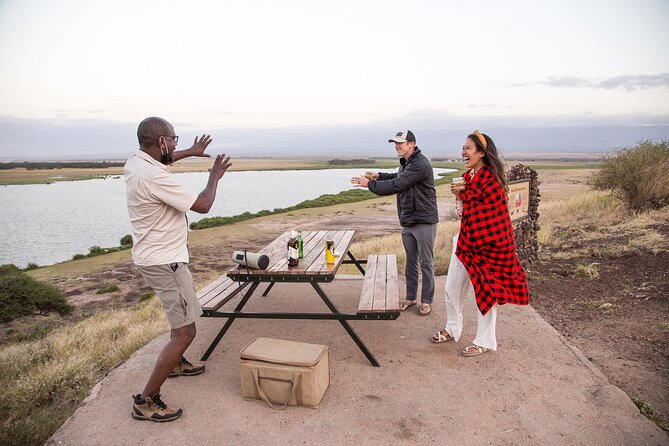
Day two gives you the kind of time the first day cannot. After breakfast, you spend about seven hours on game drives inside the reserve, with the Mara River and the open plains providing the main setting.
The river is central to the migration story. Wildebeest, zebra, and gazelle move between the Serengeti and Maasai Mara, facing predators and the crocodiles that wait in the river. Seeing a crossing is never something a schedule can guarantee, but the route places you in the right region for this famous seasonal event.
I like that this day is not overloaded with another transfer. A full day lets your guide search for the Big Five and other plains animals without constantly watching the clock. The area is also associated with lions with dark manes, an appealing detail for photographers and anyone hoping to see a pride at close range.
The practical catch is that migration timing matters greatly. The herd may be in a different part of the ecosystem when you arrive. Ask the operator where the wildebeest are expected to be during your travel dates, particularly because the later Serengeti days describe movement toward western and southern areas and the Ndutu region.
Crossing into Tanzania at Sirare
Day three is the logistical hinge of the safari. After an early breakfast, you leave the Mara with a packed lunch, drive toward the Olololo Escarpment, and continue to the Kenya Tanzania border at Sirare.
At the border, you complete immigration and visa formalities and meet the Tanzanian guide. The handover is important because the tour uses a guide from Tanzania for the next portion. You then continue toward the Serengeti, with an afternoon game drive on the way into the park.
This is a long travel day, even though the listed activity time is about three hours. Border procedures, changing vehicles or guides, and the drive toward northern Serengeti all take time. Keep your documents easy to reach and expect the day to feel more like a transfer with wildlife viewing than a full park outing.
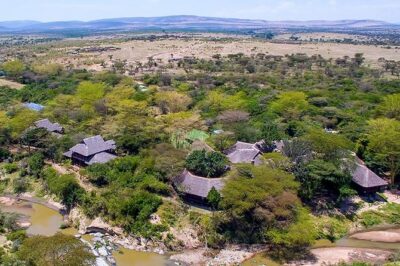
The reward is the change in scenery and the chance to enter northern Serengeti as the herds gather near the Mara River area. The itinerary places you in the northern section because it is linked to the movement between Kenya and Tanzania. Your overnight location is described as a luxury camp, but the exact camp name is not provided, so ask for that before booking if accommodation style matters to you.
Following the herds through Serengeti
Day four is devoted to Serengeti National Park. You start with breakfast and a morning game drive, then continue tracking the wildebeest as they move toward the western and southern Serengeti and the Ndutu area.
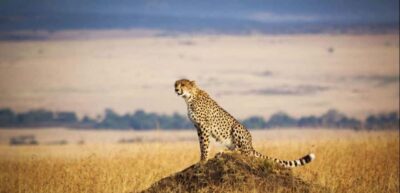
This is also a predator day. The herds attract hyenas, cheetahs, and other hunters, while the riverine forest along the Mara River offers a chance to search for leopards. The route is not limited to one animal, which makes it useful for anyone who wants a wider wildlife picture rather than a single migration photograph.
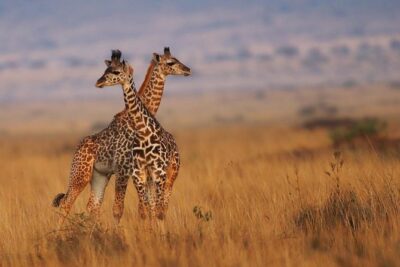
The Serengeti is also known for its birdlife, with more than 500 species listed in the tour description. You might see lovebirds, ostriches, vultures, and kori bustards alongside mammals such as topi, waterbuck, wild dogs, and cheetahs. The safari’s value here comes from time in the field, not from a quick drive through the park.
A full day in the Serengeti can be tiring. Game drives involve long periods in a vehicle, and the schedule keeps you moving in search of animals. Still, this is one of the strongest parts of the trip for wildlife fans because you have three park days in Tanzania rather than only a brief stop.
More safaris in Nairobi:
- Safari Tour; Nairobi National Park
★ 4.5 · 594 reviews - Half-Day Nairobi National Park Safari from Nairobi with Free Pickup
★ 4.5 · 264 reviews - 5 Days Masai Mara, Lake Nakuru & Naivasha Budget Joining Safari
★ 5.0 · 229 reviews - 3 Days Gamedrive Safari In Masai Mara From Nairobi
★ 5.0 · 207 reviews
Moru Kopjes and the Seronera River
Day five shifts toward the Seronera area and the Moru Kopjes. You begin with wildlife viewing while driving south, then follow the Seronera River, an area associated with lions, Thomson gazelles, topi, ostriches, and cheetahs.
Lunch is a picnic beneath large acacia trees near the Serengeti Centre. That simple meal fits the day well. You stay in the park rather than leaving for a restaurant, saving time and keeping the focus on wildlife.
In the afternoon, the drive follows the Kopjes Circuit around the Masai Kopjes. Kopjes are rocky outcrops rising from the plains, and the itinerary points to lions resting or waiting among them. Cobras are also mentioned, so keep your attention on the rocks and listen to your guide’s instructions.
This is an eight-hour game-drive day, the longest listed wildlife day of the safari. It may be a highlight for photographers because the rocky formations give animals a different setting from the open grasslands. It may feel demanding if you prefer short outings and long afternoons at camp. This is an itinerary for people who would rather spend one more hour looking for a lion than return early.
Ngorongoro Crater, a concentrated wildlife day
On day six, you leave the Serengeti after breakfast and drive toward the Ngorongoro Conservation Area. The route includes game viewing along the way before you descend about 600 metres into the crater for a full-day drive.
Ngorongoro Crater is different from the wide Serengeti plains. Its enclosed setting supports a dense concentration of wildlife, with an estimated 30,000 animals and a year-round water supply. The area is known for wildebeest, zebra, buffalo, eland, warthog, hippos, elephants, and some of Tanzania’s remaining black rhinos.
I like this stop because it gives you a strong chance to see many types of animals in one place. You are not relying only on the migration. The crater adds variety and gives the safari a second major wildlife focus after the Serengeti.
The trade-off is another full day in the vehicle. You descend into the crater, spend the day on game drives, and then continue with the wider route. For anyone who wants a gentle schedule, this sequence may feel full. For a first safari, it makes good use of limited time.
Mto wa Mbu and the road to Tarangire
Day seven begins in the Ngorongoro Highlands and continues toward Tarangire National Park. Before entering Tarangire, you stop in Mto wa Mbu for a cultural visit and lunch.
The guided walk takes you through local markets and daily community life. You also visit a banana beer production shop, where you can see how the drink is made and sample it. The stop continues at a Makonde carving shop, where you learn about the carving tradition of people originally from Mozambique.
Lunch is described as traditional and cultural, which gives this day a welcome change from park meals and picnic stops. I like this addition because it connects the safari to people and working communities, not only animals and scenery.
The cultural visit lasts about an hour, so it is an introduction rather than a long community program. You then continue into Tarangire for an afternoon game drive and drive onward to camp. If your main aim is the migration, this day takes you away from the herds. If you want a wider view of Tanzania, it adds a useful human and cultural element.
Tarangire’s elephants and baobabs
The final day includes breakfast and a half-day game drive in Tarangire National Park. The park follows the Tarangire River and includes low hills, acacia woodland, giant baobab trees, and broad swamps in the south.
During Tanzania’s dry season, the river and swamps draw animals from across the surrounding area. Tarangire is especially known for large elephant herds, so this is a strong closing park for anyone who enjoys elephant photography and close wildlife watching.
The itinerary also points to three rare species, though it does not name them. Avoid treating that line as a promise of sightings. The park’s main clear draw here is its elephant population and unusual baobab-filled setting.
Your safari ends at Arusha Airport. That is convenient if you are flying onward, but it also means you need to plan carefully if your trip begins or ends elsewhere. Nairobi is the pickup base, and the tour crosses into Tanzania before finishing in Arusha, so your international flights need to match that one-way route.
What the $5,450 price includes
At $5,450 per person, this is a major purchase. The price needs to be judged against the amount of ground covered and the fact that the experience is private, not a shared group departure.
Included are private transportation, park and other listed fees and taxes, seven breakfasts, seven dinners, and eight lunches. International airfare, visas, alcohol, laundry, and tips are not included. Visa costs deserve special attention because you cross from Kenya into Tanzania on day three.
The food coverage is strong for an eight-day safari. Every lunch is listed, including picnic lunches on transfer and game-drive days, while breakfasts and dinners cover seven nights. Ask exactly where meals are served and what accommodation is included, since the supplied details do not name the camps or lodges.
The private format is the clearest value point. Your group is the only group taking part, and that can make a difference when you want to spend longer with a pride of lions, move on from an empty area, or pause for photographs. The tour is not cheap, but it combines four major wildlife areas, a border crossing, cultural touring, and a dedicated migration route.
Who will enjoy this safari most
I would recommend this trip to a first-time safari visitor who wants Kenya and Tanzania in one journey. You get the Mara, Serengeti, Ngorongoro, and Tarangire without arranging separate vehicles or border logistics yourself.
It also suits photographers and serious wildlife fans who are happy with long days in a safari vehicle. The schedule provides full days in Maasai Mara and Serengeti, plus long drives around Moru Kopjes, Seronera, and Ngorongoro.
Families can benefit from the private setup, especially because the group can share the same vehicle and guide. The available feedback gives particular praise to the friendly, experienced guides, who were credited with finding the Big Five and knowing where to search for animals. Karanja and the Features Africa Journeys team are specifically associated with the warm, professional service described in the supplied comments.
I would hesitate to recommend it to anyone wanting a slow holiday with plenty of free time. Day three is a border and transfer day, days four through six are demanding, and the schedule covers a lot of territory. The reward is breadth, not relaxation.
Practical details that matter
Pickup is offered, with Sarit Centre in Nairobi listed as the starting point. The published start time is 8:00 a.m., but the first-day plan says 7:00 a.m., so confirm the exact collection time and hotel arrangements.
The tour is private, and most people can participate. It is near public transportation, though the main practical transport is the private safari vehicle. Confirmation is provided within 48 hours of booking, subject to availability.
Cancellation terms are strict close to departure. You can receive a full refund if you cancel at least six full days before the start time, while cancellations two to six full days ahead receive 50 percent. Cancellations under two days are not refunded. If the minimum number of people is not met, the operator offers another date or experience, or a full refund.
FAQ
Where does the safari start and finish?
The listed starting point is Sarit Centre on Karuna Road in Nairobi, Kenya. The safari ends at Arusha Airport in Tanzania.
How long is the Kenya Tanzania Herdtracker Safari?
The safari lasts approximately eight days. It includes two days in Maasai Mara, three days connected with Serengeti and its surrounding route, one day in Ngorongoro, and two days in Tarangire and Mto wa Mbu.
Is this a private tour?
Yes. Private transportation is included, and only your group takes part in the activity.
Are meals included?
Yes. The package includes seven breakfasts, seven dinners, and eight lunches. Alcoholic drinks are not included.
Are park fees and taxes included?
Yes. All listed fees and taxes are included. International airfare, visas, laundry, and tips are separate costs.
Can I cancel for a full refund?
You can cancel for a full refund at least six full days before the experience start time. Cancellations two to six full days ahead receive a 50 percent refund, while cancellations less than two days before departure are not refunded.
Should you book it?
Book this safari if you want the major Kenya and Tanzania wildlife highlights in one private trip and you are ready for long days on the road. The strongest reasons are the Mara and Serengeti migration route, experienced guides associated with successful Big Five sightings, and the added contrast of Ngorongoro’s crater and Tarangire’s elephants.
Before committing $5,450, confirm the migration position for your dates, the exact lodges or camps, the pickup time, and the border visa requirements. If those details fit your plans, this is a powerful, wildlife-first itinerary with enough variety to feel like much more than a single-park safari.
Just added in Nairobi
- Wildlife Capital: Half-Day Safari at Nairobi National Park★ 5.0 · 2 reviews
- 3 days maasai mara migration safari★ 4.5 · 7 reviews
- 4 Days Tour Landcruiser in Masai Mara and Lake Nakuru★ 5.0 · 10 reviews
- 4 Days Safari to Lake Nakuru N/P and Maasai Mara N/R★ 5.0 · 18 reviews
- Day Tour to Nairobi national park, Elephants, and Giraffe Center★ 3.5 · 8 reviews
- 6 Days Kenya Budget Group Safari★ 5.0 · 2 reviews
- Maasai Mara Day Trip★ 5.0 · 15 reviews
- 3 Days Masai Mara Wildebeest migration Budget safari★ 5.0 · 2 reviews
Safari, compared.
Half-Day Nairobi National Park Safari from Nairobi with Free Pickup
Read our review →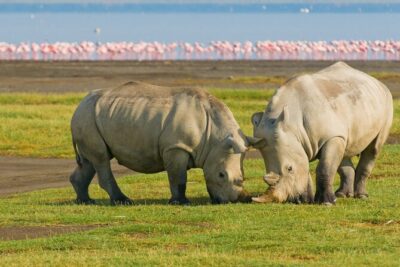
5 Days Masai Mara, Lake Nakuru & Naivasha Budget Joining Safari
Read our review →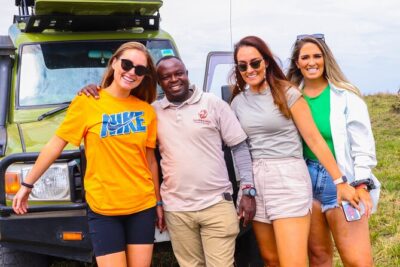
3 Days Gamedrive Safari In Masai Mara From Nairobi
Read our review →