
Reviewed · GUIDED
Kaya Kinondo Sacred Forest Guided Tour
The forest keeps its secrets well. This three-hour visit to Kaya Kinondo Sacred Forest combines a gentle nature walk with an introduction to Digo spiritual traditions, and I like that the forest itself remains the main attraction. I also like the small-group format, limited to eight people, which gives you a better chance to ask questions and hear the guide clearly. The main caution is transport: the tour is designed for Diani hotel pickups, and a poorly organized trip from farther away can turn a 30-minute ride into a very long day.
At $60 per person, the tour includes hotel transfers, entrance fees, water, and a multilingual guide. That is fair value if you want both nature and culture rather than a simple woodland walk. Just keep your expectations realistic about the traditional clothing, which may be only a simple brown cloth around the waist rather than a full costume.
In This Review
- Key points about Kaya Kinondo Sacred Forest
- Reaching Kaya Kinondo from Diani
- The welcome, briefing, and traditional clothing
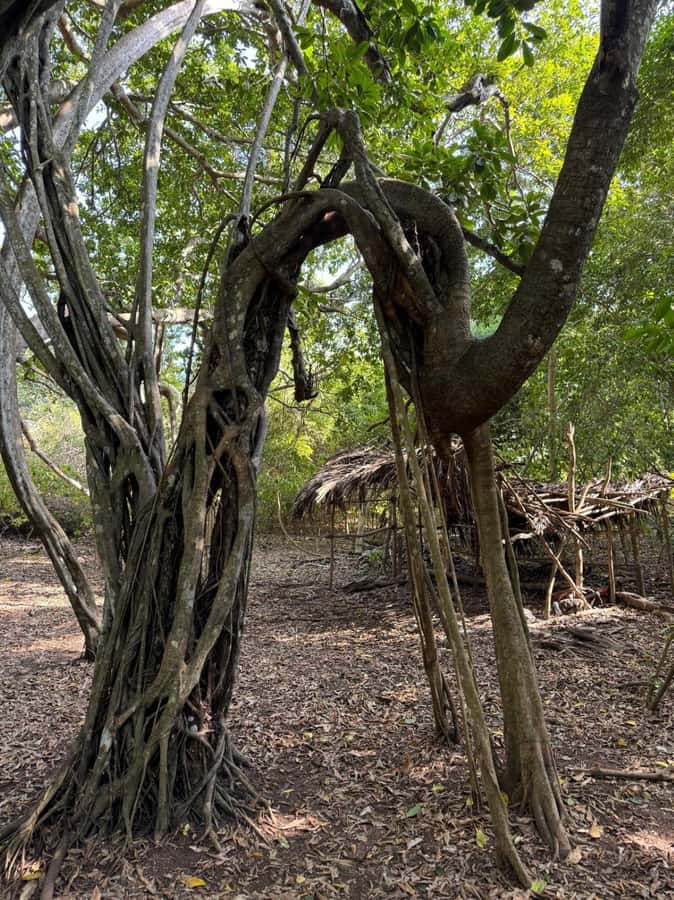
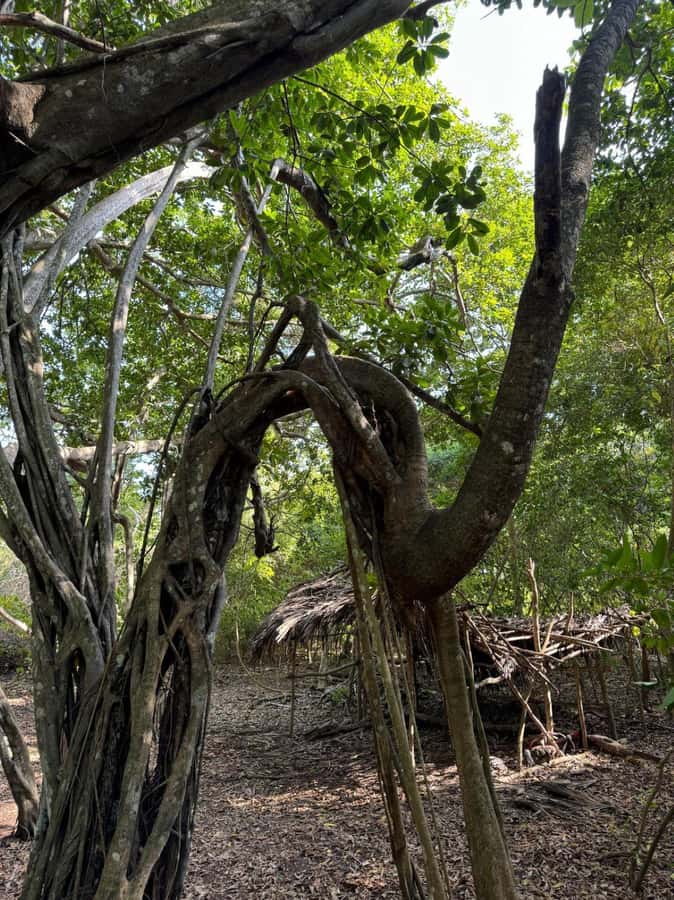
- Walking beneath centuries-old trees
- Shrines, altars, and Digo spiritual practice
- The village and school visit
- What the $60 price really covers
- Languages, group size, and the pace of the visit
- Tips for getting more from the forest
- Who should book Kaya Kinondo Sacred Forest
- Should you book this tour?
- FAQ
- Where is Kaya Kinondo Sacred Forest?
- How long does the guided tour last?
- What time does pickup begin?
- How long is the drive from Diani to the forest?
- Is hotel transportation included?
- What wildlife might I see?
- Which languages are available for the guide?
- How many people are in the group?
- Are entrance fees included?
- Are meals included?
Key points about Kaya Kinondo Sacred Forest
- A sacred Digo site: Your guide explains why the forest is tied to ancestors, prayer, rituals, and community life.
- Wildlife along a calm trail: Look for birds, monkeys, and colorful butterflies among old trees and dense vegetation.
- Traditional welcome: You receive a briefing and traditional attire before entering the forest.
- Small-group setting: Groups are limited to eight people, making conversation and questions easier.
- Possible village visit: The outing may continue to a nearby village and school, with singing, dancing, and a chance to make a small donation.
- Best for curious visitors: This suits you if you want a thoughtful cultural stop near Diani, not just another beach activity.
Reaching Kaya Kinondo from Diani
The normal morning schedule begins with pickup at 9:30 from hotels in Diani. The drive to Kaya Kinondo takes about 30 minutes, so the forest portion begins without swallowing your entire day. That leaves time for lunch, the beach, or another afternoon plan.
The pickup list covers a very large number of Diani and south-coast properties, from budget apartments and cottages to resorts such as Baobab Beach Resort, Neptune Village, Swahili Beach Resort, and Pinewood Beach Resort & Spa. You should still confirm your exact hotel when booking, especially if you are staying outside Diani.
Transport is included in both directions, which matters here. A private taxi to a cultural site can add up quickly, and arranging your own way to the forest would also mean coordinating entrance and guiding. The included vehicle removes much of that fuss.
There is one practical warning. A visitor starting from Bamburi Beach experienced a long journey, several vehicle changes, and a breakdown before reaching the forest. That is not the stated Diani plan, but it is a useful reason to confirm your pickup point and expected travel time in advance. For a Diani hotel, the advertised half-hour drive sounds much more sensible.
More Diani Beach trips:
- PILLI PIPA DHOW, the genuine product, snorkeling tour to Kisite Marine Park
★ 4.5 · 217 reviews - Full-Day Special Wasini Island Tour with Snorkeling and Lunch
★ 4.5 · 184 reviews - From Mombasa/Mtwapa/Diani/Tiwi: Tsavo East Full-Day Safari
★ 4.3 · 130 reviews
The welcome, briefing, and traditional clothing
On arrival, you are welcomed and taken to a hall for a briefing. This is more than a quick safety talk. It prepares you for the meaning of the place and explains how to behave around sacred sites.
You are also given traditional attire to wear before entering the forest. This helps mark the change from ordinary sightseeing to a visit with cultural rules and spiritual weight. It is a simple gesture, but it gives the opening of the tour a clear sense of purpose.
Do not picture an elaborate costume. The clothing may be a basic piece of brown fabric around the waist. If you are expecting a polished cultural performance with several costume changes, you may find this underwhelming. If you see it as a respectful sign of participation, it makes more sense.
The forest belongs to the Digo cultural world, and the guide explains its connection to ancestors and community rituals. Listen closely at this point. The briefing gives meaning to what follows, especially when the path reaches places that might otherwise look like ordinary clearings or old trees.
Walking beneath centuries-old trees
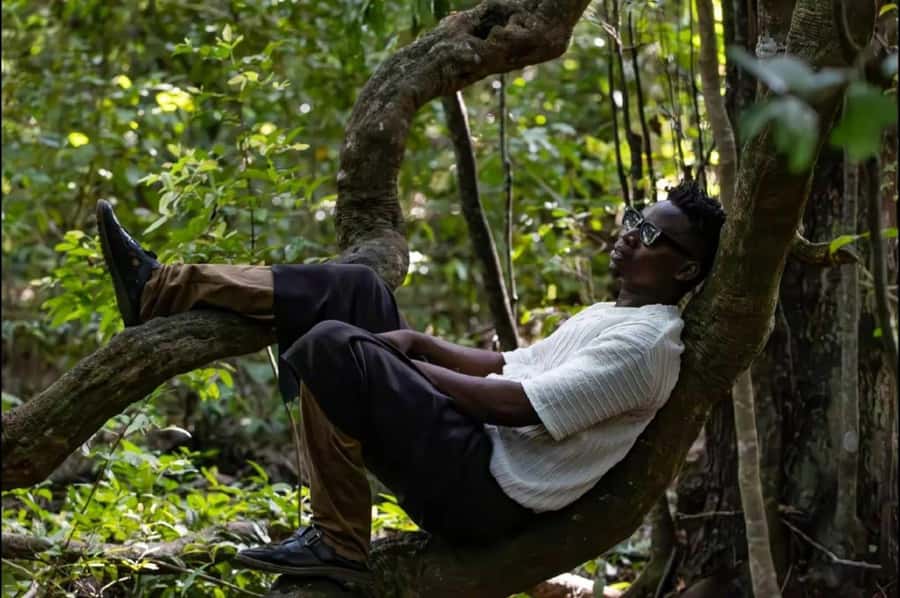
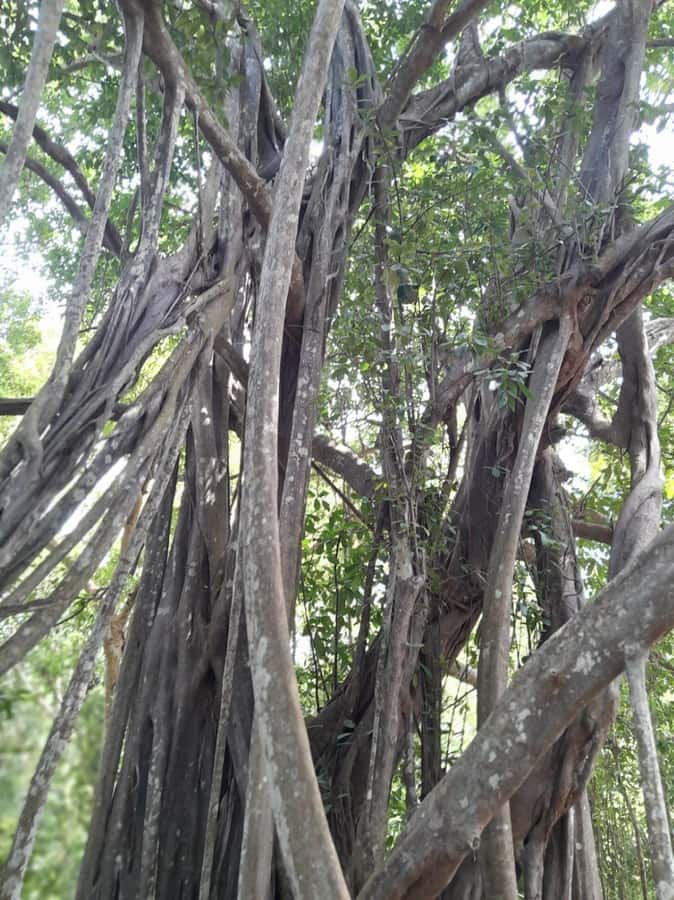
The trail winds through tall trees and thick undergrowth. It is described as well maintained and accessible to all, so this is not presented as a punishing hike or a technical nature trek. You can focus on the guide and the surroundings rather than worrying about a difficult route.
The first pleasure is the change in sound. The forest brings fresh air, damp earth, insects, and birdsong into sharp contrast with the hotels and beach roads around Diani. You may notice the scent of wet soil and vegetation before you start identifying individual plants.
Your guide points out plant species and ancient trees that have stood for centuries. The value here is not a long scientific catalog. It is the connection between living nature and local memory. The forest is not treated simply as a patch of trees waiting to be cleared or photographed. It is a place with a role in the life of the Digo people.
Wildlife sightings are possible but not guaranteed. Keep your eyes open for monkeys moving through the trees, birds in the canopy, and bright butterflies along the path. Birdwatching is one of the better reasons to move slowly, so resist the urge to hurry from one stop to the next.
Bring patience. A forest visit is not a zoo, and the animals will not arrange themselves on cue. The guide can help you notice movement and calls, but you should see wildlife as an added pleasure rather than the sole reason to pay for the tour.
Shrines, altars, and Digo spiritual practice
The cultural heart of the visit comes when you reach sacred places within the forest. These include shrines and altars used for traditional ceremonies, sometimes with offerings placed nearby.
Your guide explains the Digo practices connected with prayer and ritual, along with the importance of ancestors in the community. This is where a short walk becomes a more meaningful experience. You are not just learning the names of trees. You are being shown how a community understands its relationship with the forest.
Treat this part with care. Sacred sites are not props, and a respectful visitor should follow the guide’s instructions about where to stand, what to touch, and when photography is appropriate. The tour’s strongest quality is its direct connection to living tradition, so a quiet and attentive attitude improves the experience.
A particularly memorable activity can involve the prayer tree. One visit included an invitation to embrace it, creating a quiet moment of personal reflection. That may appeal to you if you enjoy spiritual experiences in nature. It may feel less comfortable if you prefer your cultural visits to stay strictly historical or academic.
The guide may also let you try some medicinal plants and explain their traditional uses. This adds a practical side to the cultural lesson, but you should treat the activity as an explanation of local practice, not medical advice.
A few more options to weigh up in Diani Beach
- Diani Beach: Private African Pool Map Guided Tour
★ 4.7 · 52 reviews - Tiwi Beach: Guided Tour to the African Pool
★ 5.0 · 15 reviews - Diani: Full day Guided tour in Tiwi beach & Diani
★ 5.0 · 5 reviews - Diani: Full-day Guided Mombasa City Tour from Diani
★ 5.0 · 1 review
The village and school visit
The forest visit may continue into a nearby village. The guide can explain the layout of the community and give you a closer look at daily life beyond the resort zone.
A school visit is also possible. Children may sing for the group, and the experience can include dancing and singing with local residents. This can be warm and memorable, but it also deserves a thoughtful approach. You are entering a real community, not attending a stage show built only for tourists.
A small donation to the school is appropriate if you choose to make one. One useful tip is to carry pens or pencils for the children. Sweets were also suggested, but school supplies are the more practical choice. Do not assume that a gift is required, and follow the guide’s advice so the visit remains respectful.
The village portion is one reason the tour can run differently from the simple three-hour forest description. If you want only a nature walk, ask how much time will be spent in the village and school before you set out. If you value personal contact and local culture, this extra stop may be the best part.
What the $60 price really covers
The $60 fee includes entrance fees, round-trip hotel transport, water, and a multilingual guide. For a small group capped at eight people, that is a reasonable package, particularly because the experience requires both access to a protected cultural site and a local guide.
You are paying for interpretation as much as for scenery. Without a guide, an old tree is simply an old tree, and a shrine may look like a quiet clearing. The guide explains why these places matter and how the Digo community connects spirituality, ancestors, and conservation.
The price does not include meals. Since the activity lasts about three hours and begins in the morning, this is easy to manage. Eat breakfast before pickup and plan lunch afterward. Water is supplied, but you may still want to carry extra drinking water if you prefer to stay well supplied in warm weather.
Value depends on your interests. If you want monkeys and butterflies alone, a wildlife-focused outing may give you more animal time. If you want a short, organized visit that joins ecology with local tradition, the included transport and guiding make the price easier to justify.
Languages, group size, and the pace of the visit
Guiding is available in English, German, French, Spanish, Polish, and Italian. That is a real advantage for a tour built around cultural explanation. Ask for your preferred language when reserving, and confirm it again before pickup if the distinction matters to you.
One visitor who needed French guidance experienced confusion and several changes in transport. That does not mean every French-language booking will have the same problem, but it does show why language arrangements should be checked rather than assumed.
The maximum group size is eight. Small groups are useful in a forest because you can hear explanations, stop without blocking a large procession, and ask about plants or rituals as they appear. The pace should also feel less rushed than a large coach excursion.
The walk is described as accessible to all, with a well-maintained trail. Even so, the forest has dense vegetation and natural ground underfoot. Wear comfortable shoes and clothing you do not mind pairing with the traditional attire. The supplied information does not specify special facilities, so ask the operator directly if you have particular mobility needs.
Tips for getting more from the forest
Arrive ready to look and listen. Birds and monkeys can be easy to miss if you spend the walk talking or checking your phone. A small camera or phone with a quiet setting is useful, but the cultural stops deserve your attention more than a hunt for constant photographs.
Carry insect repellent, a hat, and sun protection. The forest offers shade, but the drive, village visit, and open areas may not. Comfortable walking shoes are a better choice than beach sandals.
Ask questions. The guide can explain the meaning of the shrines, the use of plants, the role of the ancestors, and the way traditional ceremonies are conducted. The most praised part of the experience is the guide’s ability to make local culture engaging, so give that conversation room.
If the village and school are part of your outing, bring pens or pencils if you would like to offer something useful. A modest donation may also be welcome, but it should remain your choice.
Who should book Kaya Kinondo Sacred Forest
I would choose this tour if I wanted a break from beach time and a stronger sense of the region’s people and traditions. It suits couples, families, and small groups who enjoy nature walks, birdwatching, quiet reflection, and cultural explanation.
It is also a good fit for anyone who prefers a modest, locally guided experience over a polished resort show. The forest feels valuable because it is still treated as a sacred place, not simply as a backdrop for photographs.
I would hesitate if your priority is a guaranteed wildlife sighting, a long hike, or an elaborate costume experience. You should also think twice if you are staying far from Diani unless the operator confirms a clean transport plan. The Bamburi account shows how quickly a straightforward outing can become tiring when the pickup area is unclear.
With free cancellation up to 24 hours before departure and the option to reserve while paying later, the booking terms are flexible. Still, flexibility cannot fix a badly planned pickup, so confirm your hotel, language, and likely route before committing.
Should you book this tour?
Book it if you want nature with cultural meaning. The forest walk, Digo traditions, sacred shrines, prayer tree, and possible village visit give you much more than a quick look at local plants.
Skip it if you want a tightly timed wildlife safari or a purely scenic outing. For most people staying in Diani, though, the combination of short transfers, a small group, included entry, and a local guide makes Kaya Kinondo Sacred Forest a worthwhile half-day choice. Just pack patience, respectful curiosity, and a few school supplies if the community visit is included.
FAQ
Where is Kaya Kinondo Sacred Forest?
Kaya Kinondo Sacred Forest is in Kenya’s Coast Province, near the Diani area.
How long does the guided tour last?
The stated duration is three hours.
What time does pickup begin?
Hotel pickup begins at 9:30 from Diani hotels.
How long is the drive from Diani to the forest?
The drive from Diani to Kaya Kinondo takes about 30 minutes.
Is hotel transportation included?
Yes. Transfers to and from participating Diani hotels are included with a vehicle.
What wildlife might I see?
You might see birds, monkeys, and colorful butterflies during the forest walk.
Which languages are available for the guide?
Guiding is available in English, German, French, Spanish, Polish, and Italian.
How many people are in the group?
The tour is limited to eight participants.
Are entrance fees included?
Yes. Entrance fees are included in the $60 per-person price.
Are meals included?
No. Meals are not included, although water is provided.
Just added in Diani Beach
- 10-Days Kenya Wildlife Private Safari and Mombasa Diani Beach Holidays★ 5.0 · 5 reviews
- 4 Days Diani Beach Holiday Package with SGR Train ( minimum 2 persons)★ 5.0 · 1 review
- 3 Day Tour to Amboseli Tsavo West & East to Mombasa/Diani/Nairobi★ 5.0 · 1 review
- 2 Days Private Safari in Tsavo from Diani Beach with Pick Up★ 4.5 · 4 reviews
- Mombasa & Diani: Group Day Trips to Tsavo Park★ 5.0 · 2 reviews
- From Mombasa Airport: Diani transfer in a minivan (5 pax)★ 4.5 · 13 reviews
- Day Tour to Tsavo East National Park from Mombasa or Diani★ 5.0 · 5 reviews
- Overnight Safari to Tsavo East National Park from Mombasa/Diani★ 5.0 · 4 reviews
Guided, compared.

Nairobi National Park 5-hour Guided Game Drive Free Pick up
Read our review →
Nairobi National Park Full or Half-Day Tour with Guide
Read our review →

Half Day Guided Tour in Nairobi National Park With 4*4 Vehicle
Read our review →



Browse the lists this tour appears in