Reviewed · MAASAI MARA TOURS
From Nairobi:3-Days 2-Nights Maasai Mara Group Safari in 4WD
The Mara rewards an early start. This three-day safari gives you open-roof 4WD game drives, two nights of camp accommodation, meals, and a real chance to see lions, elephants, giraffes, zebras, and other famous Mara wildlife without arranging every detail yourself. I like the easy daily departures and the useful hotel pickup from central Nairobi or Westlands.
I also like that the tents include private bathrooms, hot showers, mosquito nets, and wall sockets, details that matter after long hours on rough roads. The main catch is the park fee: it is not included in the advertised $230 price, so your real cost becomes much higher, especially from July through December. Also, one guide received criticism for driving too fast, so guide quality may vary.
In This Review
- Key points to know before booking
- The real price of this Maasai Mara safari
- Day 1: Nairobi, the Rift Valley, and the 4:00 PM Mara drive
- What the budget camp offers after a long drive
- Day 2: the full-day safari that carries the trip
- Why the open-roof 4WD vehicle matters
- The Great Migration and wildlife expectations
- Day 3: breakfast, Maasai culture, and the road back
- Meals, guides, and the level of service
- Who should book this three-day safari?
- Should you book it?
- FAQ
- What is included in the $230 tour price?
- Is the Maasai Mara park fee included?
- Where can pickup take place in Nairobi?
- How many game drives are included?
- What type of accommodation is provided?
- Are meals included?
- How much does the optional Maasai village visit cost?
- What time does the tour return to Nairobi?
Key points to know before booking
- The advertised $230 price is not the final total: add the $200 low-season or $400 high-season park fee per person.
- Day 2 is your best wildlife day: you spend the full day inside the 1,510-square-kilometer reserve.
- The vehicle is built for viewing: the customized 4WD van or Jeep has an open roof for photos and animal spotting.
- The camp is basic but practical: expect a bed, fresh linens, private toilet and shower, hot water, mosquito nets, and power sockets.
- The trip includes a short Rift Valley stop: you get about 10 to 15 minutes for the view, not a long sightseeing visit.
- The Maasai village visit costs extra: the optional visit is $20 per person and includes cultural information and dancing.
The real price of this Maasai Mara safari
At first glance, $230 per person looks like an unusually low price for three days in the Maasai Mara. That figure covers transport, accommodation, meals, game drives, bottled water, the driver guide, and vehicle-related costs. It is a useful budget starting point, but it is not your complete safari bill.
The park entry fee is separate. From January 1 through June 30, the listed fee is $200 per person for the full safari. From July 1 through December 31, it rises to $400 per person. That puts the estimated total at $430 in the first period and $630 in the second, before extras such as drinks, a Maasai village visit, or a hot-air balloon ride.
That fee changes the value calculation. At $430, this can be a sensible way to reach the Mara if you want shared transport and basic lodging. At $630, you should compare it with other packages that may include park entry, since the apparent bargain becomes less striking.
Still, you are getting a lot for the base price. Transport from Nairobi, two nights of lodging, full-board meals, and extensive game drives are already arranged. You do not need to coordinate a separate vehicle, driver, camp, and meal plan.
The best fit is someone who wants a straightforward safari at a controlled cost. You need to read the price details carefully and treat the $230 figure as the tour portion, not the full amount.
More Maasai Mara safaris:
- 3 Days Masai Mara Group Joining
★ 5.0 · 486 reviews - 5 Days Masai Mara, Lake Nakuru & Naivasha Budget Joining Safari
★ 5.0 · 229 reviews - 3 Days Gamedrive Safari In Masai Mara From Nairobi
★ 5.0 · 207 reviews
Day 1: Nairobi, the Rift Valley, and the 4:00 PM Mara drive
Pickup is available from hotels in Nairobi city center or the Westlands area near the highway. If you stay elsewhere, you need to go to the meeting point outside City Market on Muindi Mbingu Street. That rule is simple, but it matters because a pickup outside the stated area is not promised.
The road from Nairobi to the reserve is part of the experience. A short stop at the Great Rift Valley Viewpoint gives you 10 to 15 minutes to look across one of Kenya’s major geological features and take photographs. Keep your expectations in check: this is a brief roadside pause, not a full morning of sightseeing.
After reaching the Mara, you have lunch at camp before the first game drive. The timing listed for this drive is 4:00 PM to 6:00 PM. Those late afternoon hours can be rewarding because animals are active as the day cools, and the lower sun gives photographs warmer light.
The first drive is also a useful introduction to the reserve. You might see large grazing animals, giraffes, or a predator if conditions cooperate. Lions and leopards are specifically highlighted as possible sightings during the later hours, but no wildlife encounter can be guaranteed.
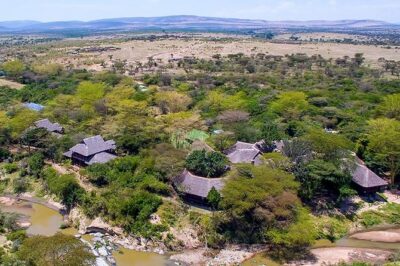
After the drive, you return for a buffet dinner and your first night at camp. The named accommodation options are Olailepo Mara Camp, Rhino Mara Camp, Mara Enkajiang, or a similar property. Since the exact camp may vary, think of this as a budget safari camp rather than a fixed hotel experience.
What the budget camp offers after a long drive
The accommodation is basic, but the important comforts are included. Your tent should have a bed with fresh linens, mosquito nets, a private shower and toilet, hot water, and wall sockets. Those sockets are especially useful for charging a phone or camera battery after a day outside.
This is not a luxury lodge package. The point is to give you a clean, functional place to sleep close to the safari area while keeping the tour price down. A hot shower and private bathroom make a major difference when you have spent hours in a vehicle.
Meals are full board, including breakfast, lunch, and dinner. Drinks such as beer, soda, and water purchased at the camp restaurant are not included, although bottled water is supplied during the safari. Budget for those extras rather than assuming every drink is covered.
The camp setting also gives you a quieter evening than you would have in Nairobi. You can eat, rest, and prepare for an early start without having to arrange another transfer.
Day 2: the full-day safari that carries the trip
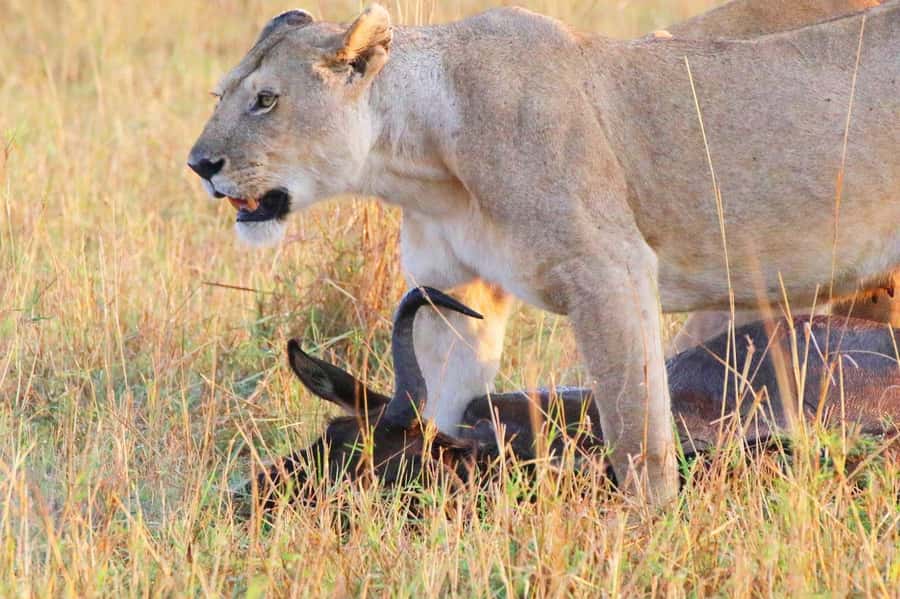
Day 2 is the heart of the experience. You start with an early morning game drive and spend the day exploring the Maasai Mara National Reserve, which covers about 1,510 square kilometers.
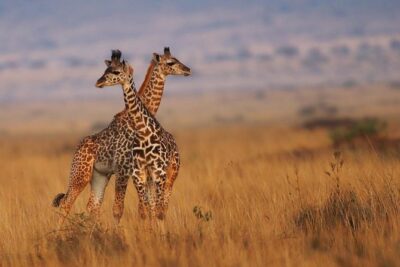
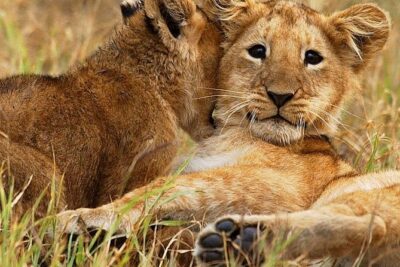
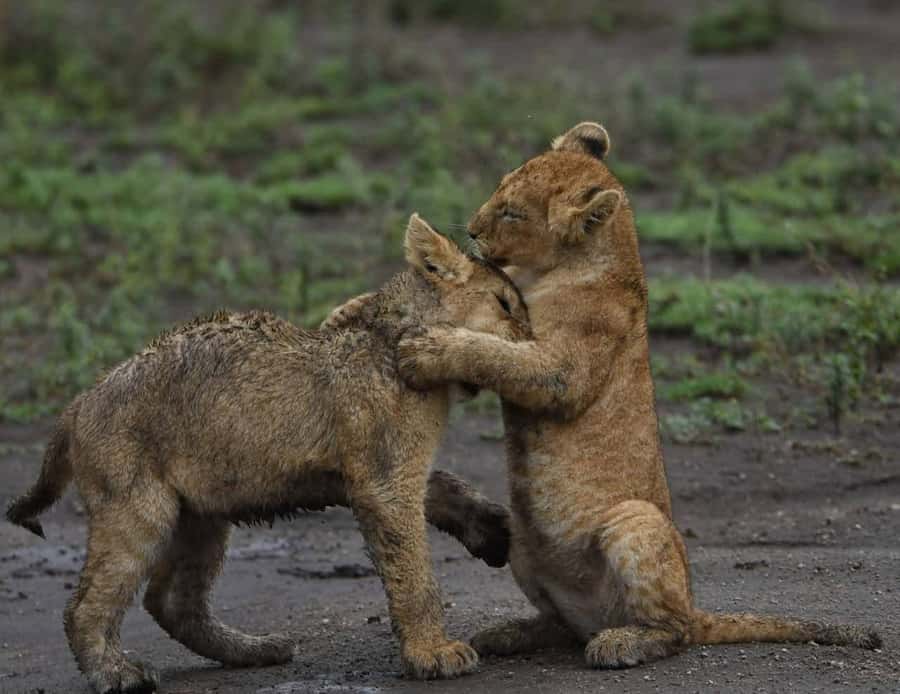
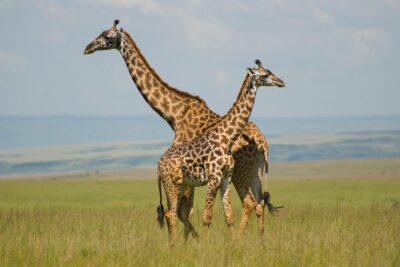
The reserve is known for its open grassland and river areas. The schedule gives you a strong range of possible sightings, including Masai giraffes, zebras, wildebeest, impalas, topis, elephants, buffaloes, and hippos. Lions may be resting in the open or hunting across the plains.
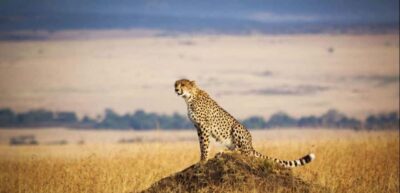
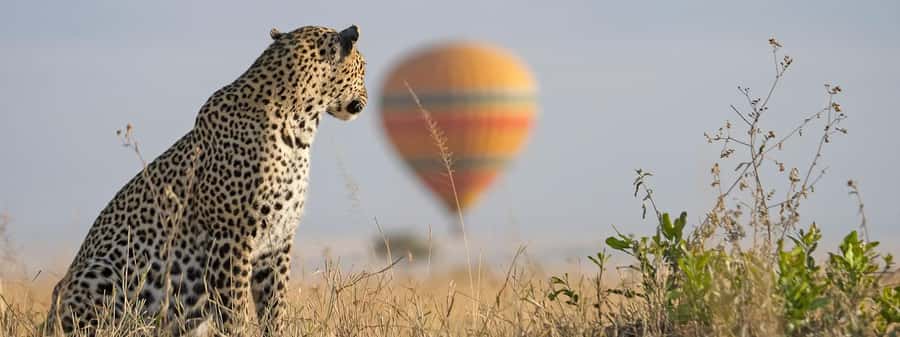
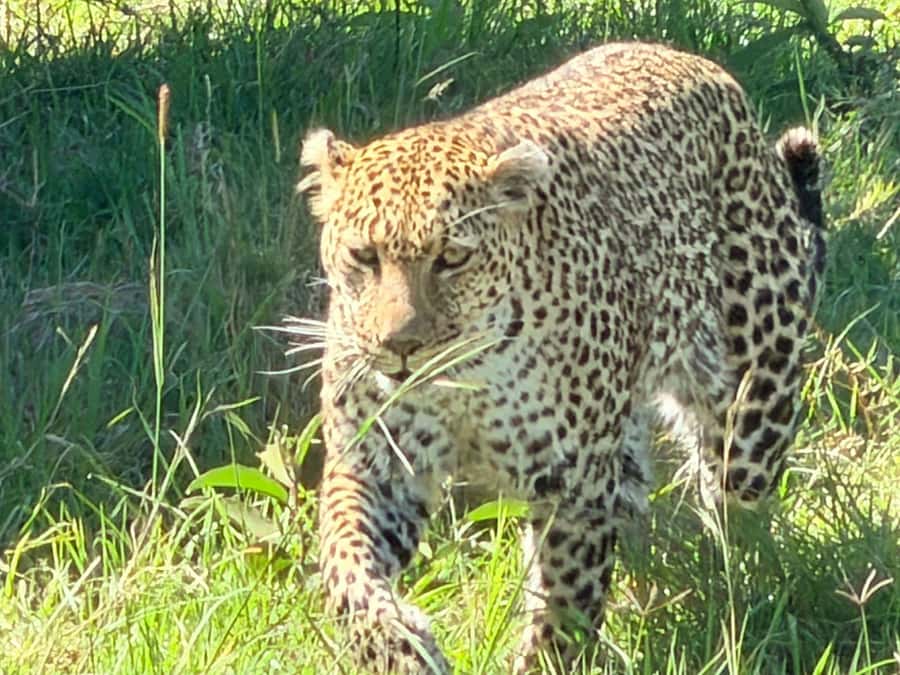
Predators are harder to find, but the day offers time to look. Spotted hyenas, bat-eared foxes, grey jackals, leopards, and cheetahs are listed as possible sightings. You should approach this with the right mindset: the guide can search likely areas, but a leopard is never a scheduled attraction.
The afternoon includes another game drive through a different part of the reserve. This matters because a full day gives you more chances than a short morning outing. It also lets you spend time watching animal behavior instead of treating every sighting as a quick checklist stop.
The day ends around sunset, with the sky changing over the open Mara. You get a strong photo opportunity, but remember that the schedule still requires a return to camp for dinner and rest.
The tour describes two game-drive periods on the second day, morning and afternoon. If seeing particular animals is your top goal, tell the driver what you hope to find. The driver guides are English-speaking, and the reviews praise guides such as George and Mark for being helpful, professional, and well organized.
There is one caution about driving style. One report described a guide rushing to leave each stop and driving fast enough that passengers had to hold on. That does not mean every guide will drive this way, but it is fair to ask for a slower pace if you feel uncomfortable. A safari should give you time to watch, not just race from one sighting to the next.
A few more options to weigh up in Nairobi
- Nairobi National Park Half-Day Tour; Free Wi-Fi connection
★ 5.0 · 878 reviews - Nairobi: National Park & Optional Elephants & Giraffe Center
★ 4.8 · 874 reviews - NAI NAMI: Nairobi Storytelling Tour with Street Children
★ 5.0 · 792 reviews - Nairobi National Park Half-Day Game Drive
★ 4.5 · 738 reviews
Why the open-roof 4WD vehicle matters
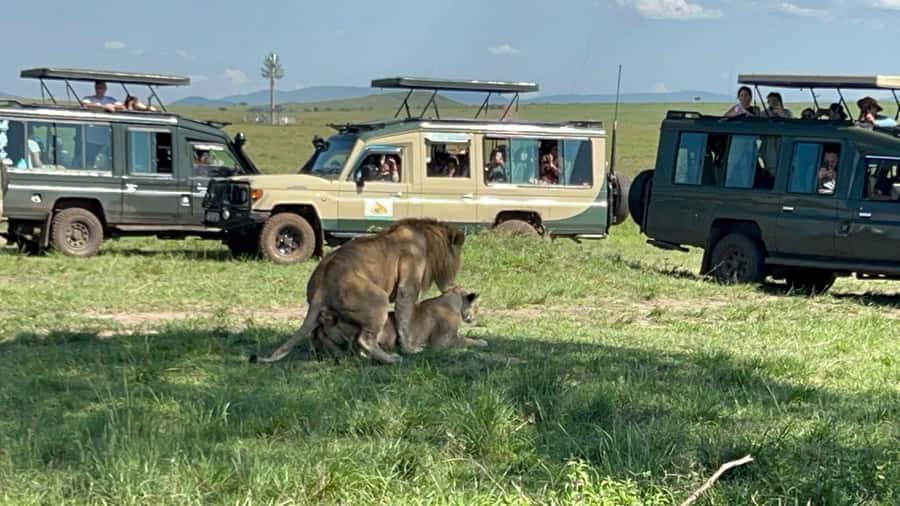
The vehicle is a modern customized 4WD safari van or Jeep with an open roof. That design gives you a better upward view for giraffes, birds, and animals standing close to the vehicle. It also makes photography easier than shooting through a side window.
The 4WD setup is useful on reserve tracks, where road conditions can change. You will spend many hours seated in the vehicle, so comfortable shoes and practical clothing are sensible choices. Biodegradable sunscreen is also recommended.
This is a group safari, so you share the vehicle and the day’s decisions with other people. That keeps costs down, but it can reduce flexibility. The driver guide chooses the route and manages the schedule, and you may not be able to linger as long as you would on a private safari.
The vehicle also affects your comfort. Bring patience for long drives and dusty roads. Keep your camera ready, but do not spend the whole day looking through a screen. The most memorable moments may be a lion resting in the grass, a giraffe moving across your view, or a herd of wildebeest changing direction.
The Great Migration and wildlife expectations
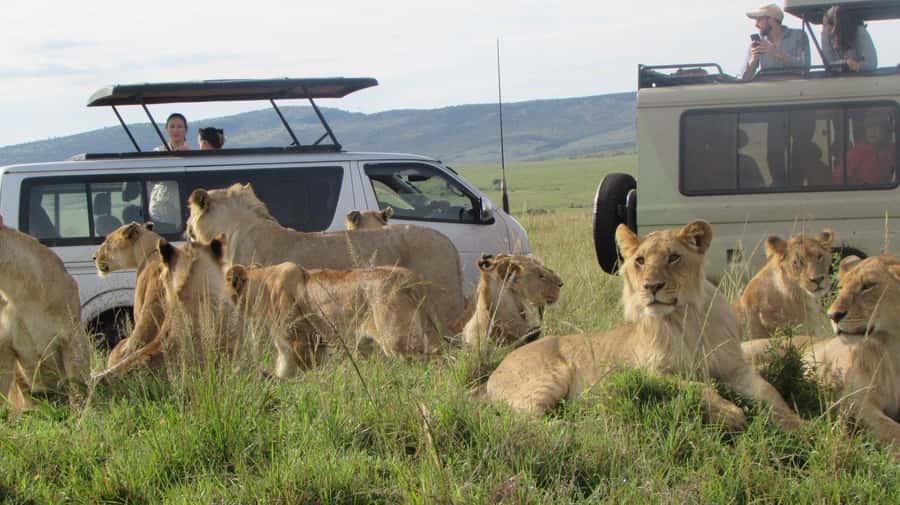
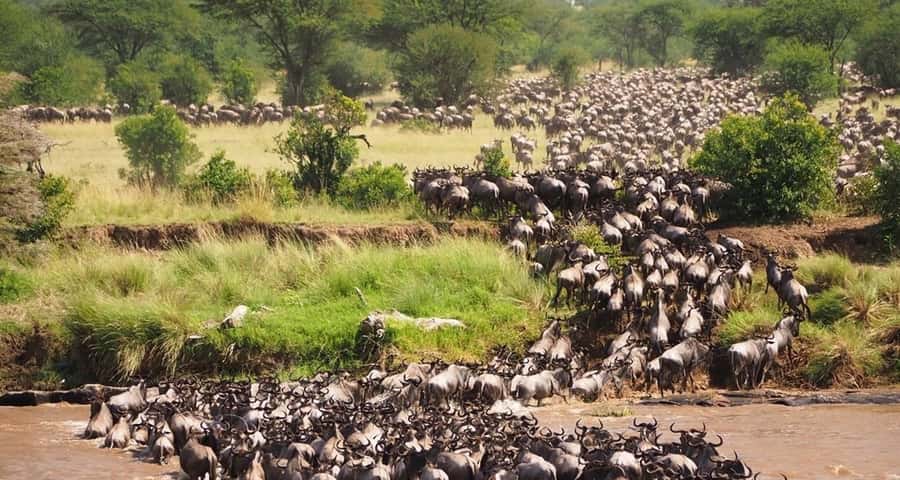
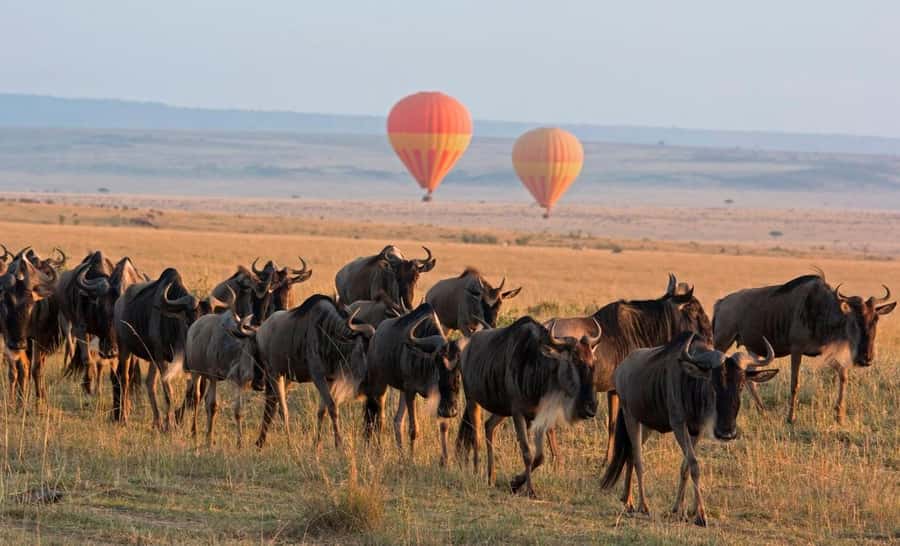
The experience promotes the chance to see the wildebeest migration and the Big Five. The Maasai Mara is a famous setting for these animals, but the word chance matters. Wildlife moves freely, and the trip cannot promise a particular animal or migration event during your dates.
You should also check the park-fee season before booking. The fee is lower from January through June and higher from July through December. The higher July to December charge may overlap with popular migration periods, which helps explain the cost difference, but the supplied details do not promise that you will see a crossing or a specific herd.
The strongest plan is to value the whole reserve rather than one dramatic sighting. The itinerary includes plenty of time for the Mara’s common animals, predators, birds, open plains, and river areas. If you see a lion or leopard, treat it as a bonus within a broader day of wildlife watching.
Day 3: breakfast, Maasai culture, and the road back
Your final morning begins with breakfast and checkout. You then have the option to visit a Maasai village for an additional $20 per person, paid on site.
The visit gives you a chance to learn about Maasai culture and watch traditional dancing. I would consider it if you want a cultural activity beyond game drives, but remember that it is not included in the tour price. Ask about the payment and visit details before joining so there are no surprises.
Afterward, you leave for Nairobi. The expected arrival time is about 3:30 PM, with drop-off at a hotel in Nairobi city center or Westlands. That timing makes the tour easier to connect with an evening plan, but I would avoid booking a tight onward flight or long-distance transfer without allowing for road delays.
One useful detail from the trip arrangements is that onward transport to another city has worked smoothly for some people. Even so, safari roads and traffic can be unpredictable, so build in a buffer when planning the next leg.
Meals, guides, and the level of service
The package includes breakfast, lunch, and dinner for both nights, plus bottled water while you are on safari. This reduces daily spending and saves you from searching for meals during the driving schedule.
The strongest praise goes to the organization and the drivers. George is described as helpful and well informed, while Mark is praised for professional planning and smooth transport. The overall service is not presented as luxury, but the practical parts, including meals, accommodation, park visits, and transfers, have worked well.
Guide quality remains an important variable on a shared safari. A good driver guide can help you spot animals, explain what you are seeing, and keep the day moving at a reasonable pace. If your driver seems hurried, speak up early and politely.
The experience is conducted in English. If you want detailed explanations about animals or local culture, ask questions during the drive. One report specifically notes that the guide tried to answer questions, even though the driving pace was a concern.
Who should book this three-day safari?
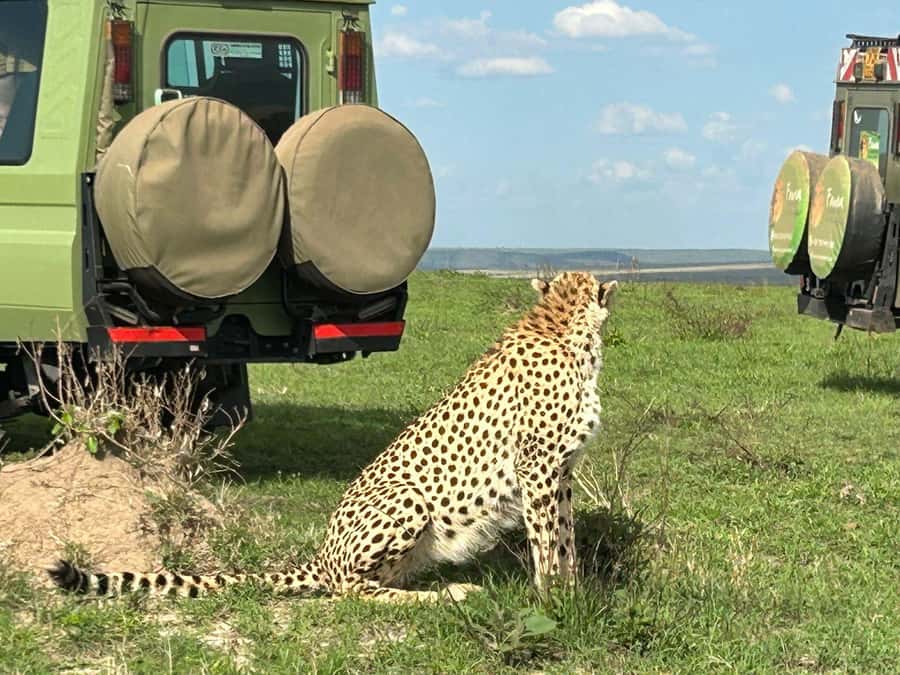
I would recommend this trip to first-time safari visitors who want the classic Maasai Mara experience without arranging every component independently. It suits people who value a full day of game drives, basic private-bathroom accommodation, included meals, and a simple Nairobi transfer.
It is also a good option for solo visitors or couples who are comfortable joining a group. The low tour portion of the cost can make the Mara more reachable, though the separate park fee must be included in your budget.
You may want a different arrangement if you need a private vehicle, luxury lodging, slow photography stops, or full control over the route. A group vehicle means less independence, and the schedule is fairly fixed.
Pack comfortable shoes, biodegradable sunscreen, and charging cables. Keep your pickup location clear, and confirm the exact camp before departure if that detail matters to you. If you plan to visit the Maasai village, bring the additional $20.
Should you book it?
Book this safari if you want a practical, shared route from Nairobi with a full Mara day, open-roof viewing, meals, and a private bathroom at camp. The excellent 4.8 rating from 11 reviews fits the main strengths: smooth organization, useful accommodation, good meals, and capable drivers such as George and Mark.
Book with caution if you are comparing only the $230 headline price. The added park fee brings the total to about $430 from January through June or $630 from July through December. Once you add that cost, check competing tours carefully.
For a budget-minded first safari, I think this is a solid choice, provided you accept shared transport, possible differences between guides, and the basic camp style. The full second day is the key reason to go.
FAQ
What is included in the $230 tour price?
The price includes transport in a customized 4WD safari van or Jeep, Nairobi pickup from the stated areas, two nights of budget accommodation, meals, game drives, bottled water during the safari, an English-speaking driver guide, driver allowance, vehicle entry costs, and assistance.
Is the Maasai Mara park fee included?
No. The park fee is separate from the tour price. It is listed as $200 per person from January 1 through June 30 and $400 per person from July 1 through December 31.
Where can pickup take place in Nairobi?
Pickup is available from hotels in Nairobi city center or Westlands near the highway. If you stay outside those areas, the meeting point is outside City Market on Muindi Mbingu Street.
How many game drives are included?
The schedule includes an evening game drive on Day 1 from 4:00 PM to 6:00 PM and a full day of game drives on Day 2, with morning and afternoon periods.
What type of accommodation is provided?
Accommodation is in a budget camp such as Olailepo Mara Camp, Rhino Mara Camp, Mara Enkajiang, or a similar property. The tents have beds with fresh linens, private showers and toilets, hot water, mosquito nets, and wall sockets.
Are meals included?
Yes. Breakfast, lunch, and dinner are included as full-board meals. Beer, soda, and drinks purchased at the camp restaurant are not included.
How much does the optional Maasai village visit cost?
The Maasai village visit costs $20 per person and is paid on site. It includes an opportunity to learn about Maasai culture and watch dancing.
What time does the tour return to Nairobi?
The planned arrival in Nairobi is around 3:30 PM on Day 3, with drop-off in the city center or Westlands area.
Just added in Nairobi
- Wildlife Capital: Half-Day Safari at Nairobi National Park★ 5.0 · 2 reviews
- 3 days maasai mara migration safari★ 4.5 · 7 reviews
- 4 Days Tour Landcruiser in Masai Mara and Lake Nakuru★ 5.0 · 10 reviews
- 4 Days Safari to Lake Nakuru N/P and Maasai Mara N/R★ 5.0 · 18 reviews
- Maasai Mara Day Trip★ 5.0 · 15 reviews
- Day Tour to Nairobi national park, Elephants, and Giraffe Center★ 3.5 · 8 reviews
- 6 Days Kenya Budget Group Safari★ 5.0 · 2 reviews
- 3 Days Masai Mara Wildebeest migration Budget safari★ 5.0 · 2 reviews
Maasai Mara Tours, compared.
5 Days Masai Mara, Lake Nakuru & Naivasha Budget Joining Safari
Read our review →
3 Days Gamedrive Safari In Masai Mara From Nairobi
Read our review →