
Reviewed · 2-DAY EXPERIENCES
Family Ties (2 Days)
Meet Kenya through family life. Family Ties takes you beyond standard sightseeing, bringing you into the homes and daily routines of Maasai and Kikuyu families near Nairobi. You spend time with elders, women, children, and community members while learning how traditional customs fit alongside modern work and family needs. I especially like the small maximum of 10 people and the chance to take part in useful activities rather than simply watch them. I also like the focus on genuine conversation, from shared stories to laughter over beaded jewelry and farm work.
The main thing to check before booking is the timing. The experience is sold as a two-day tour, yet the general details list about 6 hours and 30 minutes, while the second day is described as seven hours. Ask One Horizon Africa to confirm the exact schedule, transport plan, and whether the $1,060 price covers both days as you expect.
In This Review
- Key points about Family Ties
- Why this tour feels different from a standard Nairobi outing
- Day one with the Maasai, from manyatta building to beading
- Day two with Kikuyu families and the Go Granny Go project
- Nairobi National Park and the unclear timing
- What the $1,060 price means
- The human contact is the real highlight
- Who will enjoy Family Ties most
- Practical advice before you book
- Should you book Family Ties?
- FAQ
- Where does Family Ties take place?
- How long does the tour last?
- What time does the tour start?
- How many people can join the tour?
- What will I do during the Maasai family visit?
- What happens during the Kikuyu family visit?
- Can I cancel for a full refund?
Key points about Family Ties
- Two Kenyan communities in one tour: Spend one day with a Maasai family and another with a Kikuyu family.
- Hands-on Maasai activities: Help build a traditional manyatta and learn about plants used for medicinal remedies.
- Beading with Maasai women: Make your own piece of traditional Maasai jewelry while hearing personal stories.
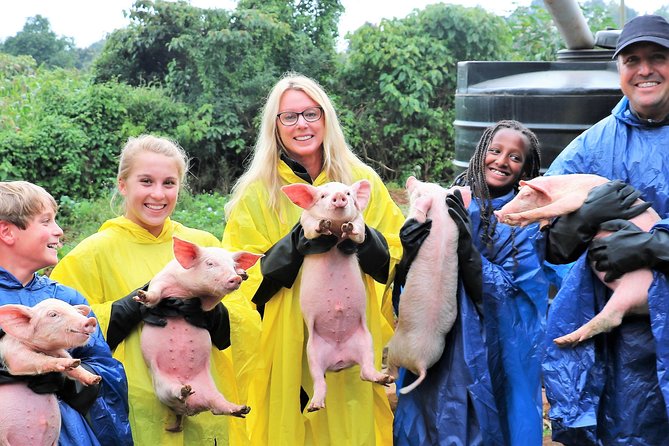
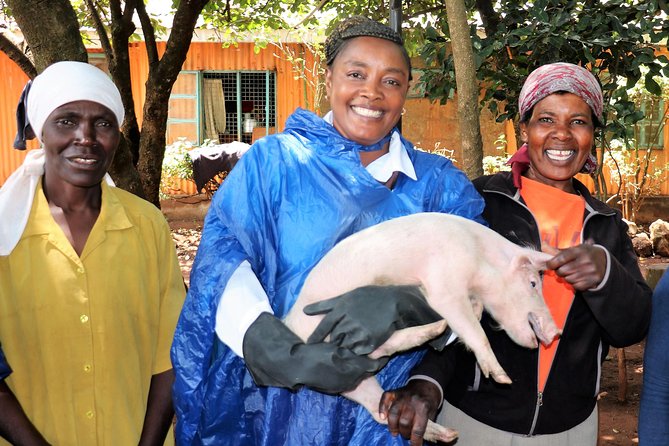
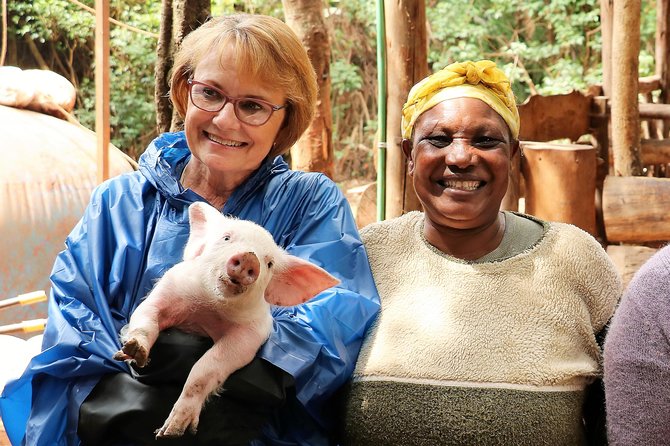
- Grandmother-led households: Visit a Kikuyu farming enterprise that supports families cared for by grandmothers.
- Small-group setting: The tour accepts no more than 10 people, which suits personal conversation.
- A thoughtful Nairobi add-on: Nairobi National Park appears among the listed stops, though the supplied schedule does not explain how much time is spent there.
Why this tour feels different from a standard Nairobi outing
Many Nairobi excursions give you a quick look at wildlife, museums, or city landmarks. Family Ties takes a slower and more personal route. Its subject is not a single attraction, but the way Kenyan families live, work, preserve customs, and adapt to present-day pressures.
That distinction matters. You are not simply shown a Maasai village from a distance. You spend the day with men, women, children, and an elder named Daniel. You help with a traditional home, hear about rites of passage, learn about local plants, and make jewelry with the women. The point is participation and conversation.
The second day shifts the focus to Kikuyu family life. You visit a farming enterprise connected to grandmother-headed households, giving you a practical look at how an income-producing project can support several generations. The supplied information refers to this work as the Go Granny Go project and specifically mentions a pig farm, so you can expect the visit to connect family care with farming rather than present a simple cultural display.
I like that the two days have different moods. The Maasai visit centers on customary life and community knowledge. The Kikuyu visit looks at resilience, farming, and the responsibilities carried by older women. Together, they give you a wider picture of rural Kenyan family structures.
A few more options to weigh up in Nairobi
- Nairobi National Park Half-Day Tour; Free Wi-Fi connection
★ 5.0 · 878 reviews - Nairobi: National Park & Optional Elephants & Giraffe Center
★ 4.8 · 874 reviews - NAI NAMI: Nairobi Storytelling Tour with Street Children
★ 5.0 · 792 reviews
Day one with the Maasai, from manyatta building to beading
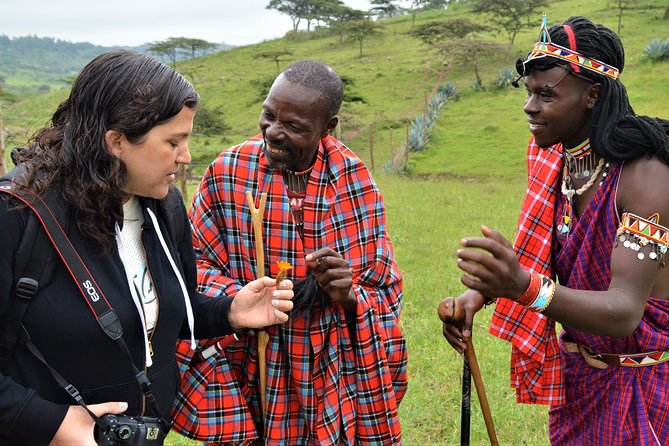
Your first day takes you to a Maasai village. An elder named Daniel guides you through the community and explains how the Maasai have managed and protected their valuable land. The wording here is important: this is not only a visit to see traditional homes. Daniel helps place those homes, customs, and family roles within a wider way of life.
One of the day’s hands-on tasks is helping build a manyatta, a traditional Maasai home. That should give you a better sense of the work involved than a short explanation or a posed photo stop. The activity also creates a natural way to work alongside the community instead of standing apart with a camera.
You will also spend time with Maasai warriors, who explain local plants used to make medicinal remedies. This is a valuable part of the day because it connects knowledge of the land with everyday health practices. The information provided does not promise a full lesson in herbal medicine, so think of this as an introduction rather than a medical workshop.
The afternoon belongs largely to the women. They share their stories while helping you create a piece of traditional Maasai beaded jewelry. This is one of the strongest parts of the experience for anyone who likes to bring home something made through a shared activity rather than buy a finished souvenir.
The jewelry session also gives the visit a more human rhythm. You are doing something with your hands while talking, which tends to make conversation easier. You may learn about family roles, customs, and changing life in a way that feels less formal than a lecture.
The tour also refers to Maasai rites of passage. That subject can carry real cultural weight, so it is best approached with respect and curiosity. You are being offered an explanation of age-old customs, not a performance designed only for entertainment.
Day two with Kikuyu families and the Go Granny Go project
The second day moves to a Kikuyu family and a very different concern: how grandmother-headed households support several generations. The tour shows how a farming enterprise assists these families, with the supplied review specifically identifying a pig farm connected to the Go Granny Go project.
This focus gives the day a clear practical purpose. You are not only hearing about family structure. You are seeing how farming can help older women care for children and other relatives. The project’s value lies in that connection between income, responsibility, and family stability.
The supplied comments about this visit describe it as emotional but also positive and uplifting. That combination is worth keeping in mind. A visit centered on grandmother-headed households may bring difficult realities into view, but it is not presented as a spectacle of hardship. The emphasis is on the women’s strength, their work, and the support created through the project.
Colin from One Horizon was praised for answering questions before the visit. That small detail is useful. This is the sort of tour where you may want to understand the purpose and format before arriving, especially if you have questions about photography, appropriate clothing, gifts, or how the project operates. Contacting the provider in advance should help set the right expectations.
The available schedule does not provide a full hour-by-hour account of day two. It says the day lasts about seven hours and identifies a Kikuyu family visit, but it does not list every activity, meal, or transfer. I would confirm those points before paying the full price.
Nairobi National Park and the unclear timing
Nairobi National Park appears in the listed stop information, but the supplied day-by-day description focuses on the Maasai and Kikuyu visits. It does not say whether the park includes a game drive, a brief stop, or simply forms part of the wider meeting area.
That lack of detail is worth noting because Nairobi National Park can mean very different things depending on the plan. If you expect a wildlife excursion, do not assume it is included just because the park is named. Ask how much time is allocated to it and what you will actually do there.
The timing also needs clarification. The main tour details say approximately 6 hours and 30 minutes, while the itinerary gives day two as seven hours and describes a two-day program. These figures do not line up neatly. The most sensible reading is that the page combines broad booking information with separate daily details, but you should confirm the total schedule directly with One Horizon Africa.
The stated start time is 9:30 a.m. That is a manageable hour for a Nairobi pickup, but the supplied information does not state the pickup zone, driving time, meals, or return time. Pickup is offered, and a mobile ticket is available, but the practical details still deserve a quick question before booking.
A completely different kind of day:
- Nairobi National Park Half-Day Game Drive
★ 4.5 · 738 reviews - Nairobi: Historic and Modern Highlights Walking Tour
★ 4.8 · 703 reviews - Safari Tour; Nairobi National Park
★ 4.5 · 594 reviews - 3 Days Masai Mara Group Joining
★ 5.0 · 486 reviews
What the $1,060 price means
At $1,060 per person, Family Ties is a major purchase. It is not priced like a short city tour or a quick village stop. The value depends on what you want from Kenya.
If your priority is the lowest-cost sightseeing, this tour will probably feel expensive. You are paying for a small-group cultural program, personal access to families, two different communities, hands-on activities, and a project connected to grandmother-led households. The maximum group size of 10 matters here. Smaller groups make it easier to ask questions and avoid turning a home visit into a crowded procession.
The price may also make more sense to you if you value direct community contact over a long list of attractions. You receive a closer look at family life, traditional skills, and a farming project. Those are harder to measure than entrance tickets, but they may be the most lasting part of your time in Kenya.
Still, the supplied information does not say whether meals, accommodation, transport between every stop, or any park activity are included. Because the tour is described as two days but no lodging details are supplied, I would not assume an overnight stay is part of the package. Ask for a written breakdown of what the price covers.
One encouraging sign is the provider’s apparent willingness to explain the program. Colin answered detailed questions before one participant joined the grandmother project. That kind of communication is especially important for a high-priced experience.
The human contact is the real highlight
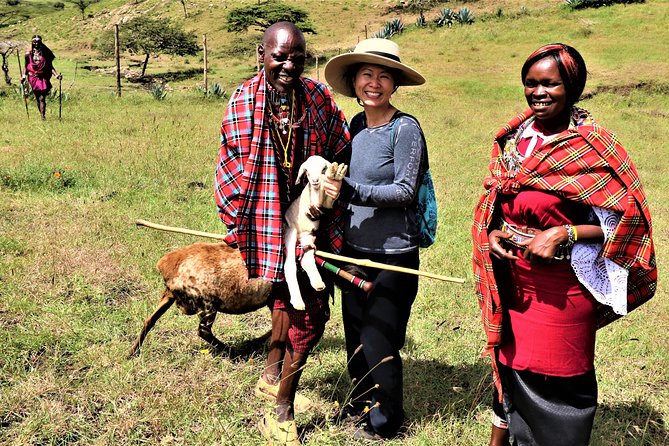
Family Ties works best when you want time to talk. The stated highlight is sharing stories and laughter, and that emphasis gives you a useful clue about the pace. This is not designed as a fast procession of photo opportunities.
The Maasai day brings together several generations and roles: an elder, warriors, women, and children. The Kikuyu day focuses on grandmothers and the families they support. In both cases, the value comes from meeting people as people, not treating culture as a display behind glass.
You should arrive ready to listen. Some subjects, including rites of passage, family hardship, and changing traditions, need care. A respectful question will take you further than trying to force a dramatic story.
Photography is not addressed in the supplied information. Ask permission before taking pictures, especially inside homes or during family activities. This is basic courtesy, and it helps protect the trust that makes the tour worthwhile.
Who will enjoy Family Ties most
I would recommend this experience to you if you want:
- A people-centered cultural program near Nairobi
- A small group with more room for questions
- Direct contact with Maasai and Kikuyu families
- Hands-on activities such as home building and jewelry making
- A closer look at community farming and grandmother-led households
- A thoughtful alternative to a standard sightseeing day
Families may find the range of ages appealing because children and adults can take part in different ways. The activities are also more memorable than simply listening to a guide describe local traditions.
It should suit visitors who are comfortable with a flexible schedule and open conversation. The information says most people can participate, and service animals are allowed. Beyond that, the physical demands are not explained in detail, so ask about walking, building work, and farm conditions if those points matter to you.
I would be more cautious about recommending it to you if you want a tightly timed program with clearly listed stops, guaranteed wildlife viewing, or a conventional luxury tour. The cultural contact is the main attraction, and the details are less standardized than they would be on a typical park excursion.
Practical advice before you book
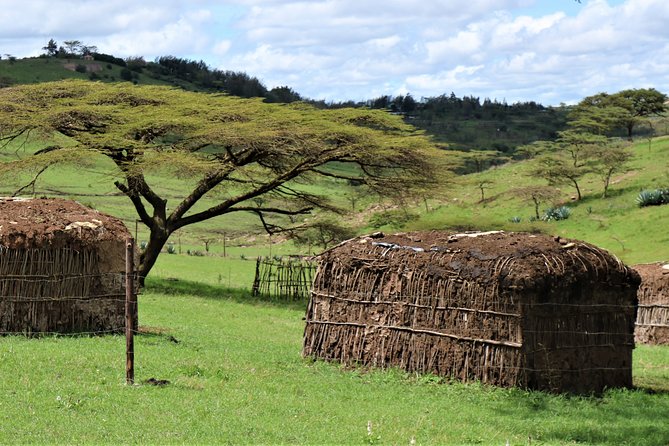
Start by confirming the duration. Ask why the experience is described as two days, 6 hours and 30 minutes, and seven hours on day two. Also ask if accommodation is included or if the two days are separate outings.
Next, ask about the Nairobi pickup area and the exact return arrangements. Pickup is offered, but no zones or transfer times are provided. If Nairobi traffic affects your plans, those details can make a real difference.
You should also request a clear list of inclusions. Confirm transport, meals, jewelry materials, any contribution to the farming project, and the role of Nairobi National Park. None of these should be assumed from the general description.
The group limit is 10 people, which is a helpful sign for a personal visit. Confirmation arrives when you book, and free cancellation is available up to 24 hours before the start time. Changes or cancellations inside that 24-hour window are not accepted for a refund.
The provider is One Horizon Africa, and the experience belongs to the Magical Kenya Signature Experience Collection, a group of special Kenyan programs accredited by the Kenya Tourist Board. That designation gives useful context, but the actual value still rests on the quality of the family visits and the clarity of the arrangements.
Should you book Family Ties?
Book Family Ties if you want Kenya to be more than scenery and attractions. The Maasai home-building activity, medicinal plant lesson, jewelry making, and Kikuyu farming visit offer a thoughtful mix of participation and conversation. The grandmother project is especially meaningful if you want your spending to connect with a community-based effort.
Before booking, get the schedule and inclusions in writing. The unclear duration and limited information about Nairobi National Park are the main weak spots, especially at $1,060 per person. If One Horizon confirms a clear two-day plan and explains what the price covers, this could be a memorable choice for a small group seeking personal, respectful contact with Kenyan families.
FAQ
Where does Family Ties take place?
The experience is based in Nairobi, Kenya, with visits to a Maasai village and a Kikuyu family. Nairobi National Park is also listed among the stops.
How long does the tour last?
It is presented as a two-day experience. The general duration is listed as approximately 6 hours and 30 minutes, while the second day is described as seven hours. Confirm the exact schedule with One Horizon Africa.
What time does the tour start?
The stated start time is 9:30 a.m.
How many people can join the tour?
The maximum group size is 10 people.
What will I do during the Maasai family visit?
You will spend time with Maasai men, women, children, and an elder named Daniel. Activities include helping build a traditional manyatta, learning about local plants used for medicinal remedies, hearing about rites of passage, and making Maasai beaded jewelry with the women.
What happens during the Kikuyu family visit?
You will visit a Kikuyu family and learn how a farming enterprise supports grandmother-headed households. The project is identified as Go Granny Go and includes a pig farm.
Can I cancel for a full refund?
Yes. You can cancel at least 24 hours before the experience start time for a full refund. Cancellations and changes made less than 24 hours before the start time are not accepted for a refund.
Just added in Nairobi
- Wildlife Capital: Half-Day Safari at Nairobi National Park★ 5.0 · 2 reviews
- 3 days maasai mara migration safari★ 4.5 · 7 reviews
- 4 Days Tour Landcruiser in Masai Mara and Lake Nakuru★ 5.0 · 10 reviews
- 4 Days Safari to Lake Nakuru N/P and Maasai Mara N/R★ 5.0 · 18 reviews
- Day Tour to Nairobi national park, Elephants, and Giraffe Center★ 3.5 · 8 reviews
- 6 Days Kenya Budget Group Safari★ 5.0 · 2 reviews
- Maasai Mara Day Trip★ 5.0 · 15 reviews
- 3 Days Masai Mara Wildebeest migration Budget safari★ 5.0 · 2 reviews
2-Day Experiences, compared.
2 Days Tsavo East National Park Tour From Mombasa/Diani (1 Night)
Read our review →
2 days group safari to Amboseli National park (Mon-Wed-Sat only)
Read our review →
2-Day Private Tour in Masai Mara with Pick Up
Read our review →

2 Days and 1 Night Amboseli Safari from Nairobi
Read our review →
2 days 1 night saltlick safari from Diani/Mombasa
Read our review →Browse the lists this tour appears in