
Reviewed · SHOW
Diani: Giriama Cultural Dance Show and Local Village Tour
Meet Kenya beyond the beach resorts. This three-hour visit near Diani brings you into Giriama community life through a market walk, school visit, home cooking, traditional healing, coconut tasting, and a dance gathering. I especially like the chance to spend time with a family in their home and the personal guidance provided by hosts such as Samson, who receives repeated praise for his warmth and care. The main drawback is practical: your hotel transfer is not included in the $35 price, and the dance portion may feel shorter or less polished than the village visits.
This is a good choice if you want more than a resort view of the Coast Province. You can join in with the dances, try madafu, learn about local herbs, and bring small school supplies for children. Just set the right expectations: this is a community visit, not a stage show built for a theater audience, and the day may include requests to support the school or buy local souvenirs.
In This Review
- Key points before you book
- A short route into Giriama life
- Starting at Ibiza Market
- Meeting children beneath the giant baobab
- Madafu, palm wine, and a family kitchen
- Learning from the traditional healer
- Giriama dances with room to join
- The value of the $35 price
- Guides, drivers, and the human side
- Practical points that affect your day
- Who will enjoy this village experience?
- Should you book the Giriama village tour?
- FAQ
- How long does the Giriama cultural tour last?
- How much does the experience cost?
- Is hotel transportation included?
- What language is the tour offered in?
- What should I bring?
- Is food included?
- Can I take part in the dancing?
- What is a traditional healer visit?
- Is the tour suitable for wheelchair users?
- Can I cancel the booking?
Key points before you book
- The $35 price covers the three-hour cultural visit, but transport from your hotel costs extra.
- Samson is a highly praised guide, known for friendly explanations and steady help throughout the visit.
- The itinerary has several hands-on stops, including coconut harvesting, cooking, village walking, and traditional dancing.
- Small gifts are welcome, especially pencils, notebooks, crayons, balls, toys, stickers, sweets, and clothes for the school and children.
- The dance gathering is informal and participatory, so you can expect local performance, invitations to join, and plenty of laughter rather than a tightly choreographed production.
- Wheelchair information is conflicting, so you should confirm access arrangements before booking if mobility is a concern.
A short route into Giriama life
The Giriama are one of nine Mijikenda groups living along Kenya’s coast. This visit gives you a look at daily life through several small encounters rather than one long presentation. You move from a market to a school, then to a homestead, a traditional healer, and finally the dance area.
That variety gives the tour its value. You are not simply watching a performance and returning to the coast. You get context for the dance, see how food is prepared, and hear about family life and local customs from people who live there.
The pace is intended to be relaxed. The full experience lasts about three hours, though transport time depends on where your hotel is located. You should wear comfortable shoes because the route includes walking through narrow village lanes and around community areas.
More Diani Beach trips:
- PILLI PIPA DHOW, the genuine product, snorkeling tour to Kisite Marine Park
★ 4.5 · 217 reviews - Full-Day Special Wasini Island Tour with Snorkeling and Lunch
★ 4.5 · 184 reviews - From Mombasa/Mtwapa/Diani/Tiwi: Tsavo East Full-Day Safari
★ 4.3 · 130 reviews
Starting at Ibiza Market
Ibiza Market is the opening scene, and it gives you a useful look at everyday trade. You may see fresh fish, food items, clothing, and other goods being sold in an open-air setting. It is a lively place to begin because it shows the practical side of community life before you head into the quieter village.
I like this stop because it helps you understand that the tour is not only about traditional customs. It also includes ordinary shopping, work, food, and social contact. Your guide can help explain what you are seeing and give you a better sense of how local people use the market.
Do not expect a long shopping session or a formal market tour. The market is one part of a wider route, so time here may be limited. If you want souvenirs, you might find opportunities later in the village, where purchasing something can provide direct support to local families and sellers.
Meeting children beneath the giant baobab
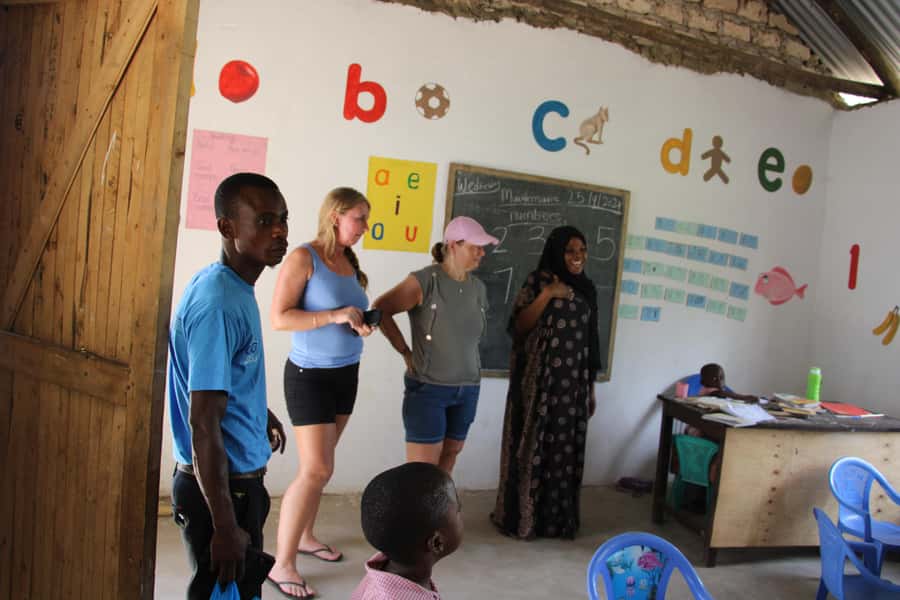
The next stop is a community school shaded by a large baobab tree. Depending on the time of day, you may meet cheerful students and speak with them during the visit. This can be one of the most moving parts of the afternoon, particularly if you arrive prepared to give useful, modest supplies.
Small items such as pencils, notebooks, crayons, stickers, balls, toys, sweets, or clothes are welcomed. You should bring these only if you are comfortable doing so, and give them through the guide or school contact in a respectful way. Some visitors also choose to offer financial help to the school, but this is an optional personal decision, not something you need to promise.
This stop calls for good judgment. A school visit should be about meeting people and learning, not turning children into a photo opportunity. Ask before taking pictures, listen to the guide, and let the children set the tone where possible.
Madafu, palm wine, and a family kitchen
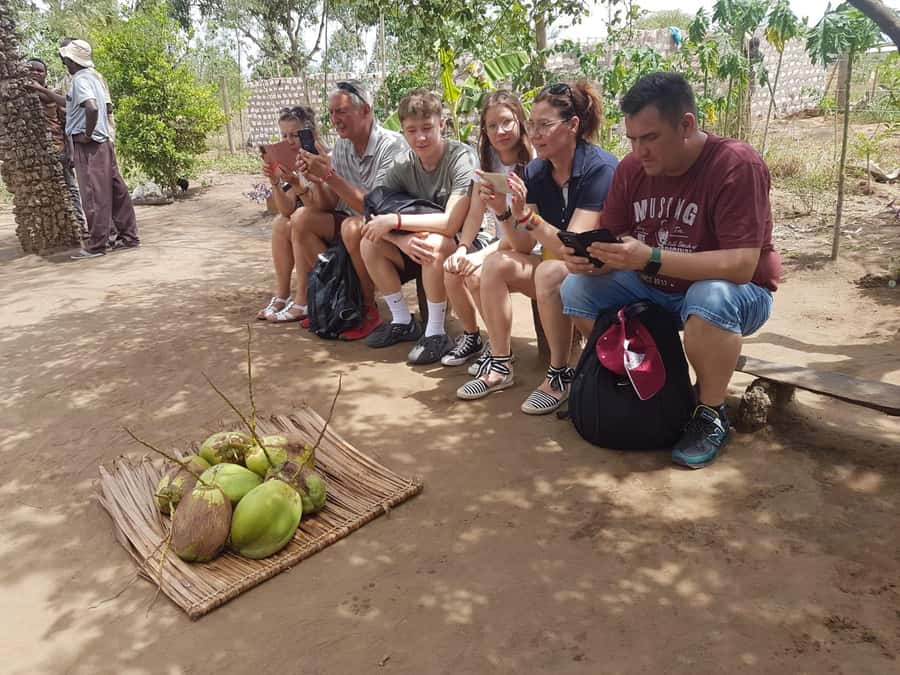
At a local homestead, you can drink madafu, fresh coconut water, and hear about its use and health value. A host may climb a coconut tree to show how coconuts are harvested. You can also learn about palm wine tapping, with a tasting included in the experience.
This is one of the tour’s most memorable details because it turns a familiar tropical product into a lesson about local skills. You see how the coconut connects to food, drink, work, and household life. The demonstration also helps explain why palms matter so much in coastal communities.
If timing allows, you might help prepare cashew nuts or ugali. Ugali is a staple dish made from a grain-based mixture, and the preparation gives you a direct way to take part rather than simply watch. Food is not included in the tour price, so clarify what you will be tasting or eating before the visit. Some experiences may include a small sample or shared meal, but you should not assume that every meal is covered.
The family visit is especially worthwhile if you are curious about kitchens, routines, and home life. You may be welcomed inside and shown how food is prepared. Keep in mind that you are entering someone’s home, so a patient, polite approach matters more than trying to see everything quickly.
A completely different kind of day:
- Full Day Dolphin Watching with Snorkeling in Wasini
★ 5.0 · 88 reviews - Diani Beach: Glass Boat Cruise to Robinson Island
★ 4.6 · 69 reviews - Diani: Sunset Canoe Tour along the River with Mangroves
★ 4.8 · 65 reviews - Day Trip – Tsavo East National Park ( Man Eater Lions of Tsavo & Other Big Five)
★ 4.5 · 55 reviews
Learning from the traditional healer
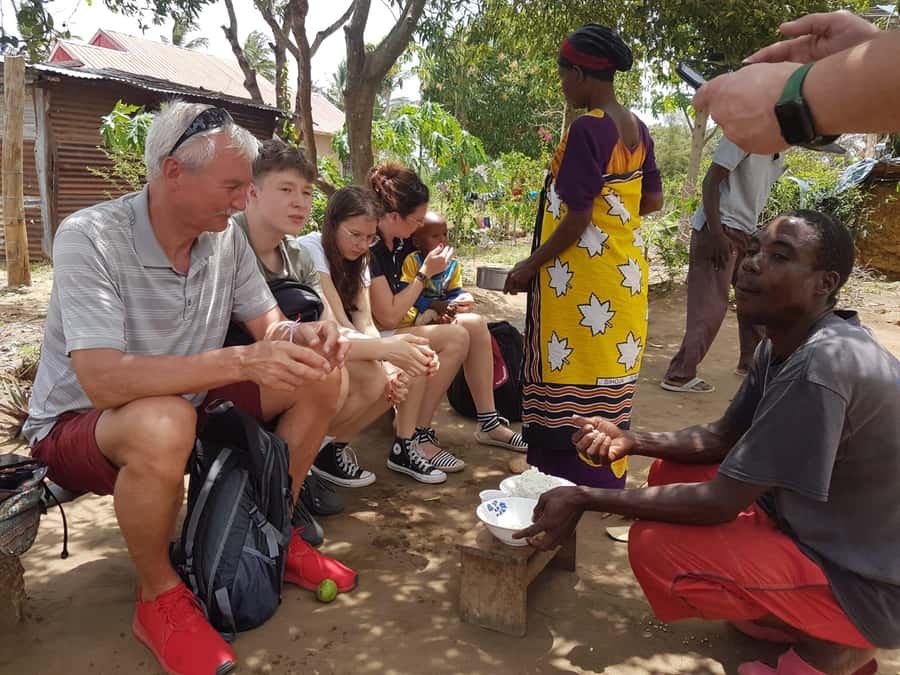
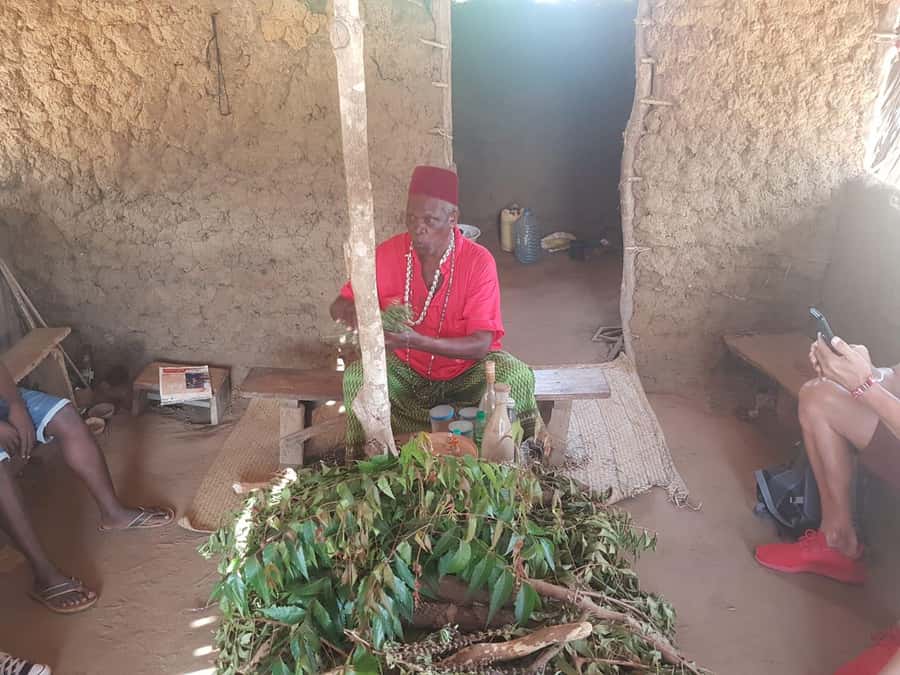
The visit to the traditional healer, or mganga, adds an important layer to the tour. You can hear how indigenous herbs are used for different ailments, how remedies are prepared, and how this knowledge has been handed down through generations.
This is not presented as a replacement for modern medical treatment, and you should treat the information as cultural knowledge rather than medical advice. Still, it offers a valuable look at how health care and plant knowledge have been understood within the community.
The healer stop tends to appeal to people who enjoy conversations about customs and local practice. It may be less interesting if you want only entertainment, but it gives the village visit more substance. I would allow time to listen carefully rather than rushing toward the dance arena.
Giriama dances with room to join
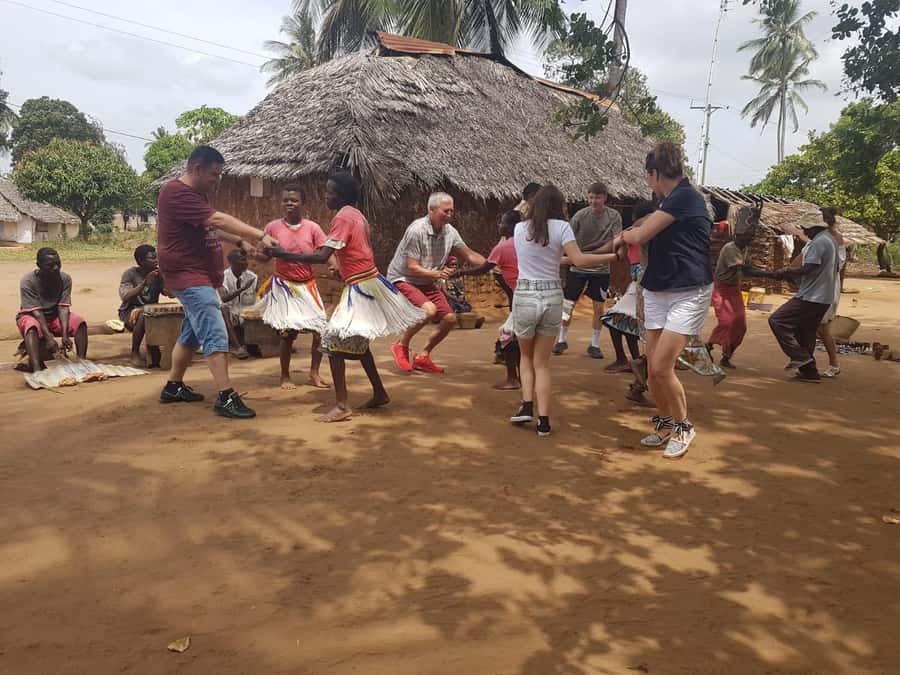
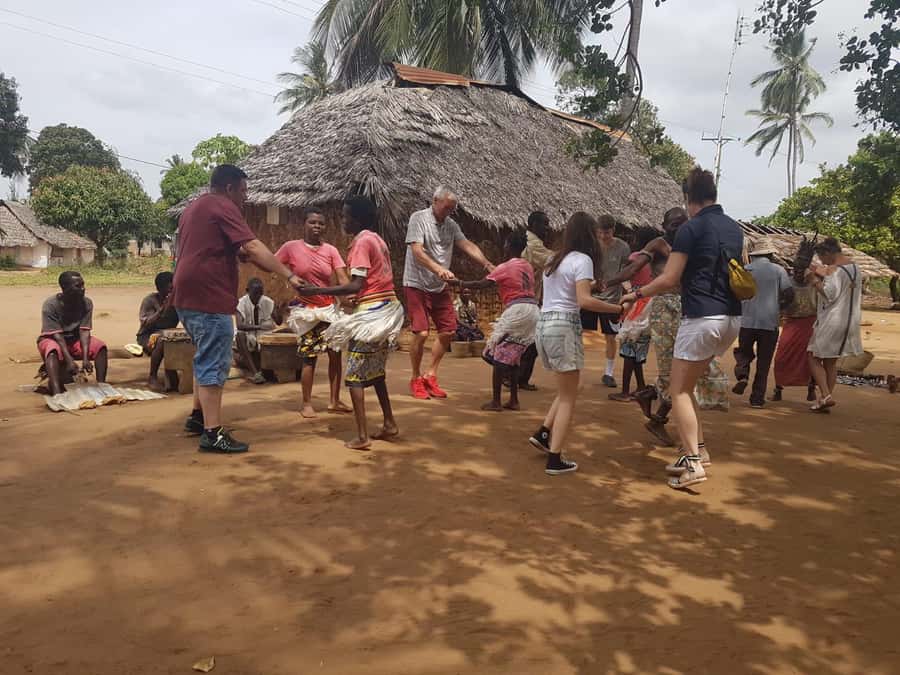
The final stop is the dance arena, reached through narrow village lanes. Around 12 dancers perform in harmony, using movement and rhythm to tell stories linked to weddings, celebrations, and farewells. The hosts may also invite you to dance.
This is a social gathering rather than a formal theater production. The best moments may come when the boundary between audience and performer disappears and you join the circle, laugh with the dancers, and try to follow the rhythm. Traditional attire is included, which can make participation more fun and help you feel part of the event.
You should keep expectations realistic. One person who enjoyed the cooking and healer visit felt the dance section could be improved, suggesting that the performance may not always feel as strong as the rest of the tour. The show can vary with the group, timing, and mood of the gathering. If you want professional choreography, this may not satisfy you. If you want a friendly local celebration where you can take part, it has more appeal.
The value of the $35 price
At $35 per person, the tour offers a fair amount for three hours. You receive a village walk, a traditional healer visit, palm wine tasting, local dances, traditional attire, and a guide who helps explain what you are seeing. You can also use your own camera or phone while the provider takes professional photos with your equipment.
The price becomes less simple once transport is added. Hotel pickup, waiting time, and return transfer are not included in the base cost. A sedan can be arranged for an extra $40, or a tuk-tuk for $25, though the final cost depends on your hotel location. Confirm this before booking, since the transfer may change the total more than the headline price suggests.
Food and drinks are also excluded. Madafu and palm wine are part of the stated experience, but you should ask what food, if any, is available at the homestead and what it will cost. Bring some spare cash if you want to buy souvenirs or contribute to the school or community.
The strongest value comes from the range of contact you get in a short period. You are not paying only for a dance show. You are paying for access, interpretation, a host connection, and several chances to take part in ordinary activities.
Guides, drivers, and the human side
Good guiding matters a great deal on a village visit. Samson receives special praise for being friendly, helpful, and clear throughout the day. Salim, a driver mentioned alongside him, also helped make the experience comfortable and well organized.
That personal care is important because cultural visits can feel awkward without someone to explain local manners. A good guide helps you know when to ask questions, when to wait, how to approach the school, and how to respond to requests for gifts or support.
The tour is offered in English and German. Free walking tours are also available on Tuesdays and Thursdays if arranged with the provider, but you should communicate directly to confirm the details and whether that option fits your schedule.
Practical points that affect your day
Transport needs careful attention. The activity information refers to pickup, but the cost details make clear that hotel transfers are an extra service. You must have a vehicle arranged to collect you, take you through the village, and return you to your hotel. If pickup is arranged, wait in the hotel lobby 10 minutes before the agreed time.
Wear comfortable shoes. You will walk through the market and village lanes, and the route may include uneven ground. Bring water, sun protection, and a small amount of cash for optional purchases or contributions, though only comfortable, planned giving is necessary.
The activity information also contains conflicting accessibility details. One section describes the tour as wheelchair accessible, while another says it is not suitable for wheelchair users. Because the route includes village walking and narrow lanes, anyone with mobility needs should contact Kaaribu Experiences before paying and ask for a clear answer about the exact route and vehicle.
Alcohol and drugs are not allowed. Free cancellation is available up to 24 hours before the activity, and you can reserve now and pay later if that option is offered at booking.
Who will enjoy this village experience?
I would recommend this tour to you if you want direct contact with local people and do not mind a little uncertainty in the schedule. Families may enjoy the cooking, dance, and school elements, while curious adults will get more from the market, healer, and conversations.
It suits visitors staying near Diani who want to balance beach time with a cultural outing. It is also a good fit if you prefer participation over passive sightseeing. Bring a willingness to dance badly, taste unfamiliar things, and listen without comparing village life to your own.
You may want to skip it if you need strict timing, a polished stage show, or a fully packaged meal and transfer. The performance may be the least consistent part, and the extra vehicle charge means the final cost requires planning.
Should you book the Giriama village tour?
Book it if the village visits, family cooking, traditional healer, and personal contact appeal to you more than a polished cultural show. The strongest parts are the range of activities, the warmth of the hosts, and the chance to see a side of the Kenyan coast that a resort holiday cannot provide.
Before booking, confirm the transfer price, food arrangements, group details, accessibility, and the expected time at the dance arena. Bring small educational supplies only if you genuinely want to share them, and carry spare cash for optional souvenirs or community support. With those points settled, this is a thoughtful, good-value outing for anyone who wants a more grounded Diani experience.
FAQ
How long does the Giriama cultural tour last?
The tour lasts three hours. Starting times depend on availability.
How much does the experience cost?
The listed price is $35 per person. Hotel pickup, waiting, and drop-off are not included.
Is hotel transportation included?
No. You must arrange a vehicle to take you from your hotel through the village and back. A sedan can be arranged for an extra $40, or a tuk-tuk for $25, with the final cost depending on your hotel location.
What language is the tour offered in?
Live guiding is available in English and German.
What should I bring?
Bring comfortable shoes. Small school supplies or simple gifts for children are also welcome, including pencils, toys, balls, sweets, crayons, stickers, notebooks, and clothes.
Is food included?
No. Food and drinks are not included in the tour price. Madafu and palm wine tasting are included as listed parts of the experience.
Can I take part in the dancing?
Yes. You may be invited to join the Giriama dancers and take part in the celebration.
What is a traditional healer visit?
You visit a mganga who explains how indigenous herbs are prepared and used for various ailments, and how this knowledge has been passed down.
Is the tour suitable for wheelchair users?
The activity information gives conflicting answers. One section says wheelchair accessible, while another says it is not suitable for wheelchair users. Contact the provider before booking to confirm the route and access arrangements.
Can I cancel the booking?
You can cancel up to 24 hours in advance for a full refund. A reserve-now, pay-later option is also available when offered during booking.
Just added in Diani Beach
- 10-Days Kenya Wildlife Private Safari and Mombasa Diani Beach Holidays★ 5.0 · 5 reviews
- 4 Days Diani Beach Holiday Package with SGR Train ( minimum 2 persons)★ 5.0 · 1 review
- 3 Day Tour to Amboseli Tsavo West & East to Mombasa/Diani/Nairobi★ 5.0 · 1 review
- 2 Days Private Safari in Tsavo from Diani Beach with Pick Up★ 4.5 · 4 reviews
- Mombasa & Diani: Group Day Trips to Tsavo Park★ 5.0 · 2 reviews
- From Mombasa Airport: Diani transfer in a minivan (5 pax)★ 4.5 · 13 reviews
- Day Tour to Tsavo East National Park from Mombasa or Diani★ 5.0 · 5 reviews
- Overnight Safari to Tsavo East National Park from Mombasa/Diani★ 5.0 · 4 reviews
Show, compared.
Kenya: Maasai Village Visit with Traditional Dance Show
Read our review →



Nairobi Bomas Cultural Dance Show & Dinner Carnivore Restaurant
Read our review →
Safari Park Hotel Show & Dinner Experience In Nairobi Tour
Read our review →Browse the lists this tour appears in