Reviewed · MAASAI MARA TOURS
8 Days / 7 Nights 2021 / 2022 Wildebeest Migration Safari – Maasai Mara Reserve
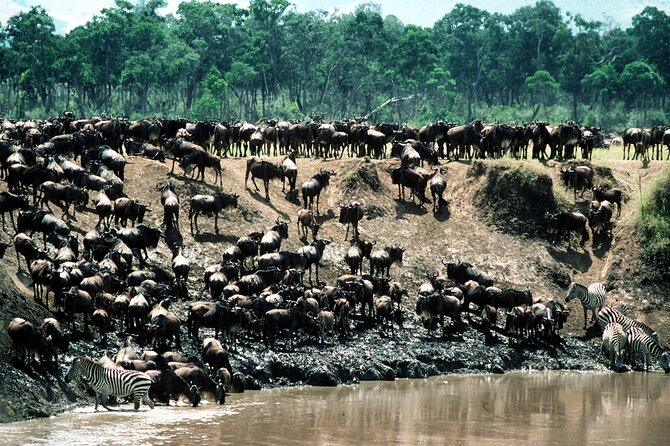
The Mara River is nature at full volume. This eight-day Kenya safari combines the wildebeest migration with three very different wildlife areas, beginning in Nairobi and ending in the Maasai Mara. You get sweeping Rift Valley views, unusual northern species in Samburu, flamingo country at Lake Nakuru, and several game drives in Kenya’s best-known reserve.
I like the route for two reasons. First, it gives you more than a single park and more than one type of safari scenery. Second, the final three days in the Maasai Mara give you time for repeated game drives, which matters when animals follow their own schedule, not yours.
The main drawback is the amount of road travel. Samburu, Lake Nakuru, and the Maasai Mara are far apart, so some days are built around transfers rather than wildlife viewing. The migration itself is also seasonal and unpredictable, so a July to September departure improves your chances but cannot promise a river crossing.
In This Review
- Key points to know before booking
- Nairobi at 6,130 feet: A practical first night
- Mount Kenya and the road north to Samburu
- Samburu’s unusual animals and dry-country scenery
- Lake Nakuru and the Great Rift Valley
- Entering the Maasai Mara on Day 5
- Three days of game drives in the Maasai Mara
- Meeting the Maasai and understanding the setting
- Hotels, meals, and the private van setup
- Is $2,128 per person good value?
- Who will enjoy this safari most?
- Should you book the 2021 or 2022 style itinerary?
- FAQ
- Where does the safari start?
- How long is the safari?
- Which parks and reserves are included?
- When is the best time to see the wildebeest migration?
- What is included in the price?
- What is not included?
Key points to know before booking
- The safari begins and ends in Nairobi: Pickup starts at Jomo Kenyatta International Airport at 8:00 a.m., with the return transfer to the airport on Day 8.
- Samburu adds rare northern species: Look for Grevy’s zebra, reticulated giraffe, gerenuk, and Somali ostrich.
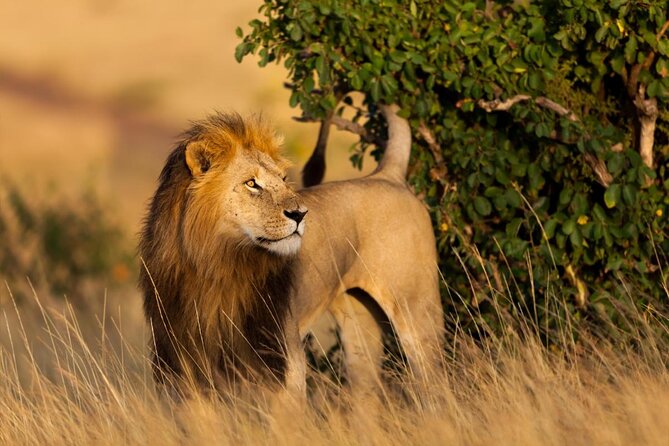
- The Maasai Mara gets three days: Morning and afternoon drives provide the best chance of finding predators, herds, and river wildlife.
- The migration is seasonal: The main viewing period described is early July through late September, but animal movements change from year to year.
- Transport is by customized tour van: This is a private activity for your group, with an English-speaking guide.
- The price includes core safari costs: At $2,128 per person, transport, taxes, park-related fees, guiding, and five breakfasts, five lunches, and five dinners are included.
Nairobi at 6,130 feet: A practical first night
Your safari starts in Nairobi, where you are met at the airport and taken to the Tamarind Tree Hotel. The city sits at about 6,130 feet, or 1,870 meters, giving it a mild climate compared with many other parts of Kenya. That high elevation is useful to keep in mind on arrival, especially if you have just stepped off a long international flight.
This first day is less about sightseeing and more about getting organized. African Authentic Safaris representatives assist with hotel check-in, and a tour manager gives a safari briefing in the evening. That briefing is valuable because the following days involve long drives, early game viewing, and several different lodging stops.
The airport pickup is a good feature if Nairobi is new to you. You do not need to arrange a separate transfer after an overnight flight. The tour is listed as land-only, so your international airfare is not part of the price, and you need to plan your arrival around the 8:00 a.m. meeting time.
More Maasai Mara safaris:
- 3 Days Masai Mara Group Joining
★ 5.0 · 486 reviews - 5 Days Masai Mara, Lake Nakuru & Naivasha Budget Joining Safari
★ 5.0 · 229 reviews - 3 Days Gamedrive Safari In Masai Mara From Nairobi
★ 5.0 · 207 reviews
Mount Kenya and the road north to Samburu
Day 2 takes you north toward Samburu National Reserve, with Mount Kenya providing the major visual landmark along the way. At 17,000 feet, or 5,199 meters, it is Africa’s second-highest mountain. Its snow-covered peaks and worn slopes affect the surrounding climate and dominate the countryside as you drive past.
The route also crosses the Equator into Kenya’s northern hemisphere. That is a small but memorable moment, and the change in scenery gives this safari a useful sense of progression. The greener central highlands gradually give way to the more semi-desert setting around Samburu.
The itinerary describes this as a two-hour stop, but the overall day is clearly a transfer day. You should expect time on the road, not a full day of game viewing. If you prefer a safari with minimal driving, this route may feel demanding. If you want a broader look at Kenya, the journey earns its place because Samburu offers animals and scenery you are less likely to find in the Maasai Mara.
Samburu’s unusual animals and dry-country scenery
Samburu National Reserve covers about 40 square miles, or 104 square kilometers. It is smaller than Kenya’s major southern reserves, but its dry setting and species mix make it a strong contrast to the Mara’s open grasslands.
Ololokwe Table Mountain forms a dramatic backdrop during game drives. Early morning and afternoon drives are planned for Day 3, giving you two chances to find wildlife when conditions are more favorable. The split schedule also leaves the middle of the day for rest at the lodge, when heat can make animal activity less predictable.
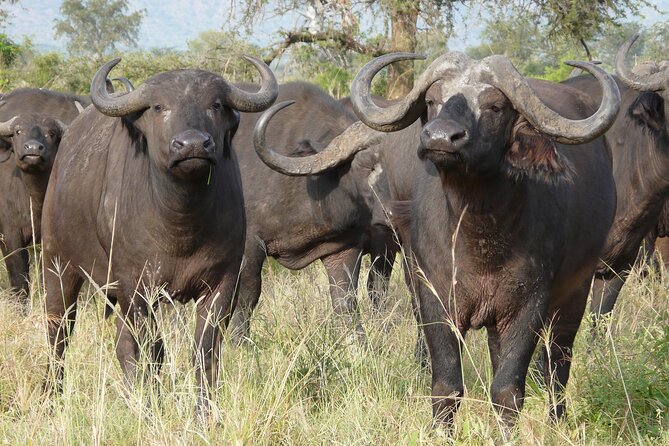
You may see elephants, warthogs, and buffalo, but Samburu’s real appeal is its northern specialists:
- Grevy’s zebra, with narrow, closely spaced stripes
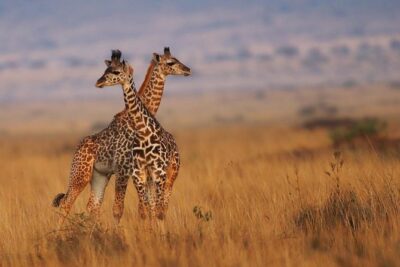
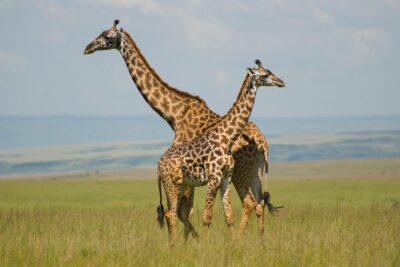
- Reticulated giraffe, one of Kenya’s three giraffe species
- Gerenuk, known for its long neck and upright feeding posture
- Somali ostrich, described here as blue-legged
These animals give Samburu a clear purpose in the route. You are not simply repeating the same wildlife experience in a second park. The reserve adds variety before the safari moves south.
The tradeoff is that Samburu is a long way from the Maasai Mara, and the roads between parks take time. Still, I would keep this stop if your priority is seeing a wider range of Kenyan wildlife rather than rushing straight to the migration zone.
Lake Nakuru and the Great Rift Valley
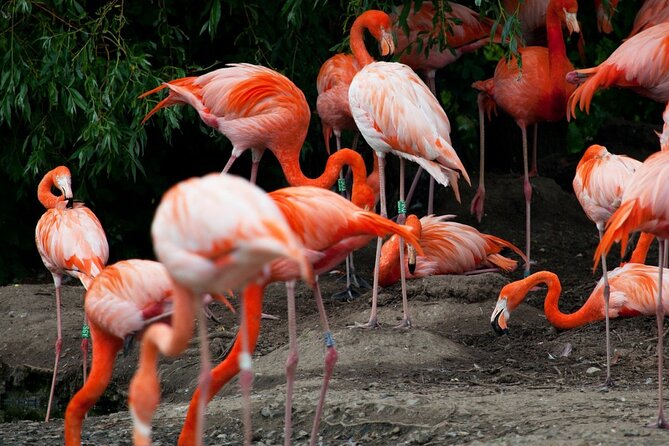
Day 4 heads to Lake Nakuru National Park through the scenic uplands. Weather permitting, you get panoramic views down into the Great Rift Valley, which lies about 600 meters below the road. This is one of the route’s best non-wildlife moments, so keep your camera ready during the transfer.
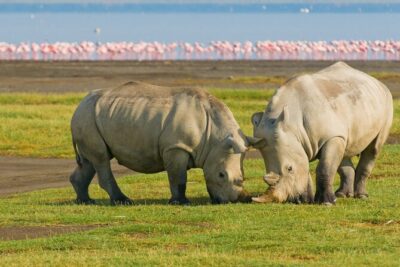
Lake Nakuru is known as a bird sanctuary and can be a seasonal home to millions of flamingos. The exact number and visibility depend on conditions, but the lake adds a completely different setting to your safari. After the dry country around Samburu, the water and birdlife create a welcome change.
The afternoon is set aside for game and bird viewing around the lake shores. You spend the night at Winston Hotel. Like Samburu, Lake Nakuru is a short stop rather than a long stay. You should see it as a carefully chosen midpoint between northern and southern Kenya, not as a full park exploration.
The itinerary gives this stop about two hours, so expectations matter. You may get a pleasant glimpse of the lake and its wildlife, but you will not have the same amount of time here as in the Mara. The reward is variety and a scenic break in the journey.
A few more options to weigh up in Nairobi
- Nairobi National Park Half-Day Tour; Free Wi-Fi connection
★ 5.0 · 878 reviews - Nairobi: National Park & Optional Elephants & Giraffe Center
★ 4.8 · 874 reviews - NAI NAMI: Nairobi Storytelling Tour with Street Children
★ 5.0 · 792 reviews - Nairobi National Park Half-Day Game Drive
★ 4.5 · 738 reviews
Entering the Maasai Mara on Day 5
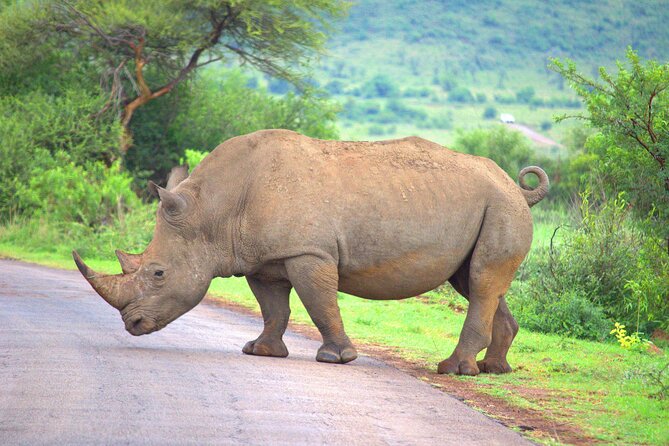
After breakfast, you continue south into the Great Rift Valley and toward the Maasai Mara National Reserve. Lunch comes before the first afternoon game drive, which means you reach the main wildlife area with enough time to begin looking for animals on arrival.
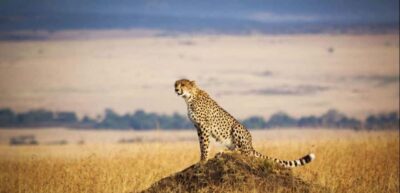
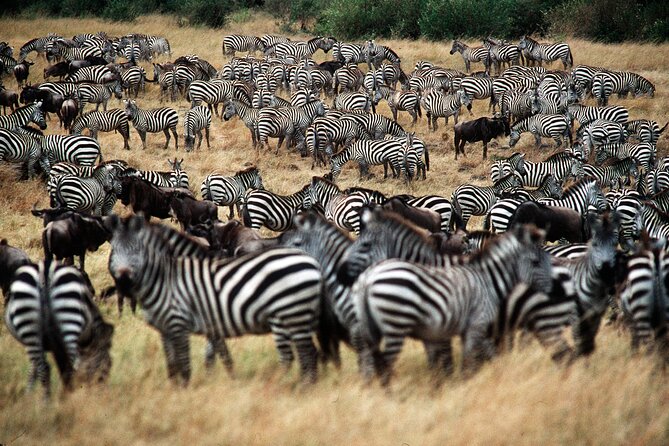
The Maasai Mara forms the northern section of the Serengeti Plain. It is famous for its large concentrations of game and for the annual movement of wildebeest, zebra, and gazelle. Lions, leopards, cheetahs, hyenas, and scavenger birds follow the herds, creating the predator action that makes migration season so compelling.
The phrase migration safari can create unrealistic expectations. You may see enormous herds without seeing a river crossing. The timing of the crossing depends on rainfall, river conditions, herd movement, and chance. The tour gives you three days in the Mara, which improves your odds of seeing major activity, but no responsible safari operator can guarantee the most famous moment.
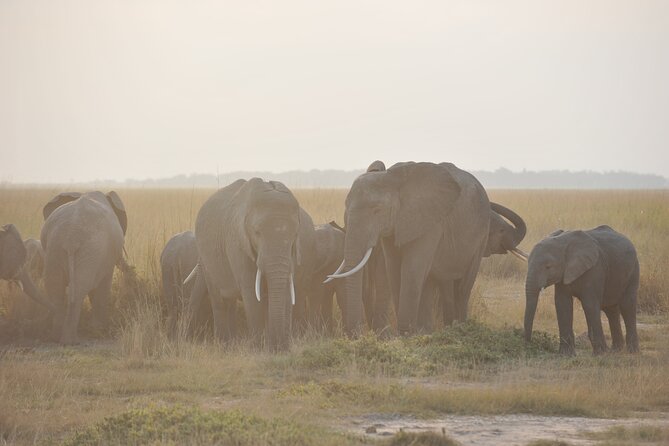
That uncertainty is part of the experience. The Mara is still worthwhile when the herds are spread across the plains. You can focus on individual animals, predator behavior, elephants, buffalo, rhinos, gazelles, zebras, and the broad sweep of the reserve.
Three days of game drives in the Maasai Mara
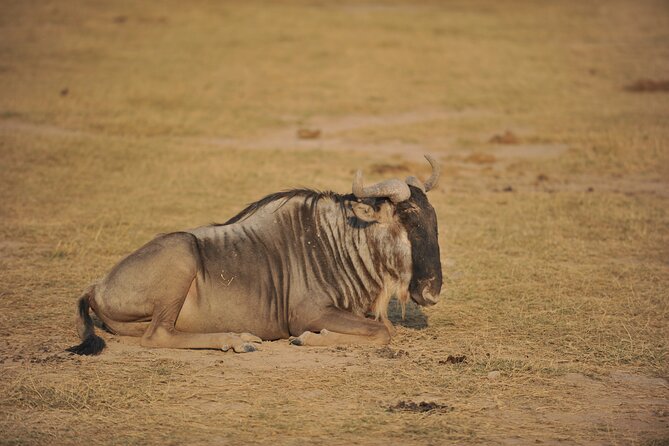
Days 6 and 7 include morning and afternoon game drives, with the first full day also including a visit to a section of the Mara River at sunset. The two-drive rhythm is sensible. Morning drives can offer cooler conditions and active animals, while afternoon drives lead into the evening when the light changes and the day’s heat eases.
The Mara is the safari’s main event, so the schedule wisely gives it the most time. You are not forced to settle for one rushed drive after a long transfer. Two full days plus the arrival afternoon allow your guide to search different areas and adjust plans according to wildlife sightings.
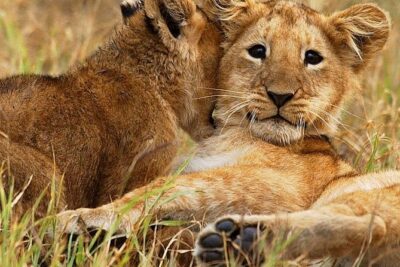
The open grasslands support an impressive mix of animals. You may encounter lions, elephants, rhinos, buffaloes, wildebeest, gazelles, and zebras. Leopards, cheetahs, hyenas, and birds of prey are also part of the migration story, though sightings are never guaranteed.
The sunset stop near the Mara River focuses on hippos. It is not the same as watching wildebeest cross, but it gives you a chance to see another important river species in a quieter setting. If you are hoping specifically for a crossing, ask your guide how current herd movements are shaping the day’s search.
The schedule lists four hours for the full-day game-drive sections, even though it also describes morning and afternoon drives. Confirm the exact daily driving pattern with the operator before departure, since the published timing may not show every hour spent in the reserve.
Meeting the Maasai and understanding the setting
The Mara is not only about animals. The itinerary includes an encounter with the Maasai, a proud community working to preserve traditions while facing modern pressures. This gives the safari a human dimension, although the information provided does not specify the exact format, location, or length of the visit.
You should ask what is included before you go. A meaningful cultural stop depends on the quality of the local connection and on how respectfully the visit is organized. It is worth treating the Maasai encounter as more than a photo opportunity, and listening to the explanation of how local communities live alongside the reserve.
The reserve’s name is often written both Maasai Mara and Masai Mara. The reference is to the Maasai people and the Mara region. Knowing this helps you follow the route and understand why the cultural element belongs in this safari rather than feeling like an unrelated add-on.
Hotels, meals, and the private van setup
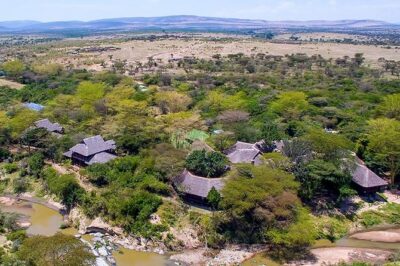
The listed accommodations include the Tamarind Tree Hotel in Nairobi, Winston Hotel near Lake Nakuru, and AA Mara Lodge in the Maasai Mara. The Samburu lodging is not named in the supplied details. Previous feedback gives strong praise to the accommodation arrangements, but you should still request the full hotel list and room details before paying a deposit.
Transport is in a customized tour van. The trip is private, meaning only your group participates, rather than joining a large shared coach. That can be a real advantage on game drives because you have a more direct relationship with your guide and do not need to coordinate with unrelated passengers.
The package includes all fees and taxes, an English-speaking guide, and five breakfasts, five lunches, and five dinners. The meal count does not match the eight days exactly, so ask which meals are covered on each date. Drinks, laundry, telephone use, tips, and personal expenses are extra.
The van format is practical for this itinerary, but road conditions and long distances can make the transfers tiring. Pack light, keep essential items close during drives, and carry any personal medication in your day bag rather than in checked luggage.
Is $2,128 per person good value?
At $2,128 per person, this is not a budget weekend safari. It is an eight-day, seven-night route covering Nairobi, Samburu, Lake Nakuru, and the Maasai Mara, with private transport, a guide, park-related costs, and a substantial number of included meals.
I see the value in the range of the route. You get northern specialty animals in Samburu, flamingos and Rift Valley scenery at Lake Nakuru, and the main migration experience in the Mara. A shorter trip might cost less, but it would also give you fewer chances to see the different sides of Kenya.
The price is harder to judge if you want a luxury lodge holiday with little driving. The package uses a customized tour van and includes standard listed hotels rather than naming high-end tented camps throughout. Ask about the exact room category, vehicle setup, park fees, and meal schedule before booking.
Strong praise for planning, transport, game drives, and staff support suggests that the operator’s organization is one of the package’s better features. Assistance with required COVID-19 testing was also arranged on at least one recent trip, though health rules can change and should be checked again before departure.
Who will enjoy this safari most?
I would recommend this trip to someone visiting Kenya for the first time who wants a broad introduction rather than a single-reserve stay. It suits people who value a planned route, private participation, an English-speaking guide, and enough Mara time to make repeated wildlife searches possible.
It is also a good fit for wildlife enthusiasts who want more than the Big Five checklist. Samburu’s Grevy’s zebra, reticulated giraffe, gerenuk, and Somali ostrich give the journey a stronger species focus.
You may want a different plan if your priority is a slow, luxury stay in one camp, or if long road transfers are a major concern. You should also avoid booking solely for a guaranteed wildebeest river crossing. The safari places you in the right region at the right season, but nature controls the timetable.
The cancellation terms are friendly: cancellation at least 24 hours before the start time qualifies for a full refund. Cancellations or changes within 24 hours are not refunded, and poor weather may lead to a different date or a full refund.
Should you book the 2021 or 2022 style itinerary?
This route makes sense if you want a classic Kenya safari with strong variety and a clear climax in the Maasai Mara. Samburu prevents the trip from becoming a one-note migration chase, Lake Nakuru breaks up the drive south, and three Mara days give you a fair chance at memorable wildlife scenes.
Before booking, confirm the current departure year, hotel names, meal schedule, exact drive times, and what the Maasai visit includes. Ask how the operator handles changing migration conditions, since a good guide should explain what is happening on the ground rather than promise a staged spectacle.
Book it if you are comfortable with road travel and want a well-organized first safari at a midrange price. Skip it if you need a guaranteed river crossing, a short transfer schedule, or a fully luxury camp experience. For the right kind of safari-goer, this is a well-planned way to meet Kenya’s wildlife from north to south.
FAQ
Where does the safari start?
The safari starts at Jomo Kenyatta International Airport in Nairobi, Kenya. The stated start time is 8:00 a.m.
How long is the safari?
The experience lasts eight days and seven nights.
Which parks and reserves are included?
The route includes Nairobi, Samburu National Reserve, Lake Nakuru National Park, and Maasai Mara National Reserve.
When is the best time to see the wildebeest migration?
The migration period described for this safari runs from early July through late September. River crossings are seasonal and cannot be guaranteed.
What is included in the price?
The package includes customized tour-van transport, all fees and taxes, an English-speaking guide, five breakfasts, five lunches, and five dinners.
What is not included?
Tips and gratuities, visa fees, drinks, laundry, telephone charges, and other personal costs are not included.
Just added in Nairobi
- Wildlife Capital: Half-Day Safari at Nairobi National Park★ 5.0 · 2 reviews
- 3 days maasai mara migration safari★ 4.5 · 7 reviews
- 4 Days Tour Landcruiser in Masai Mara and Lake Nakuru★ 5.0 · 10 reviews
- 4 Days Safari to Lake Nakuru N/P and Maasai Mara N/R★ 5.0 · 18 reviews
- Day Tour to Nairobi national park, Elephants, and Giraffe Center★ 3.5 · 8 reviews
- 6 Days Kenya Budget Group Safari★ 5.0 · 2 reviews
- Maasai Mara Day Trip★ 5.0 · 15 reviews
- 3 Days Masai Mara Wildebeest migration Budget safari★ 5.0 · 2 reviews
Maasai Mara Tours, compared.
5 Days Masai Mara, Lake Nakuru & Naivasha Budget Joining Safari
Read our review →
3 Days Gamedrive Safari In Masai Mara From Nairobi
Read our review →