Reviewed · PRIVATE
12 Days Kenya and Tanzania Budget Private Safari from Nairobi
Big cats, crater floors, and open plains await. This 12-day private safari links Kenya’s Rift Valley parks with Tanzania’s Serengeti, Ngorongoro Crater, Lake Manyara, and Tarangire, giving you a broad East African wildlife experience without planning every transfer yourself. I especially like the mix of classic game viewing and local culture, including a Maasai village visit, and I like that park fees, meals, airport transfers, and a pop-up-roof safari vehicle are included. The main trade-off is pace: you cover a lot of ground, and the Kenya to Tanzania border crossing plus several long drives can make some days tiring.
The 4.9 rating from 28 reviews and 100 percent recommendation rate reflect the tour’s strongest feature: its people. Guides such as George, Godson, Shadrack, and Sereva receive repeated praise for their care and wildlife knowledge, while private cook Christian is singled out for his food. Still, guide quality and driving style can vary, so I would confirm who will lead each section and make comfort and safe driving clear before departure.
In This Review
- Key things to know before you book
- What $3,708 includes, and what it really buys
- Day 1: Start gently in Nairobi
- Day 2: Rift Valley views, Hell’s Gate, and Lake Naivasha
- Day 3: Rhino country at Lake Nakuru
- Day 4: Entering Maasai Mara
- Day 5: The Mara River and Maasai culture
- Day 6: Crossing from Kenya into Tanzania
- Days 7 and 8: The Serengeti’s open country
- Day 9: A full day inside Ngorongoro Crater
- Day 10: Lake Manyara beneath the Rift Wall
- Day 11: Tarangire and the route to Arusha
- Day 12: Returning to Nairobi, or flying from Kilimanjaro
- Guides, vehicles, and the practical side
- Who should choose this safari?
- Should you book the Kenya and Tanzania safari?
- FAQ
- How long is the safari?
- Where does the safari begin?
- Which parks and reserves are included?
- Is transport included?
- Are national park entrance fees included?
- What accommodation is provided?
- Can I avoid returning to Nairobi at the end?
- Is biking at Hell’s Gate required?
Key things to know before you book
- Two countries in 12 days: You visit Lake Naivasha, Hell’s Gate, Lake Nakuru, Maasai Mara, Serengeti, Ngorongoro, Lake Manyara, and Tarangire.
- A real private safari setup: Your group travels in a customized vehicle with a pop-up roof for game viewing and photography.
- Camping is part of the budget: Kenya includes a furnished tent with a bed, mosquito net, electricity, and hot water. Tanzania uses a tent and sleeping bag unless you pay for an upgrade.
- A guide handles the complicated parts: Park fees, border arrangements, meals, transfers, and accommodation are included in the stated price.
- You get unusual variety: Hell’s Gate offers biking or walking near wildlife, while Ngorongoro delivers a full day on a crater floor.
- The end of the trip is flexible: You return by luxury shuttle from Arusha to Nairobi, or you can arrange departure from Kilimanjaro International Airport.
What $3,708 includes, and what it really buys
At $3,708 per person, this is not a cheap quick safari. It is a substantial 11-night trip that crosses an international border and visits eight major stops. The price includes accommodation, national park entrance fees, bottled water, a professional driver-guide, a customized safari vehicle, airport pickup and drop-off, and 11 breakfasts, 10 lunches, and 11 dinners.
That package matters because park fees and transport can quickly add up in Kenya and Tanzania. You are also paying for someone else to manage the route, border crossing, camp arrangements, and daily timing. For a first safari, that practical help has real value.
The budget label is most accurate in Tanzania, where the standard arrangement includes a tent and sleeping bag. The Kenya camp at Lenchada is more comfortable, with a bed, mosquito net, bathroom, electricity, and hot water. You can pay an extra $400 per person to upgrade two nights in the Serengeti and one night near Ngorongoro to luxury lodging.
Alcohol is not included, though it can be purchased. A hot-air balloon safari is also optional and must be arranged separately. Before paying, ask exactly which accommodation category you are choosing, because the difference between a basic tent and a lodge is significant after a long day on rough park roads.
A few more options to weigh up in Nairobi
- Nairobi National Park Half-Day Tour; Free Wi-Fi connection
★ 5.0 · 878 reviews - Nairobi: National Park & Optional Elephants & Giraffe Center
★ 4.8 · 874 reviews - NAI NAMI: Nairobi Storytelling Tour with Street Children
★ 5.0 · 792 reviews
Day 1: Start gently in Nairobi
Your arrival transfer from Jomo Kenyatta International Airport takes you to the Ibis Style Hotel. The first day is intentionally light, giving you time to check in, rest, and get oriented with your guide.
If you arrive in the morning, the operator can arrange a Nairobi activity. The choices listed include the Giraffe Centre, the Nairobi National Museum, and dinner at Carnivore. I like this flexibility because an early arrival otherwise leaves an awkward empty day.
Do not feel obliged to add an activity if you are tired from an international flight. A rested start will help, since the following days involve early departures, game drives, and plenty of time in the vehicle.
Day 2: Rift Valley views, Hell’s Gate, and Lake Naivasha
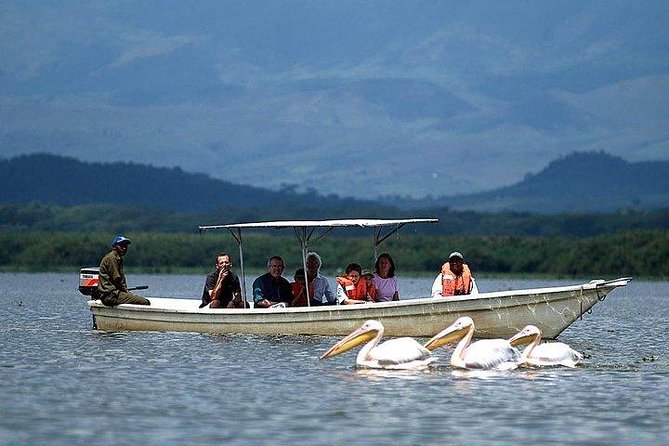
The safari begins with a stop at the Great Rift Valley viewpoint. You get about 20 minutes for photographs and a first look at the enormous geological trench stretching from the Middle East toward Mozambique. It is a short stop, but it gives useful context for the lakes, cliffs, and volcanic country ahead.
Hell’s Gate National Park provides a welcome change from the usual vehicle-only safari. Bikes are supplied, and you can cycle near wildlife before walking through the gorges. If biking is not suitable for you, the operator offers a car-based game drive instead.
This is one of the tour’s most distinctive days. You are not simply watching scenery through a vehicle window. You have the option to move through the park under your own power, although you should choose the car option if cycling or walking is uncomfortable.
Later, you take an hour-long boat ride on Lake Naivasha. The whole day lasts about eight hours, including roughly three hours at Hell’s Gate. The mix of Rift Valley scenery, biking or a game drive, gorge walks, and a lake outing makes this a varied opening to the safari.
Day 3: Rhino country at Lake Nakuru
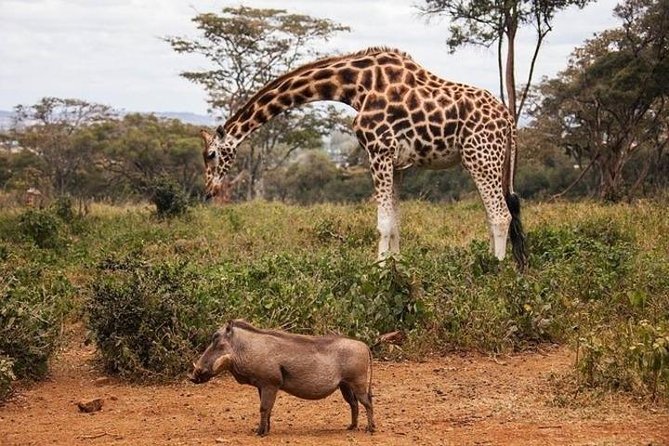
You leave in the morning for Lake Nakuru National Park, with the day focused on a full game drive and a picnic lunch. The park is particularly important for black rhino, an endangered species and one of the animals often included in the Big Five list.
A stop at Makalia Waterfalls adds a short walk and time for photographs. It lasts about 20 minutes, so think of it as a pleasant pause rather than a major hike.
Lake Nakuru is a good place to keep expectations realistic. The stated goal is a special sighting of black rhino, but wildlife is never guaranteed. The value here is the chance to search for a rare animal within a full day of park viewing, rather than rushing through for a quick photograph.
More safaris in Nairobi:
- Safari Tour; Nairobi National Park
★ 4.5 · 594 reviews - Half-Day Nairobi National Park Safari from Nairobi with Free Pickup
★ 4.5 · 264 reviews - 5 Days Masai Mara, Lake Nakuru & Naivasha Budget Joining Safari
★ 5.0 · 229 reviews - 3 Days Gamedrive Safari In Masai Mara From Nairobi
★ 5.0 · 207 reviews
Day 4: Entering Maasai Mara
Day four takes you to the Maasai Mara National Reserve. Lunch is served on arrival, followed by camp check-in and a two-hour evening game drive, generally from about 4 p.m. to 6:30 p.m.
The Lenchada camp setup is worth understanding. You sleep in a large tent with a bed, mosquito net, bathroom, electricity, and hot water. This is camping, but it is not a roll-out sleeping bag on bare ground. For many people, it hits the useful middle point between comfort and a closer-to-nature safari.
The sunset drive is a smart first look at the Mara. Rather than trying to cover the whole reserve on arrival, you get a shorter outing when the light is good and animals may be active. The day is listed at about nine hours, so you should expect a full transfer day before the evening viewing begins.
Day 5: The Mara River and Maasai culture
The full-day Maasai Mara drive reaches toward the Mara River, the famous setting associated with the Great Migration. You cover as much of the reserve as possible and receive a picnic lunch in the park.
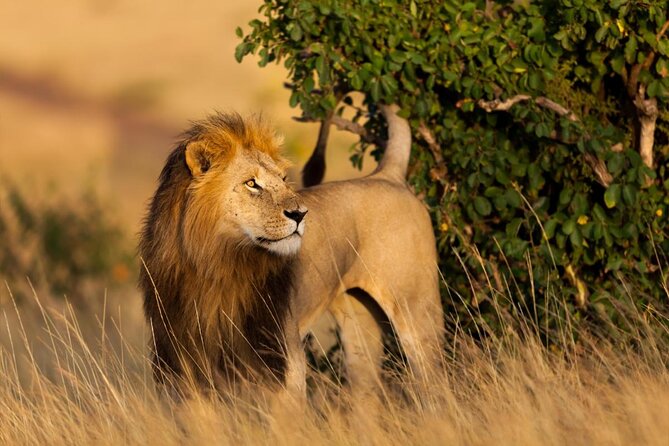
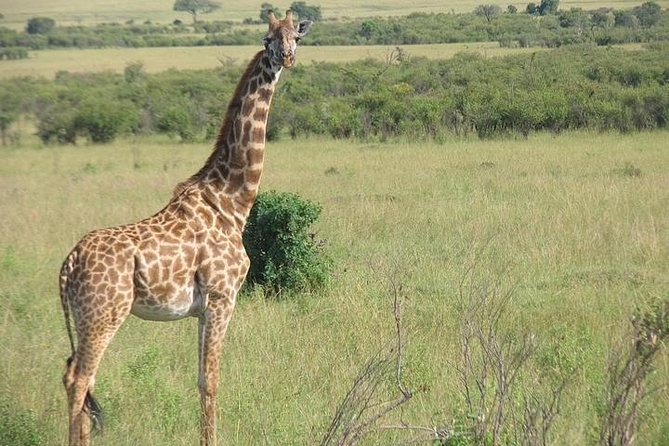
The Mara is especially strong for lions, leopards, and cheetahs. Four of the Big Five are often possible here, though rhino sightings are less certain. The guide’s role is important, since a good driver knows how to search the open country without treating the drive as a race.
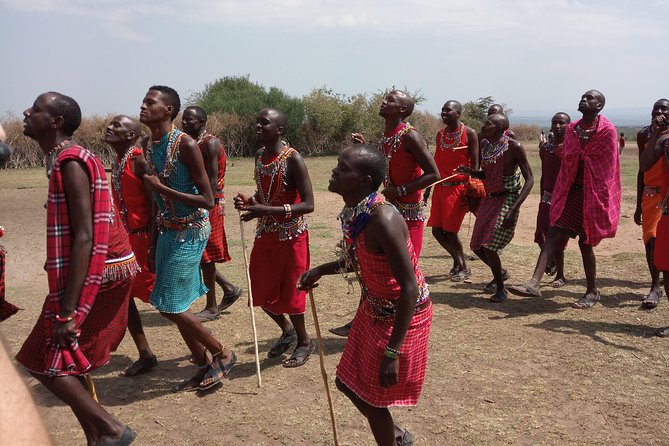
In the evening, you visit a Maasai village to learn about local culture. This gives the day a human dimension, but you should approach it respectfully and listen carefully rather than treating it as a quick photo stop.
Dinner and an optional campfire follow. This is one of the fuller days, lasting about eight hours, so carry water, keep your camera ready, and do not underestimate the value of a quiet evening afterward.
Day 6: Crossing from Kenya into Tanzania
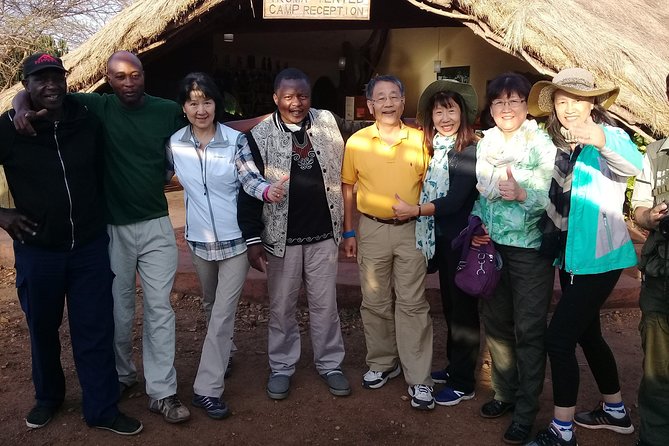
You leave at 6 a.m. after an early breakfast and travel toward the Isebania border. Around lunchtime, you spend about 30 minutes processing visas before meeting your Tanzanian driver and cook.
This is a practical changeover. The Kenyan team does not simply continue through Tanzania. You meet a new driver and a private chef, then eat a picnic lunch and continue toward the Serengeti.
An evening game drive takes place on the way to the Seronera campsite. The standard arrangement provides a tent and sleeping bag, with meals prepared by the private cook. This is a long and logistically important day, not just a scenic transfer.
The border crossing can feel slow compared with a domestic park transfer, but it is part of what makes the two-country route possible. Keep your documents accessible and expect the day to be more about movement than extended wildlife viewing.
Days 7 and 8: The Serengeti’s open country
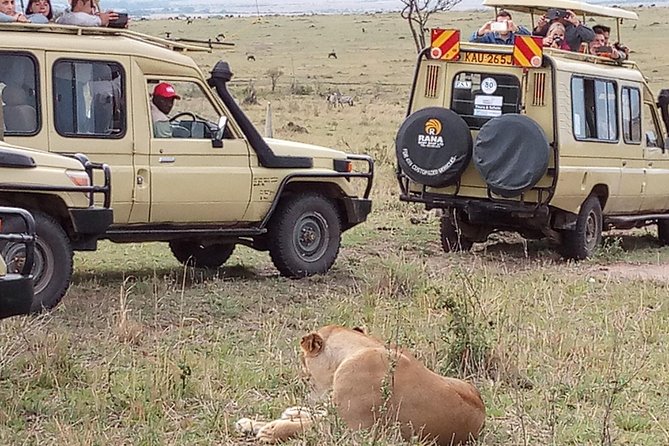
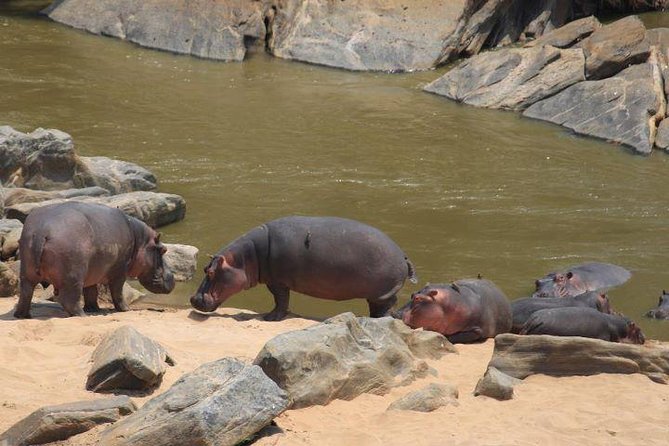
Day seven is dedicated to the Serengeti, with a scenic drive, a full-day game drive, and a late evening outing. The Seronera campsite is your base. The itinerary also includes a stop at the Serengeti Hippo Pool, where hippos gather in family groups and compete for space in the water.
The Serengeti is the trip’s great open-country chapter. You get wide views and a strong chance to see large animals spread across the plains. The schedule gives you more than a passing look, although the four-hour scenic drive within the day means time is still shared between driving and searching.
On day eight, you have a more relaxed morning before a game drive until lunch. You then stop at Nabi Hills for an early lunch and continue toward Ngorongoro. The crater rim viewpoint provides a dramatic first look into the caldera before you spend the night at Simba campsite.
The standard Tanzanian camping is the biggest comfort question in this section. You receive a tent and sleeping bag, while the upgrade costs $400 per person for two Serengeti nights and one Ngorongoro night. If you value a proper bed and lodge facilities, this is the point where the extra charge may make sense.
Day 9: A full day inside Ngorongoro Crater
You start at 6 a.m., eat breakfast, and descend to the crater floor for a full-day crater tour with picnic lunches. Ngorongoro is a large intact volcanic caldera with fertile grazing areas and a notably high concentration of big game.
The crater delivers a different kind of safari from the Serengeti. Instead of endless plains, you have a contained setting with steep crater walls and a strong sense of place. The viewpoint the previous evening prepares you for the scale, while the crater-floor drive gives you the close-up search for wildlife.
After the tour, you leave for the Karatu area, where you spend the night at a hotel. This change from campsite to hotel is welcome after an early start and a full day outdoors.
One planning point deserves attention: the schedule places only one full crater day here, while Lake Manyara follows on day ten. If your main goal is Ngorongoro, ask if the route can be adjusted to give you more time in the crater area. That question is especially relevant if you prefer fewer park changes and longer wildlife sessions.
Day 10: Lake Manyara beneath the Rift Wall
After breakfast, you spend the day on a game drive in Lake Manyara National Park. The park combines buffalo, giraffe, zebra, elephants, and other species with views toward the Great Rift Wall.
Manyara is known for varied habitats and birdlife, including flamingos. It is also associated with tree-climbing lions, although sightings are never promised. The park’s appeal is its range: you are not looking at one repeated type of scenery or searching for only one animal.
The day is listed at about six hours, shorter than the Mara and Serengeti outings. That gives the schedule some breathing room, though it also means less time than you get in the trip’s headline parks.
Day 11: Tarangire and the route to Arusha
The final full safari day begins with an early breakfast and a full-day game drive in Tarangire National Park, including a picnic lunch. You then continue to Arusha for dinner and an overnight stay at the Venus Premier Hotel.
Tarangire brings another change of setting and another chance to see elephants, buffalo, giraffe, and other wildlife. The supplied description places particular emphasis on its game viewing rather than one single signature animal, so I would treat the day as a broad final search rather than a guaranteed last Big Five stop.
The overnight in Arusha is practical. It breaks up the return journey and gives you a hotel before the final shuttle. Still, after eleven nights of moving between parks, you may wish the safari ended with more time in one place.
Day 12: Returning to Nairobi, or flying from Kilimanjaro
After breakfast, a luxury shuttle takes you from Arusha to Nairobi, with airport drop-off arranged. The stated transfer lasts about four hours, though border and road conditions can affect any regional journey.
You may instead choose to depart from Kilimanjaro International Airport, avoiding the drive back to Nairobi. If your flight plans allow it, this can be the more sensible finish. Confirm the airport plan early because it changes how you use the final day.
Pickup and drop-off are included, and the experience uses a mobile ticket. Free cancellation is available up to 24 hours before the start time. Changes or cancellations inside that 24-hour window are not accepted for a refund.
Guides, vehicles, and the practical side
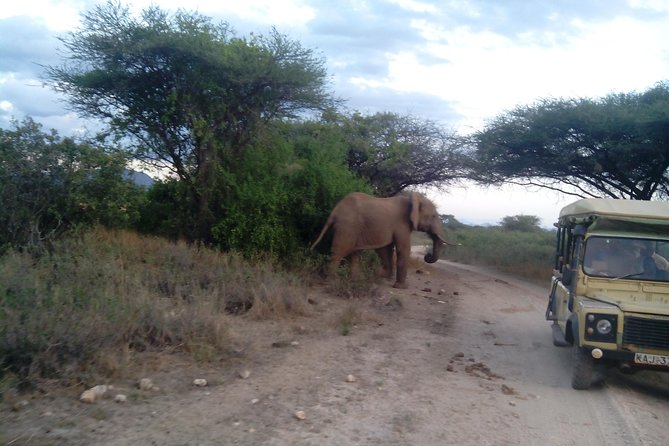
The customized safari vehicle has a pop-up roof, which is valuable for photographs and for scanning the plains. You can stand or sit with a wider view than you would get through ordinary side windows.
Guide quality matters enormously on a safari. George receives repeated praise for organizing the trip and answering questions, while Godson is singled out for informative guiding in Tanzania. Shadrack is praised for being caring and professional, and Sereva is named among the strong guides. Private cook Christian also receives specific praise for preparing good meals.
There is one useful warning in the feedback: some drivers were said to drive too fast, including through a park. I would address this before departure. Tell your team that safe, steady driving matters more than reaching the next sighting quickly. A slower vehicle often means better comfort and more time to appreciate what you are seeing.
Most people can participate, and the tour is private for your group. At Hell’s Gate, you can choose biking or a car game drive, which makes that day more adaptable than it first appears.
Who should choose this safari?
I would recommend this trip if you want a broad first look at Kenya and Tanzania, especially if seeing the Big Five is a major goal. It suits people who appreciate having transport, meals, park fees, and daily plans arranged in advance.
It is also a good fit if you want more than standard vehicle viewing. Hell’s Gate biking, a Lake Naivasha boat ride, a Maasai village visit, and a Ngorongoro crater-floor tour give the route more variety.
I would hesitate if you dislike early mornings, long road transfers, tented camping, or frequent hotel changes. This is an active schedule. You should also consider a shorter, slower safari if your priority is spending several extra days inside the Maasai Mara or Serengeti.
Should you book the Kenya and Tanzania safari?
Book it if you want maximum variety in 12 days and value having the hard work handled for you. The combination of Kenya’s Mara and Rift Valley parks with Tanzania’s Serengeti and Ngorongoro is the strongest reason to choose it.
Before booking, confirm the Tanzania accommodation level, the names of your guides and drivers, the border procedure, and your final airport. If comfort matters, budget for the $400 lodge upgrade. If wildlife time matters more than collecting every park, ask about reducing the number of stops and adding nights in the Mara or Serengeti.
For a well-organized overview of East Africa with strong park coverage, good food support, and a private vehicle, this is a solid value. Just bring patience for the roads, flexibility for wildlife sightings, and a willingness to trade some comfort for a bigger route.
FAQ
How long is the safari?
The safari lasts approximately 12 days and includes 11 nights.
Where does the safari begin?
The experience begins in Nairobi, with airport pickup from Jomo Kenyatta International Airport.
Which parks and reserves are included?
The route includes Hell’s Gate National Park, Lake Nakuru National Park, Maasai Mara National Reserve, Serengeti National Park, Ngorongoro Crater, Lake Manyara National Park, and Tarangire National Park.
Is transport included?
Yes. Transport is provided in a customized vehicle with a pop-up roof for wildlife viewing and photography. Airport pickup and drop-off are also included.
Are national park entrance fees included?
Yes. National park entrance fees for all parks included in the route are covered.
What accommodation is provided?
Accommodation follows the itinerary. The Lenchada camp in Kenya provides a tent with a bed, mosquito net, bathroom, electricity, and hot water. In Tanzania, the standard option includes a tent and sleeping bag. Lodge upgrades are available for an additional $400 per person for two nights in the Serengeti and one night near Ngorongoro.
Can I avoid returning to Nairobi at the end?
Yes. You can choose to depart from Kilimanjaro International Airport instead of taking the shuttle from Arusha to Nairobi, subject to arranging that option with the operator.
Is biking at Hell’s Gate required?
No. Bikes are provided for those who want to ride, but a car-based game drive is available if you cannot or do not want to bike.
Just added in Nairobi
- Wildlife Capital: Half-Day Safari at Nairobi National Park★ 5.0 · 2 reviews
- 3 days maasai mara migration safari★ 4.5 · 7 reviews
- 4 Days Tour Landcruiser in Masai Mara and Lake Nakuru★ 5.0 · 10 reviews
- 4 Days Safari to Lake Nakuru N/P and Maasai Mara N/R★ 5.0 · 18 reviews
- Day Tour to Nairobi national park, Elephants, and Giraffe Center★ 3.5 · 8 reviews
- 6 Days Kenya Budget Group Safari★ 5.0 · 2 reviews
- Maasai Mara Day Trip★ 5.0 · 15 reviews
- 3 Days Masai Mara Wildebeest migration Budget safari★ 5.0 · 2 reviews
Private, compared.
Hell’s Gate National Park Private Bike Tour from Nairobi
Read our review →
Kisite Park Private Cruise with Breakfast and Lunch
Read our review →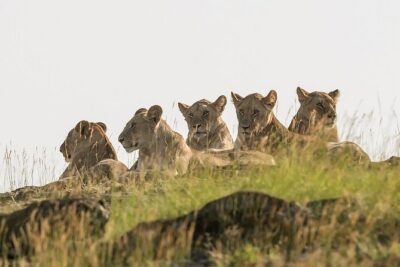
3 days Masai Mara on Private 4×4 Land Cruiser
Read our review →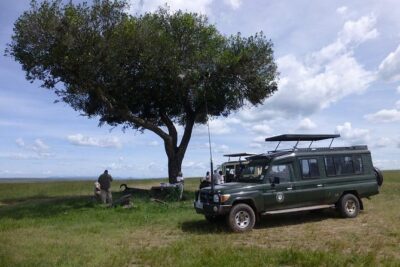
Masai Mara 3 Day Safari | Private 4WD Jeep Tour
Read our review →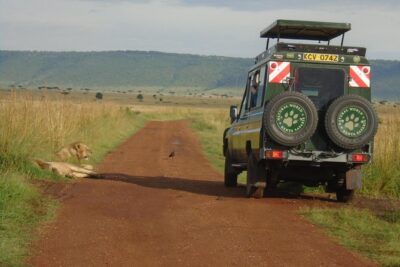
Lake Nakuru, Naivasha & Masai Mara 4 Days Private Jeep Safari
Read our review →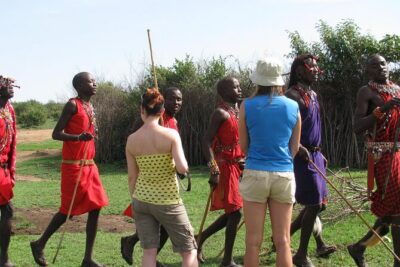
Ultimate 12 Days Private Safari Tour in Kenya and Tanzania
Read our review →
Private Hiking Day Trip to Mt. Longonot from Nairobi
Read our review →