
Reviewed · SAMBURU TOURS
Samburu: Traditional Activities Experience
Ancient skills still have a place here. I like the dance class because it turns a performance into something you can join, and I like the bead-making session because you leave with a small, personal souvenir. The friendly welcome praised by Karel also gives this two-hour visit an easy, genuine feel.
The main consideration is scope: this is a short cultural experience, not a full Samburu village tour or a broad regional history lesson. It is offered in English, costs $40 per person, and includes the dance, fire lighting, braiding, and venue charges.
In This Review
- Key points to know
- A two-hour introduction to Samburu traditions
- Samburu dances: ceremony with a chance to join
- Lighting a fire without modern tools
- Lmasi hair braiding and the meaning of manhood
- Bead making: a souvenir with your own fingerprints
- What the $40 price covers
- Who will enjoy this experience most
- Language, flexibility, and planning tips
- Should you book the Samburu Traditional Activities Experience?
- FAQ
- Where does the Samburu Traditional Activities Experience take place?
- How long does the experience last?
- How much does the experience cost?
- What language is used during the experience?
- Is the experience suitable for all ages?
- What dance activities are included?
- Can I try traditional fire lighting?
- What is included in the hair-braiding activity?
- Can I cancel for a full refund?
Key points to know
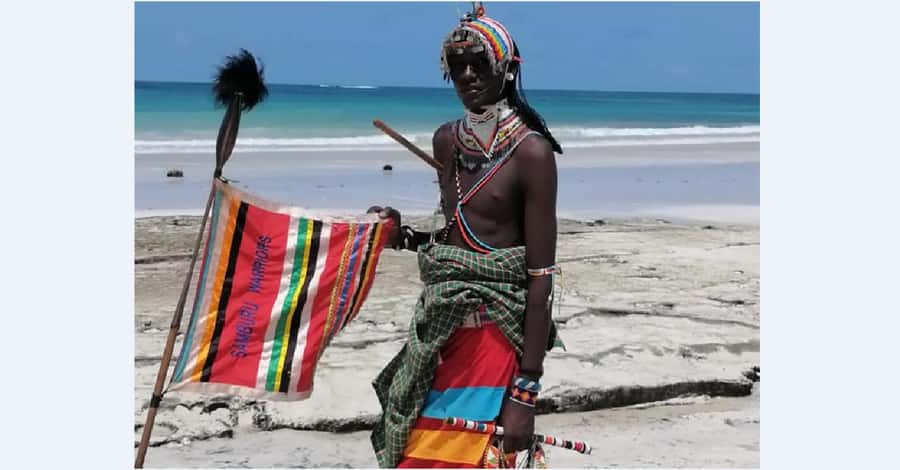
- War dances and wedding dances show how Samburu customs connect with ceremony, celebration, and community life.
- Traditional fire lighting gives you a hands-on lesson in an old practical skill, not just a demonstration.
- Lmasi hair braiding introduces a men’s ritual linked with initiation into manhood and the use of special ashes.
- Bead making lets you create an ornament while learning about a craft traditionally passed down by Samburu women.
- The two-hour format works well for families and visitors with limited time, though it leaves little room for a long cultural discussion.
- The $40 price covers four activities, a dance class, and venue charges, with a mini shop available for additional souvenirs.
A two-hour introduction to Samburu traditions
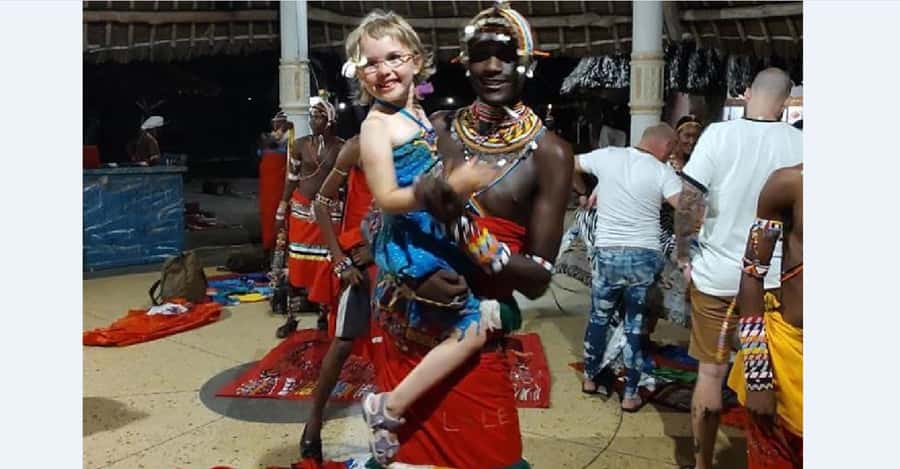
This experience is built around participation. You are not simply watching a cultural presentation, taking a few photos, and leaving. The program gives you several ways to take part, from movement and rhythm to hand skills and craft.
That range is its strongest feature. In two hours, you get a compact look at ceremony, practical knowledge, personal style, and women’s beadwork. Each activity offers a different way to understand Samburu life, so the visit does not depend on one performance carrying the whole afternoon.
I also like the clear age appeal. The experience is described as suitable for all ages, and the activities naturally offer different levels of involvement. Younger children can watch dances or work with beads, while adults may be more interested in the meaning behind the rituals and techniques.
Still, you should set your expectations correctly. A two-hour visit can introduce traditions, but it cannot explain every part of Samburu society. Think of this as an accessible cultural doorway, with several hands-on stops rather than a long academic talk.
More Diani Beach trips:
- PILLI PIPA DHOW, the genuine product, snorkeling tour to Kisite Marine Park
★ 4.5 · 217 reviews - Full-Day Special Wasini Island Tour with Snorkeling and Lunch
★ 4.5 · 184 reviews - From Mombasa/Mtwapa/Diani/Tiwi: Tsavo East Full-Day Safari
★ 4.3 · 130 reviews
Samburu dances: ceremony with a chance to join
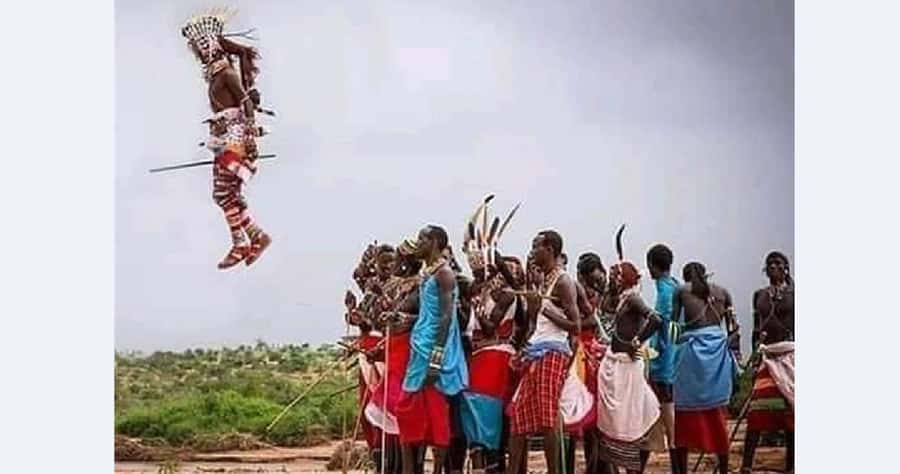
The dance portion opens the experience with movement, music, and ritual. You may see dances connected with war and wedding celebrations, each showing a different side of Samburu custom.
The value here is not only the spectacle. War dances can suggest courage, unity, and public identity, while wedding dances point toward family celebration and social ties. Seeing both in the same program helps you understand that dance is not just entertainment. It can carry a role in important community events.
The included dance class makes this part more active. You have the chance to learn rather than remain at the edge of the performance. That matters because simple participation can help you pay attention to rhythm, gesture, posture, and group movement in a way that passive watching often does not.
I would approach the class with good humor and modest expectations. You are not there to become a skilled Samburu dancer in one session. The point is to take part respectfully, enjoy the exchange, and gain a better sense of how dance brings people together.
The dance segment may be the liveliest part of the visit, especially for families. It also sets a welcoming tone. Karel’s praise for the friendly people fits the nature of this activity, where warmth and willingness to join in matter as much as technical skill.
One practical note: the details do not specify the exact number of performers, music arrangements, or group size. That means the feel of this section may depend on the day’s setup. I would focus on the cultural connection rather than expect a large stage production.
Lighting a fire without modern tools
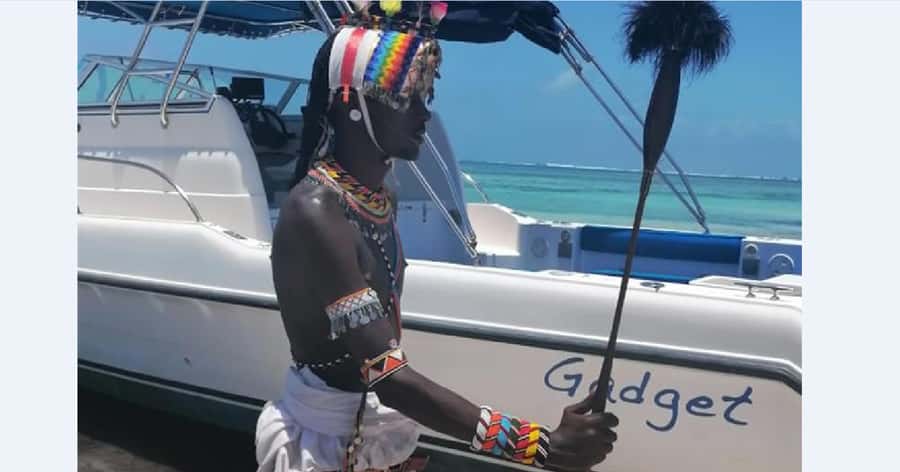
The traditional fire lighting session shifts from ceremony to daily skill. You are shown an old method for starting a flame without modern tools, then given the chance to try it under guidance.
This is a small activity with a useful lesson behind it. Fire lighting connects culture with practical knowledge: making heat, preparing food, and managing a basic need without matches or a lighter. When you try the method yourself, you quickly see that such skills require patience, timing, and hand control.
I like this stop because it gives the program a physical challenge. Dance asks you to move with others. Fire lighting asks you to concentrate on a task. Together, the two activities create a better balance than a tour made up only of demonstrations.
Do not worry if your first attempt does not work. The fun is in learning the method and seeing how much effort goes into producing a flame. The information provided does not promise that every participant will successfully light a fire, so treat success as a bonus, not the measure of the experience.
This is also a good moment to ask questions. The tour is conducted in English, and the hosts guide participants through the process. Since the visit is short, explanations may be fairly focused, but you can still use this activity to ask about how the technique has been used and passed on.
For families, fire lighting offers a clear reason to stay engaged. Children may enjoy the challenge, while adults can appreciate the practical side of a skill often replaced by a quick flick of a lighter. The hosts should set the pace and make sure the activity remains suitable for the group.
Lmasi hair braiding and the meaning of manhood
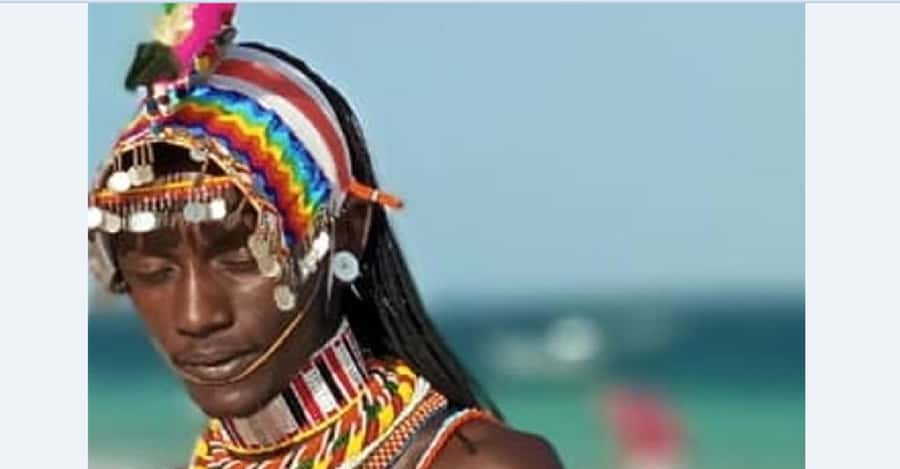
The hair-braiding session is the most distinctive part of the program. Known as Lmasi, this traditional braiding process is performed by Samburu men after initiation into manhood.
That detail gives the activity cultural weight. You are not simply learning a decorative hairstyle. You are being introduced to a practice connected with age, identity, and a major stage of life. Even a short explanation can help you see hair as more than personal fashion.
The braiding incorporates special ashes believed to support hair growth and strength. The belief itself is important to understand as part of the tradition. You do not need to treat it as a medical claim, and the experience does not present it as a modern hair-care treatment. Instead, it offers a look at how traditional practices can carry meaning and purpose.
I would pay close attention to the hands of the person doing the braiding. The technique may look simple at first, but the repeated pattern and careful handling show why skills like this are learned over time. If you are invited to take part, patience and respect are more useful than trying to rush through the process.
This section may appeal especially to visitors interested in personal customs and rites of passage. It also adds balance to the dance and fire activities by focusing on the body and social identity.
The available details do not say whether every participant receives a full braid or simply watches a demonstration. You might find that the exact format depends on the session and the group. I would see it as an opportunity to learn about Lmasi first, with hands-on participation included as the hosts arrange it.
More Samburu safaris:
- Samburu, Lake Nakuru & Masai Mara 6 Days Private 4×4 Jeep Safari
★ 5.0 · 48 reviews - Samburu/ Aberdare/ Lake Nakuru/ Masai Mara 7 Days Safari
★ 5.0 · 37 reviews - 7-Days Kenya Safari Samburu, Aberdare, Lake Nakuru, & Maasai Mara
★ 5.0 · 29 reviews - 5 Days Maasai mara, Lake Nakuru, samburu private lodge safari
★ 5.0 · 15 reviews
Bead making: a souvenir with your own fingerprints
The final main activity is bead making, a craft traditionally passed down by Samburu women. Here, you create your own ornamental piece rather than buying a finished object alone.
This is one of the best choices for a short cultural visit. A handmade item gives you something to remember, but the process matters more than the object. As you arrange beads and build a design, you get a small sense of the care and repetition involved in the craft.
The activity also gives you time to slow down. After the movement of the dances and the concentration of fire lighting, beadwork offers a quieter finish. I like that change of pace. It lets you think back over the earlier activities while making something personal.
The finished ornament may not look like a professional piece, and that is part of the charm. You are creating a souvenir during a brief introduction, not completing an apprenticeship. Its value comes from the connection to the experience and the fact that you made it yourself.
The craft has a wider cultural link, too. The tradition is associated with Samburu women and passed between generations. That makes the activity more than a generic craft workshop. It points toward the role of women’s work, skill, and design in preserving cultural practices.
You can also browse the mini shop before leaving. It offers additional souvenirs with symbolic meanings. The information does not provide a full list of products or prices, so bring curiosity rather than a fixed shopping plan. If you buy something, ask about its meaning and who made it. That turns a purchase into a more respectful exchange.
What the $40 price covers
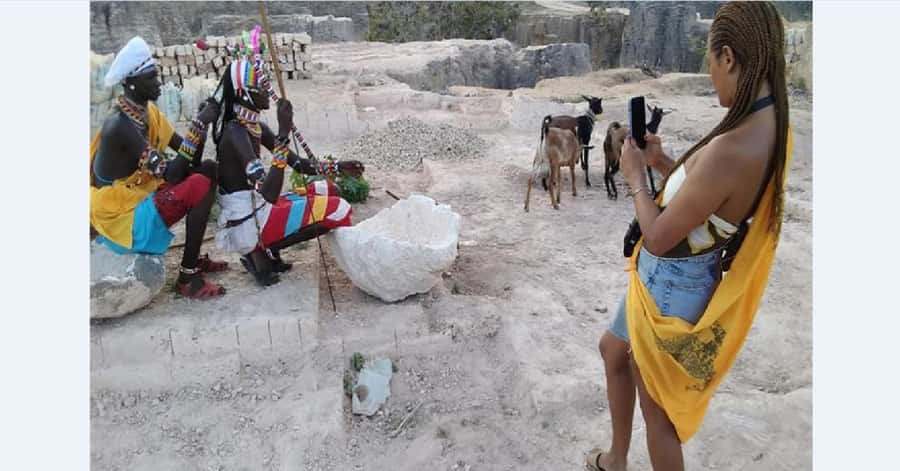
At $40 per person, the experience offers a lot of variety for a two-hour program. The price includes the dance experience and class, traditional fire lighting, the braiding experience, and venue charges.
I see the value in the number of activities. You are paying for a guided cultural session with both demonstrations and participation, not for a single performance. The bead-making element also gives you a personal keepsake, while the mini shop provides more options if you want to take home another item.
The value depends on what you want from a cultural visit. If you prefer a long conversation with community members, an extensive historical explanation, or a full-day visit, this program may feel brief. If you want a friendly, structured introduction that fits into a busy itinerary, $40 is easier to justify.
The two-hour length is another part of the value. You can fit it around other plans without giving up half a day. At the same time, the schedule likely moves at a steady pace. You may not have unlimited time at every activity, so arrive ready to participate rather than linger over each step.
No transport is listed among the inclusions, so you should check how you will reach the venue before booking. Venue charges are covered, but the details do not state that transfers, meals, or extra shop purchases are included.
Who will enjoy this experience most
I would recommend this activity to families, first-time visitors seeking a cultural introduction, and anyone who prefers learning by doing. The dance class and bead making are easy entry points, while fire lighting and Lmasi braiding add more unusual content.
It also suits people with a short schedule. The program gathers four distinct activities into two hours, so you get variety without committing to a full-day outing.
Couples and solo visitors can enjoy it as well, particularly if they are open to joining group activities. The friendly atmosphere praised by Karel suggests that the social side is part of the appeal. You should be willing to participate, ask questions, and accept that your dance steps or bead design may be imperfect.
You may want to choose another kind of visit if your main goal is wildlife, a long village walk, or detailed regional history. None of those elements is listed here. This program focuses tightly on traditional activities and personal interaction.
Language, flexibility, and planning tips
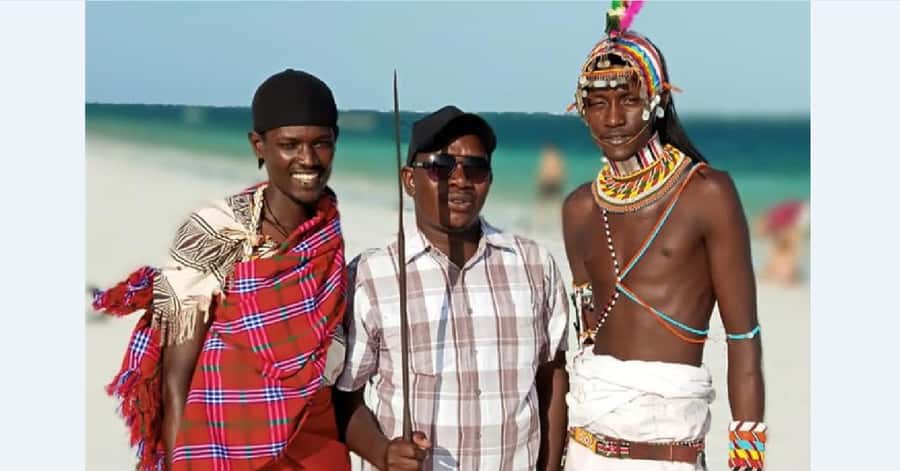
The experience is offered in English. That makes it easier to follow the instructions for fire lighting, braiding, and bead making, and it gives you a way to ask about the meaning of each custom.
You can reserve a place and pay later, which helps if your Kenya plans are still changing. Cancellation is allowed up to 24 hours before the experience for a full refund. These policies are useful, but I would still check the final booking details for meeting instructions and any timing requirements.
Because the program is only two hours, arrive prepared to take part from the beginning. Wear something comfortable for the dance class, and keep your hands free for the practical activities. The supplied details do not specify a dress code, transport, group size, or exact start times, so confirm those points before you commit.
Most of all, come with respect. The dances, Lmasi braiding, and beadwork are not props created only for visitors. They are practices with social and personal meaning. Listen when the hosts explain them, ask before touching materials or taking close photographs, and treat the people leading the experience as teachers rather than performers on demand.
Should you book the Samburu Traditional Activities Experience?
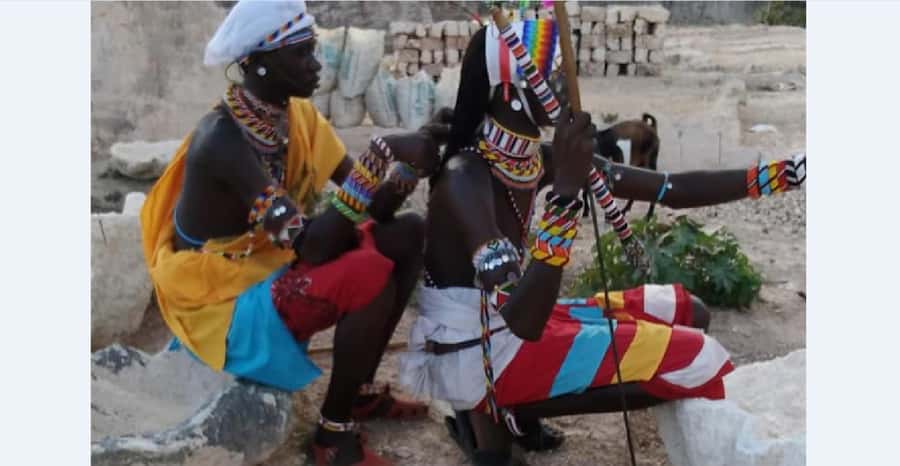
Book it if you want a compact, friendly cultural visit with real participation. The combination of dances, fire lighting, Lmasi braiding, and bead making gives you more substance than a simple show, and the $40 cost is reasonable for four activities over two hours.
I especially like the chance to try an old fire-lighting method and make your own bead ornament. Those moments stay with you because you use your hands, not just your camera.
Skip it if you need a long, detailed study of Samburu culture or expect transportation and meals to be included. For everyone else, this is a lively and approachable way to spend two hours in Coast Province, with enough variety to suit different ages and interests.
FAQ
Where does the Samburu Traditional Activities Experience take place?
The experience takes place in Coast Province, Kenya.
How long does the experience last?
The experience lasts two hours.
How much does the experience cost?
The price is $40 per person.
What language is used during the experience?
The experience is offered in English.
Is the experience suitable for all ages?
Yes. It is described as suitable for all ages.
What dance activities are included?
You can watch and take part in Samburu dances connected with traditions such as war dances and wedding celebrations. A dance class is included.
Can I try traditional fire lighting?
Yes. The experience includes a traditional fire-lighting activity using techniques that do not rely on modern tools.
What is included in the hair-braiding activity?
The activity introduces Lmasi, a traditional braiding practice performed by Samburu men after initiation into manhood. Special ashes are incorporated into the process.
Can I cancel for a full refund?
Yes. You can cancel up to 24 hours in advance for a full refund.
Just added in Diani Beach
- 10-Days Kenya Wildlife Private Safari and Mombasa Diani Beach Holidays★ 5.0 · 5 reviews
- 4 Days Diani Beach Holiday Package with SGR Train ( minimum 2 persons)★ 5.0 · 1 review
- 3 Day Tour to Amboseli Tsavo West & East to Mombasa/Diani/Nairobi★ 5.0 · 1 review
- 2 Days Private Safari in Tsavo from Diani Beach with Pick Up★ 4.5 · 4 reviews
- Mombasa & Diani: Group Day Trips to Tsavo Park★ 5.0 · 2 reviews
- From Mombasa Airport: Diani transfer in a minivan (5 pax)★ 4.5 · 13 reviews
- Day Tour to Tsavo East National Park from Mombasa or Diani★ 5.0 · 5 reviews
- Overnight Safari to Tsavo East National Park from Mombasa/Diani★ 5.0 · 4 reviews
Samburu Tours, compared.

Samburu, Lake Nakuru & Masai Mara 6 Days Private 4×4 Jeep Safari
Read our review →
Samburu/ Aberdare/ Lake Nakuru/ Masai Mara 7 Days Safari
Read our review →
7-Days Kenya Safari Samburu, Aberdare, Lake Nakuru, & Maasai Mara
Read our review →
5 Days Maasai mara, Lake Nakuru, samburu private lodge safari
Read our review →
6-Day Samburu, Lake Nakuru, and Masai Mara Safari
Read our review →
11 Days Private Tour to Explore Amboseli and Samburu
Read our review →
9 Days Samburu- Nakuru- Mara-Naivasha- Amboseli Wild Safari
Read our review →
7 Day Maasai Mara, Lake Nakuru, Lake Naivasha and Samburu Safari
Read our review →Browse the lists this tour appears in