
Reviewed · GIRAFFE CENTRE TOURS
Nairobi Giraffe Center Tour with Karen Blixen & Kobe Beads”
Three Nairobi stops, one compact cultural outing. This tour brings together Karen Blixen’s former home, hands-on giraffe conservation, and Kenyan beadwork in four hours. I like the smart mix of literature, wildlife, and local craft, and I especially like that hotel pickup, drop-off, a guide, and water are included.
The main drawback is the extra cost at the two ticketed sites. The advertised $50 price does not include the $15 Giraffe Center fee or the $12 Karen Blixen Museum fee, so your real cost reaches about $77 before food, souvenirs, and gratuity. The pace is also brisk, which suits a short Nairobi stop more than a slow, detailed museum day.
In This Review
- Key points to know before booking
- Why this Nairobi tour works so well
- Starting with Karen Blixen at her Nairobi home
- Seeing beadwork made at the Kobe or Kazuri stop
- Feeding giraffes at the conservation center
- What the four-hour schedule feels like
- The real price and what you receive
- Who should book this experience?
- Final verdict: a smart half-day introduction to Nairobi
- FAQ
- How long does the Nairobi tour last?
- What is included in the $50 price?
- Are the Karen Blixen Museum and Giraffe Center admission fees included?
- Is the bead center visit included?
- What language is the tour conducted in?
- What should I bring?
- Can I cancel or pay later?
Key points to know before booking
- Karen Blixen’s house comes first: Allow about 90 minutes to see the former coffee farm home, gardens, and Ngong Hills views.
- The bead stop is complimentary: You can watch artisans make traditional beadwork and shop for handmade pieces at no extra admission cost.
- Giraffe feeding is the most hands-on stop: The one-hour visit gives you a close look at Rothschild giraffe conservation and a chance to feed the animals.
- Your actual budget is about $77: Add the $15 Giraffe Center ticket and $12 museum admission to the $50 tour price.
- James earned praise for punctuality: He picked up one solo participant on time and waited while she explored each site.
- The experience is English-language and wheelchair accessible: Bring a passport or ID card, and take advantage of the included water.
Why this Nairobi tour works so well
Nairobi can feel like a city of separate experiences. One attraction tells a colonial-era literary story, another focuses on endangered wildlife, and another keeps a local craft tradition alive. This four-hour outing links all three without asking you to plan separate taxis, entrance arrangements, and guides.
I like that the stops do not feel repetitive. The Karen Blixen Museum is quiet and reflective. The bead center is practical and people-focused. The Giraffe Center is lively and physical, with animals close enough for memorable photographs.
The arrangement also gives you a useful introduction to the Karen area of Nairobi. You are not spending the day on a long drive into the countryside. Instead, you get a concentrated look at culture, conservation, and art within Nairobi County, with hotel transportation included.
Still, keep your expectations in check. Four hours is enough for a good first look, not for an exhaustive visit. The tour description allows about 90 minutes at the museum, one hour at the bead factory, and one hour at the Giraffe Center. With pickup and return included, the schedule leaves little room for delays or extended shopping.
More Giraffe Centre visits:
- Nairobi: National Park & Optional Elephants & Giraffe Center
★ 4.8 · 874 reviews - Elephant Orphanage and Giraffe Center Tour with Options
★ 4.5 · 457 reviews - Nairobi National Park, Elephant Orphanage and Giraffe Centre
★ 4.6 · 365 reviews
Starting with Karen Blixen at her Nairobi home
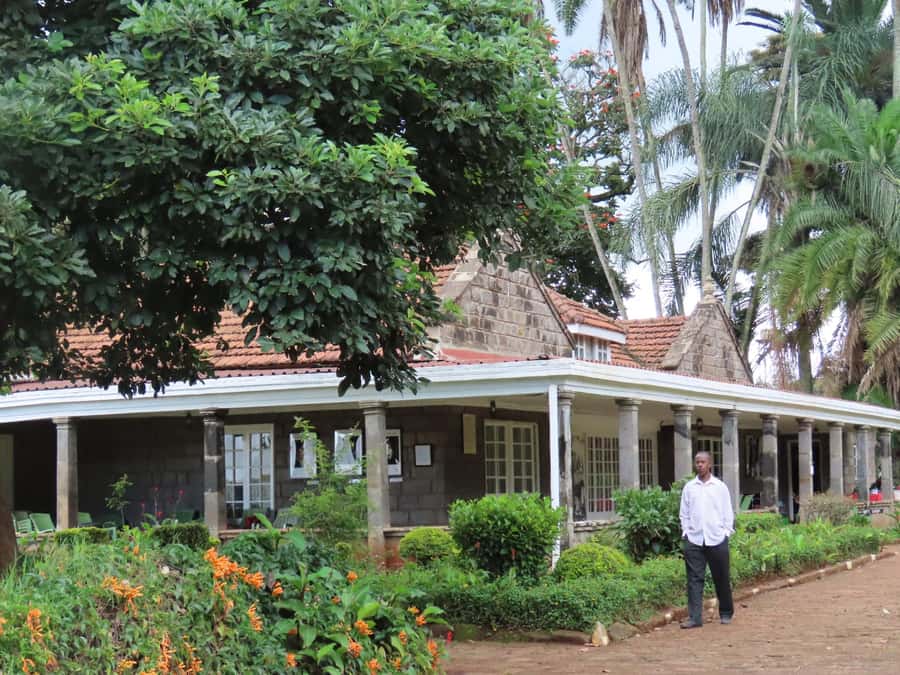
The first major stop is the Karen Blixen Museum, set outside central Nairobi with views toward the Ngong Hills. The house was once home to Danish author Karen Blixen, whose memoir Out of Africa describes her years in Kenya.
I find this stop valuable because it gives the day a human story before the wildlife and craft experiences begin. You move through the rooms where Blixen lived and worked, then learn about her life as a coffee farmer, writer, and European settler in East Africa.
The farmhouse and surrounding grounds preserve the feel of the colonial period. The gardens and open views add atmosphere, but the real interest is the connection between the place and the book. If you have read Out of Africa, the visit gives physical shape to people and settings that can otherwise remain abstract.
You should also view the museum with a balanced eye. It presents Blixen’s life, but it cannot represent every Kenyan experience of that period. A good guide helps by placing her personal story inside the larger setting of Kenya’s colonial past and changing society.
The planned 90 minutes gives you time for a guided visit, photographs, a walk, and some free time. I would use the guide portion well. Ask about Blixen’s coffee farm, her writing, and the difficulties she faced in Kenya. Those details are more useful than simply moving from room to room.
This is the most literary stop, and it will appeal most to people who enjoy museums, books, historic houses, and personal stories. If you mainly want animals, the museum may feel slow at first. Give it a fair chance, since it supplies context that the other stops cannot.
Seeing beadwork made at the Kobe or Kazuri stop
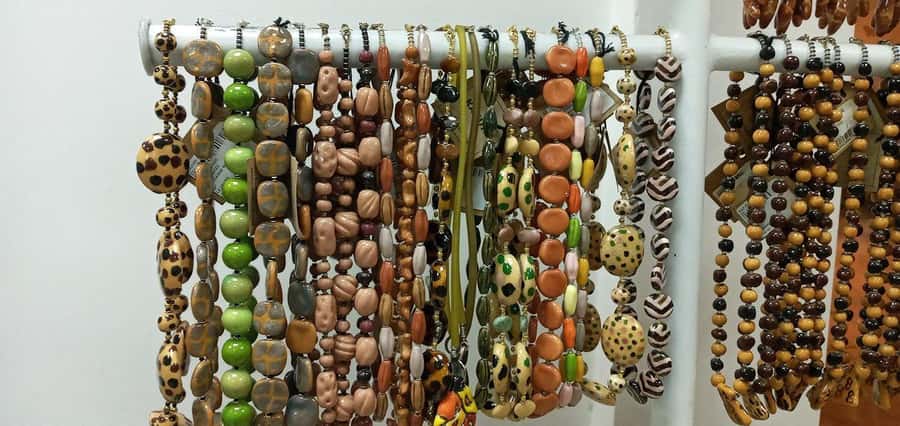
The second stop is described as the Kobe Beads Center, while the itinerary names Kazuri Beads Factory in Nairobi. That name difference is worth checking when you book, especially if a particular workshop matters to you. The supplied details clearly describe a bead-making visit with time to watch artisans and shop.
This is my favorite stop for understanding how a tour can support local work without turning culture into a stage show. You see beads being shaped and decorated, learn about their place in Kenyan adornment and ceremonies, and get a chance to buy directly from the makers.
Kenyan beadwork carries cultural meaning, especially in Maasai traditions. Beads can signal adornment, ceremony, and status. The designs are not simply colorful souvenirs. They connect clothing and jewelry with identity, community, and inherited skill.
The factory or center visit lasts about one hour. That is enough time to watch the process, hear an explanation, and browse the finished pieces. You should not feel pressured to buy, but purchasing something here can support the artisans and help keep these skills in use.
The free admission is a real advantage. Unlike the museum and Giraffe Center, this stop does not add a listed entry fee to your bill. Your spending is optional, though you may want room in your budget for a bracelet, necklace, ornament, or other handmade piece.
There is one practical point to remember. The description calls this a complimentary visit, but it does not promise a private workshop or a hands-on bead-making class. Expect to observe artisans at work rather than make your own piece.
I would pay attention to the guide’s explanation instead of treating the stop as a shopping break. The cultural background makes the beadwork more meaningful, and the visit helps you recognize the difference between a handmade object and a generic Nairobi souvenir.
Feeding giraffes at the conservation center
The Giraffe Center is the most playful stop of the day. It protects the endangered Rothschild giraffe and gives you the chance to feed these tall, gentle animals from a close viewing area.
For many people, this will be the tour’s main attraction. You can take photographs, interact with the giraffes, and learn how conservation work supports their survival and their habitat. The experience is much more direct than viewing animals at a distance.
The planned visit lasts one hour. That should give you enough time for feeding, photographs, and an explanation of the center’s conservation role. I like this balance because the stop is not only a photo opportunity. You also leave with a clearer idea of why Rothschild giraffes need protection.
The $15 admission fee is not included in the $50 tour price. That distinction matters. The phrase skip the ticket line refers to convenience, not free entry. You should budget for the fee before you arrive.
The feeding area can be especially appealing to families and first-time wildlife visitors. It is also a useful choice if you have only a short time in Nairobi and cannot fit in a longer safari. Still, it is not a substitute for seeing giraffes in a national park or open wild setting. This is a conservation center, and the close encounter takes place in a managed environment.
Use the hour wisely. Feed the giraffes, listen to the conservation talk, and take a few photographs, but do not let the camera replace the experience. The animals are the point, not just the backdrop.
More Karen Blixen Museum visits:
- Day tour to Giraffe Center and Karen Blixen Museum
★ 4.5 · 168 reviews - Nairobi National Park,Giraffe Centre, Karen Blixen Museum.
★ 5.0 · 127 reviews - 1 Day Tour Nairobi National Park,Giraffe Center&Karen Blixen
★ 5.0 · 48 reviews - Giraffe Center and Karen Blixen Museum Tour from Nairobi
★ 4.6 · 43 reviews
What the four-hour schedule feels like
The stated timing is roughly 90 minutes at the museum, one hour at the bead center, and one hour at the Giraffe Center. Pickup and drop-off take place within Nairobi County, so the exact time in each place can shift with traffic and the location of your hotel.
That schedule feels efficient rather than leisurely. You will see three major stops, but you will not have an open-ended afternoon at any of them. If you enjoy moving along and want variety, that is a strength. If you prefer long museum visits or extended shopping, it may feel rushed.
The transportation arrangement is one of the tour’s best practical features. Hotel pickup and return remove the need to negotiate several rides across Nairobi. The guide also handles the flow between stops, which can make a short outing feel far easier than arranging it independently.
The experience can work for a solo participant. James received particular praise for punctual pickup and for waiting while one person visited each venue. That detail matters because a solo booking does not necessarily mean you will be hurried through every stop.
Faith is also named as a friendly, responsive guide who answered questions and explained the sites clearly. Since guide assignments can vary, I would treat those names as useful examples rather than a promise that either person will lead your specific visit.
Water is included without limit, which is a small but welcome touch in Nairobi’s climate. Meals and other drinks are not included, so plan around the four-hour schedule. The supplied information does not specify a meal stop.
The real price and what you receive
The tour costs $50 per person. Included in that amount are hotel pickup, hotel drop-off, professional English-language guiding, the complimentary bead center visit, and unlimited water.
The two major admission fees are extra:
- Giraffe Center: $15
- Karen Blixen Museum: $12
That brings the known total to about $77 per person, before meals, drinks beyond the supplied water, souvenir photographs, purchases at the bead center, and a tip for the guide.
Is that good value? I think it can be, especially if you want a simple half-day plan with transportation and a guide. The price covers three different places and saves you the trouble of arranging transport between them. For a solo visitor or anyone with limited time in Nairobi, that convenience carries real value.
The value is less clear if you already have a driver, know the Karen area well, and only want to visit one attraction. In that case, independent transport may give you more control over timing. You would still need to pay the site admissions, but you could spend longer at the museum or bead center.
I would also ask about the bead-center name before paying. The supplied information uses both Kobe Beads Center and Kazuri Beads Factory. Confirming the exact stop avoids confusion and helps you know where your shopping time will take place.
Who should book this experience?
I would recommend this tour to you if you want three different sides of Nairobi in one organized outing. It is particularly well suited to:
- First-time visitors with only a half-day available
- Readers interested in Karen Blixen and Out of Africa
- Families who want a close giraffe encounter
- People who enjoy handmade art and cultural explanation
- Solo visitors who prefer a driver and guide
- Anyone who wants hotel transportation rather than arranging several rides
I would hesitate if your priority is a full safari. The Giraffe Center offers close contact and conservation education, but it is not a game drive. I would also hesitate if you want a slow, scholarly museum visit, since the schedule gives you a broad look rather than a long study.
The tour suits mixed-interest groups well. One person can enjoy the literary stop, another can focus on wildlife, and everyone gets time at the bead center. That range is the reason I consider it more useful than a single-attraction outing.
Booking is flexible. You can reserve and pay later, and cancellation is free up to 24 hours in advance for a full refund. The tour is conducted in English and is listed as wheelchair accessible. Bring your passport or ID card.
Final verdict: a smart half-day introduction to Nairobi

I like this tour because it avoids putting all of Nairobi into one category. You get a colonial-era literary setting, a working craft center, and a conservation visit with living animals. The contrast keeps the four hours moving.
The strongest parts are the helpful transportation, the chance to feed giraffes, and the bead-making visit, which gives you something more substantial than a standard photo stop. The most important caution is the final price. At about $77 before extras, it is not a $50 all-in outing.
Book it if you want structure, variety, and a guide who can connect the sites. Skip it if you already have transport and want to explore one location at a slower pace. For a short introduction to Nairobi’s Karen area, though, it offers a practical mix of culture, craft, and wildlife without requiring a full day.
FAQ
How long does the Nairobi tour last?
The tour lasts four hours, including visits to the Karen Blixen Museum, bead center, and Giraffe Center, along with pickup and return within Nairobi County.
What is included in the $50 price?
The price includes reliable hotel pickup and drop-off, an English-speaking professional guide, the complimentary bead center visit, and unlimited water.
Are the Karen Blixen Museum and Giraffe Center admission fees included?
No. The Giraffe Center admission fee is $15, and Karen Blixen Museum admission is $12. These fees are paid separately.
Is the bead center visit included?
Yes. The visit to the bead center is complimentary. Shopping is optional, and handmade items can be purchased separately.
What language is the tour conducted in?
The live tour guide speaks English.
What should I bring?
Bring a passport or ID card. You may also want to bring money for admission fees, meals, drinks, souvenirs, and gratuity.
Can I cancel or pay later?
Yes. You can reserve now and pay later. Cancellation is free up to 24 hours in advance for a full refund.
Just added in Nairobi
- Wildlife Capital: Half-Day Safari at Nairobi National Park★ 5.0 · 2 reviews
- 3 days maasai mara migration safari★ 4.5 · 7 reviews
- 4 Days Tour Landcruiser in Masai Mara and Lake Nakuru★ 5.0 · 10 reviews
- 4 Days Safari to Lake Nakuru N/P and Maasai Mara N/R★ 5.0 · 18 reviews
- Day Tour to Nairobi national park, Elephants, and Giraffe Center★ 3.5 · 8 reviews
- 6 Days Kenya Budget Group Safari★ 5.0 · 2 reviews
- Maasai Mara Day Trip★ 5.0 · 15 reviews
- 3 Days Masai Mara Wildebeest migration Budget safari★ 5.0 · 2 reviews
Giraffe Centre Tours, compared.

National Park & Optional Elephants & Giraffe Center
Read our review →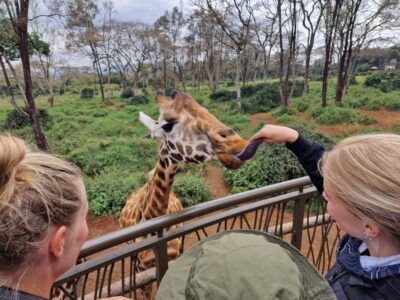
Elephant Orphanage and Giraffe Center Tour with Options
Read our review →
Nairobi National Park, Elephant Orphanage and Giraffe Centre
Read our review →
Tour: Giraffe Center and Nairobi National Park
Read our review →



Day tour to Giraffe Center and Karen Blixen Museum
Read our review →Browse the lists this tour appears in