
Reviewed · NAKURU TOURS
Mt Kilimanjaro Trek; Rongai Route – 6 Days
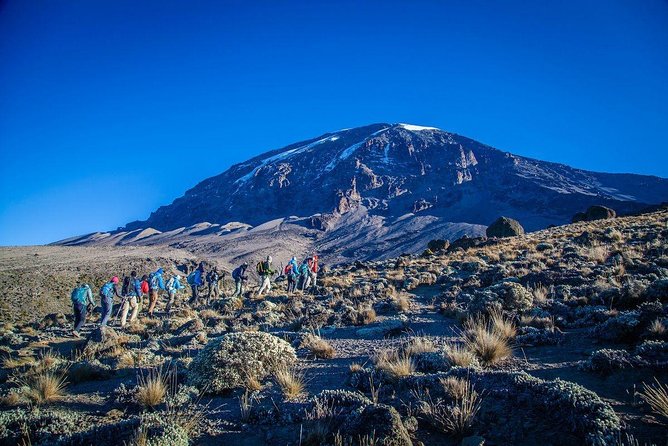
Quiet trails, huge mountain views, and one hard summit night. This six-day Rongai Route trek approaches Kilimanjaro from the northeast, where you get a more remote feel than on some busier routes. I like the smaller-crowd setting and the unusual chance to sleep near caves and beneath Mawenzi Peak. I also like that the climb includes airport transfers, hotel nights, meals, guides, porters, and a cook, so you are not arranging every moving part yourself.
The main caution is the summit schedule. Day five can last about 14 hours, with an overnight start, a climb to 5,895 meters, and a long descent to Horombo Hut. The route is described as one of the easier ways up Kilimanjaro, but that does not make the altitude, cold, rough ground, or final push any less serious.
In This Review
- Key details worth knowing
- Why the Rongai Route feels different
- Day one: fields, pine forest, and Simba Camp
- Day two: First Caves to Kikelewa Camp
- Day three: Mawenzi Tarn and a valuable acclimatization afternoon
- Day four: crossing the saddle toward Kibo Hut
- Day five: Uhuru Peak and the long return to Horombo
- Day six: Mandara Hut, Marangu Gate, and the finish
- What the $2,350 price really covers
- Who should choose this six-day climb?
- Practical points before you book
- Should you book the Rongai Route?
- FAQ
- Where does the Rongai Route trek start?
- Where does the trek finish?
- How long is the Rongai Route trek?
- Is the Rongai Route private?
- What is included in the $2,350 price?
- Is a portable toilet included?
- Can I add a safari after the climb?
Key details worth knowing
- Rongai approaches Kilimanjaro from the northeast: This is the only route on the mountain with that approach, giving the trek a quieter wilderness setting.
- The route climbs in Tanzania and finishes at Marangu: You start near Nale Moru and descend through the Marangu side of the mountain.
- Mawenzi Tarn is a highlight: Day three gives you a short, steep climb and an afternoon near the jagged spires of Mawenzi.
- Summit day is the demanding part: You start around 11:00 p.m. to 11:30 p.m., reach Uhuru Peak if conditions allow, then descend to Horombo Hut.
- The $2,350 price covers a lot: Airport transfers, two hotel nights, park fees, crew wages, meals, water, emergency oxygen, and a first aid kit are included.
- A portable toilet is recommended: It is optional, and the camps listed on the route may have basic public toilets rather than private facilities.
Why the Rongai Route feels different
Rongai is Kilimanjaro’s northeastern approach. That matters because the opening days feel less like a procession of climbers and more like a gradual walk into high country. The trail begins near Nale Moru village, crosses maize fields, and then enters pine forest.
The route is used for ascent only. It later joins the Marangu route near the saddle between Mawenzi and Kibo, then descends through Marangu. You therefore see two sides of the mountain instead of walking up and down the same trail.
The route is often described as the second easiest after Marangu. That is useful context, but do not read easy as effortless. Kilimanjaro is high enough that altitude is the central challenge. The itinerary also packs the summit into one very long day, so your fitness, pacing, sleep, and response to altitude matter more than the route label.
One unusual feature is the number of caves along the route. Some are useful places to find water, and the camps are connected with the cave country. The overnight stops described here are camps, though, not guaranteed cave accommodation. At Simba Camp, you get a public toilet and a wooden table with benches, but no hut.
More Lake Nakuru trips:
- 5 Days Masai Mara, Lake Nakuru & Naivasha Budget Joining Safari
★ 5.0 · 229 reviews - 4 Days Safari Lake Nakuru NP Naivasha and Masai Mara
★ 5.0 · 132 reviews - 5 Days Lake Naivasha, Lake Nakuru, & Masai Mara
★ 5.0 · 101 reviews
Day one: fields, pine forest, and Simba Camp
The day begins with a drive from Moshi. The transport first goes to Marangu park gate for registration, then continues toward the Rongai starting point near Nale Moru. The full transfer is described as about 45 minutes to the park gate, followed by another 68 kilometers and roughly two and a half hours on poor roads.
That road time is worth considering. The trek itself is only about four hours, but this is not a quick walk from town to trail. You should expect a morning of registration, driving, meeting the mountain crew, and organizing your start.
The walking is gentle. The trail winds through maize fields before entering pine forest, with a steady but mild climb to Simba Camp at 2,626 meters. You cover about 6.7 kilometers in the montane forest zone.
I like this opening because it gives you a sensible first day at altitude. The route does not throw you onto steep ground immediately. You get a chance to settle into the rhythm of walking, eating, drinking, and moving at a controlled pace.
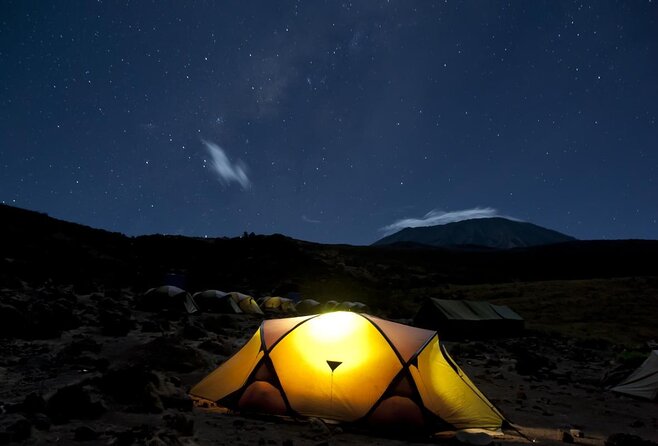
Simba Camp is basic. The listed facilities are a public toilet and a wooden table with benches. There is no hut, so you should be comfortable with camping and with simple mountain facilities. A private portable toilet is optional but highly recommended, especially if basic public toilets are a concern.
Day two: First Caves to Kikelewa Camp
Day two is longer, covering about 11.8 kilometers in six to seven hours. You climb from Simba Camp toward Kibo, reaching First Caves at about 3,482 meters for lunch.
The first section covers around 5.8 kilometers. After lunch, the trail continues to Kikelewa Camp at roughly 3,679 meters. The vegetation changes into moorland, and the views begin to open. This is the point when the mountain starts to feel much larger than it did in the forest.
The cave country adds character to this section. Water can be found in a stream below the cave, although you may need to walk downhill to find a usable pool. That detail is important because water access is not always right beside camp. Your crew handles daily drinking water, but you should still follow their instructions and carry what you need during the walk.
Kikelewa is a useful acclimatization stop because you gain height steadily rather than making one sudden jump. Still, six or seven hours of walking at increasing altitude can be tiring. Keep your pace slow, take the breaks offered, and do not treat a good first morning as proof that altitude will not affect you later.
Day three: Mawenzi Tarn and a valuable acclimatization afternoon
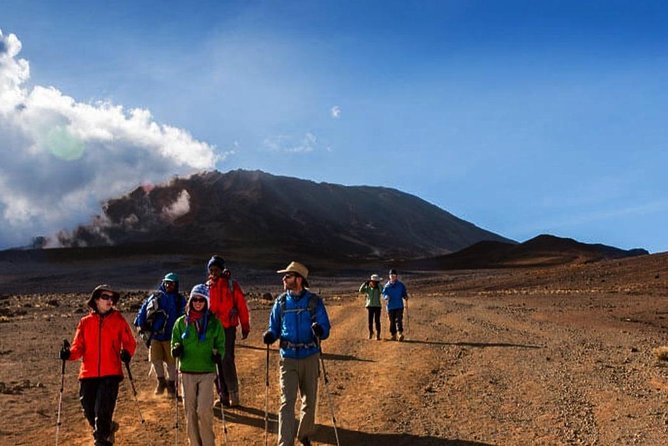
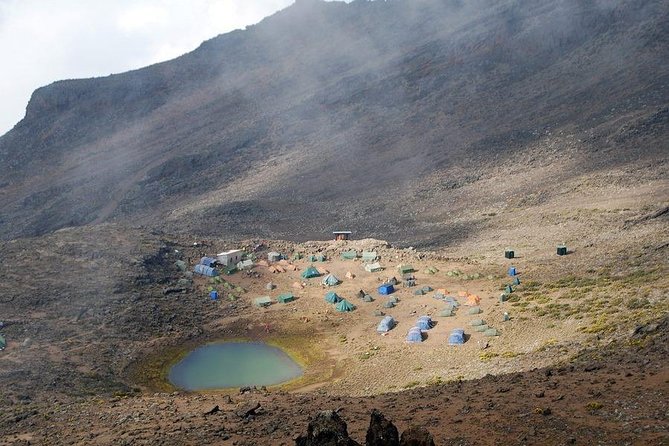
Day three is shorter, at about 3.7 kilometers and roughly three hours of hiking. It is also steeper. You climb grassy slopes toward Mawenzi Tarn, where the vegetation zone ends shortly before camp.
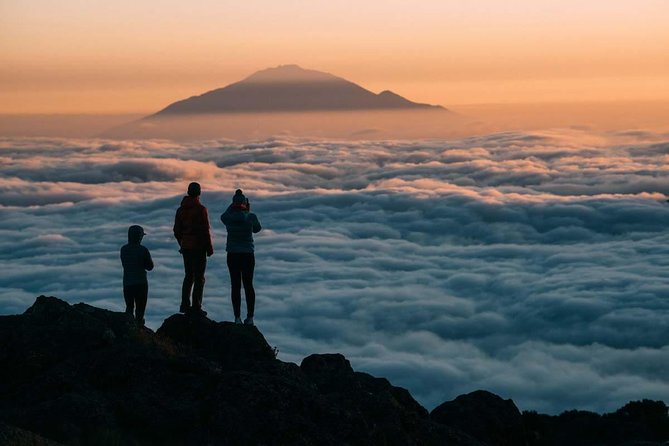
The reward is the setting. Mawenzi Tarn sits beneath the sharp spires of Mawenzi Peak, one of the most striking parts of the Kilimanjaro massif. The afternoon is set aside for acclimatization and exploration, which is one of the strongest features of this six-day plan.
You should use that afternoon wisely. This is not simply spare time for wandering around. Rest, eat, drink, and let your body adjust to the altitude. If you feel well, a short walk around camp can help you see the area without wasting energy.
Mawenzi Tarn is also where the route feels most remote. There are fewer crowds than on some other approaches, and the rocky spires create a more dramatic setting than the gentler forest of day one. If your main reason for choosing Rongai is quiet camping and wilderness scenery, this is likely your favorite overnight stop.
More Hiking Tours in Nakuru:
- Kilimanjaro Wanderlust Day Hike
★ 5.0 · 8 reviews - 12 Days wildebeest migration Masai Mara Nakuru Uganda gorilla trekking safari
★ 4.5 · 3 reviews - Hell’s Gate & Lake Naivasha: Bike Tour, Hike & Boat Ride
★ 5.0 · 3 reviews - Mount Longonot Day Hiking From Nairobi
★ 5.0 · 1 review
Day four: crossing the saddle toward Kibo Hut
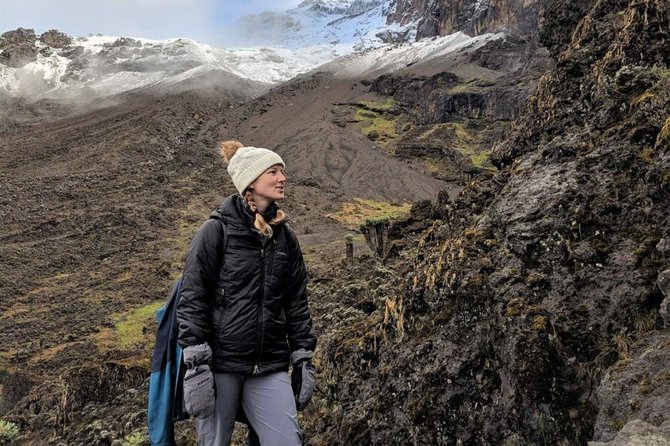
After breakfast, you cross a small ridge and walk along the northern side of the saddle between Mawenzi and Kibo. The day covers about nine kilometers in four to five hours, with alpine desert replacing the moorland.
The vegetation is sparse, with hardy grasses and occasional everlasting flowers. In good weather, the views across this high area are excellent. The trail eventually joins the Marangu route at the saddle, and from here the final approach to the summit follows the same route used by climbers coming from Marangu.
This change is worth understanding. Rongai gives you a quieter approach, but the final summit path is not exclusive to Rongai. Near Kibo, the route merges with a busier mountain corridor. That does not erase the benefits of Rongai, but it means the solitude is strongest during the first half of the climb.
The itinerary places you at Kibo Hut, about 4,700 meters, before summit night. This is a high, stark camp in the alpine desert. Keep the afternoon quiet, prepare your clothing and headlamp, and try to rest even if sleep is difficult. You will start again around 11:00 p.m. to 11:30 p.m.
Day five: Uhuru Peak and the long return to Horombo
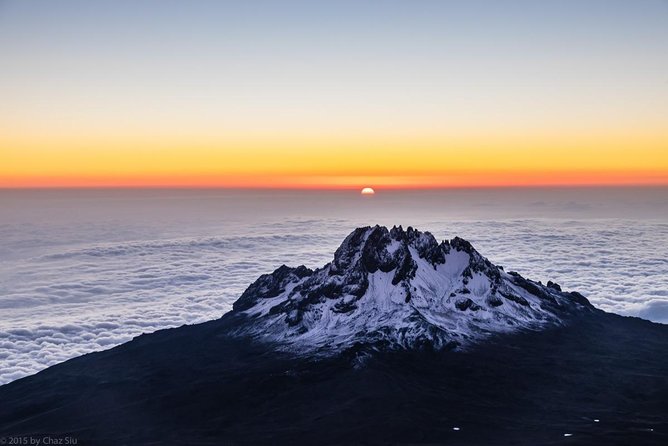
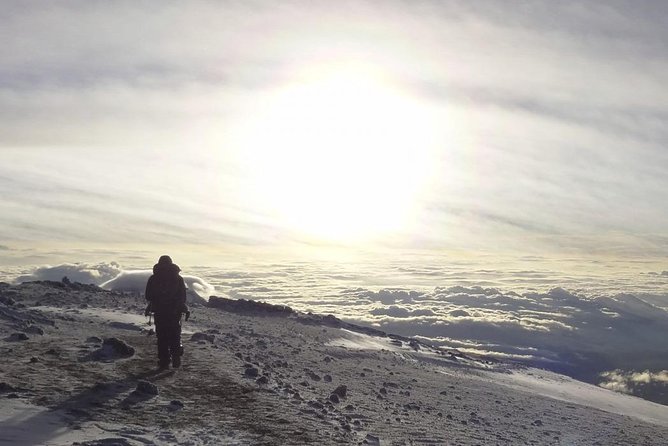
This is the day that decides the trip. You leave Kibo Hut after a light snack of biscuits and tea, then begin the rough ascent through stone scree toward the crater rim.
The route passes Williams Point at about 5,000 meters and Hans Meyer Cave at around 5,150 meters. From Kibo Hut, reaching Hans Meyer Cave takes about two and a half hours. You then continue toward Gillman’s Point at 5,681 meters on the crater rim.
The stated route continues from Gillman’s Point to Uhuru Peak at 5,895 meters. The ascent is listed at about eight hours, followed by roughly six hours down to Horombo Hut. The total walking distance is about six kilometers up and 21 kilometers down, with around 14 hours on the move.
That distance looks strange until you remember how summit days work. The climb is slow and steep, and the descent is long because you go beyond the summit back to a lower overnight camp. Reaching Uhuru Peak is the goal, but getting safely to Horombo is just as important.
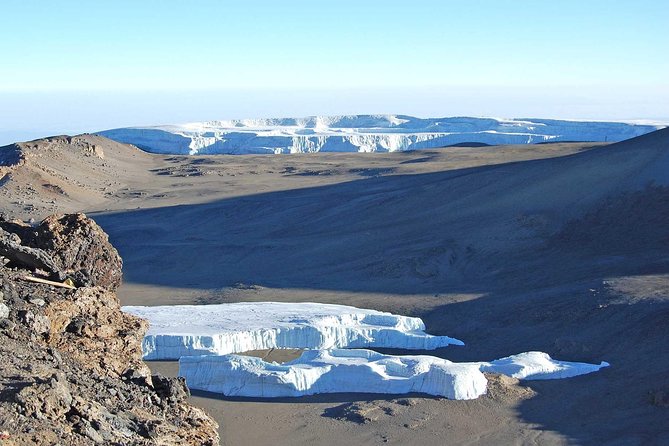
The summit environment is described as stone scree and ice cap. Conditions can be cold and demanding, and the rough surface requires careful footing. Emergency oxygen is included for emergencies only, not as a way to help you reach the summit. A basic first aid kit is also carried for emergencies.
You should see the summit certificate system as a small but satisfying finish. Those reaching Gillman’s Point receive a green certificate, while those reaching Uhuru Peak receive a gold certificate. The certificate does not measure the whole climb, but it gives the day a clear ending after the long night.
Day six: Mandara Hut, Marangu Gate, and the finish
After breakfast at Horombo Hut, you descend for about six hours. The route passes Mandara Hut at 2,700 meters before continuing to Marangu Gate at 1,980 meters.
The distance is about 27 kilometers, so this is not a casual stroll after summit day. The vegetation shifts through the low alpine zone and back into montane forest. You may feel relieved to be descending, but your legs will still be carrying the cost of the summit push.
There is a short lunch break near Mandara Hut before the final walk to the gate. At Marangu, you sign the register and receive your certificate. The finish can include singing, dancing, celebration, and a farewell and tipping session for the crew.
That crew is a major part of the experience. The package includes a qualified mountain guide, assistant guides, porters, and a cook, with salaries stated to follow Kilimanjaro National Park guidelines. A published account praised the guides, porters, and chefs, as well as the care provided throughout the climb. That kind of support matters most on day five, when food, pacing, camp work, and encouragement all become practical necessities.
What the $2,350 price really covers
At $2,350 per person, this is not a budget walk, but the price includes more than the trail time. You receive private transportation, airport transfers between Kilimanjaro Airport and Moshi, and a hotel night before and after the climb with dinner and breakfast.
The mountain package also includes park fees and taxes, daily fresh drinking water, hot water for washing, meals, and the mountain crew. Emergency oxygen and a basic first aid kit are included for emergency use.
Lunch is listed as included, while the meal section uses optional labels in places. I would confirm exactly which meals are covered on each day before paying, especially lunches and any food during the summit night. Snacks are not included, and neither are personal medicine or water purification tablets.
The real extras are the costs that can catch you out:
- Flights and visas
- Health and travel insurance
- Personal trekking clothing and equipment
- Snacks and personal medicine
- Water purification tablets
- Meals and drinks not specifically covered
- An optional portable toilet
Gear rental is available from the operator’s equipment store in Tanzania. That can reduce the amount you need to pack, but I would confirm sizes, availability, rental prices, and the condition of each item before relying on it.
The price looks strongest for climbers who want a private trip with transport, hotel nights, and a full support team arranged in one package. It is less attractive if you already have local transport, camping equipment, or a mountain crew lined up.
Who should choose this six-day climb?
I would look closely at Rongai if you want a quieter route and do not like the idea of walking in a large stream of climbers. The northeast approach, cave country, and Mawenzi Tarn camp give this trip a distinct personality.
It also suits people who prefer a gradual first day and a route that combines two sides of the mountain. The route is private, so only your group participates. That gives you a more personal arrangement than a large shared departure, though the size of your own group is not stated.
This climb may be a poor fit if you want long acclimatization time or a relaxed summit schedule. Six days is a compact timetable, and day five is very long. You need to be ready for basic camps, rough ground, limited facilities, and a very early summit start.
A short Tanzania safari can be added after the climb on request. The details and price are not provided, so treat that as a possible extension rather than part of this package.
Practical points before you book
Plan around the meeting and finishing points carefully. The start is listed as Rongai, Tanzania, while ticket redemption is at Marangu, Tanzania, and the activity ends back at the meeting point. The transport is included, but I would confirm the exact pickup arrangements and how the final transfer works.
The wider location is described as Kenya’s Rift Valley Province, yet the stated route starts and finishes in Tanzania. That is likely a location-label issue, but it is worth checking on your booking documents if you are arranging visas, accommodation, or onward transport.
The operator offers free cancellation if you cancel at least 24 hours before the local start time. Changes or cancellations inside that window are not accepted for a refund. Confirmation is provided at booking.
The tour is marked as suitable for most people, but that should not replace honest preparation. Kilimanjaro remains a high-altitude climb. Discuss your health and insurance needs with a qualified professional, and make sure your policy covers the activity you are booking.
Should you book the Rongai Route?
Book it if your priorities are quiet trails, Mawenzi Tarn, and a well-supported private climb. The route gives you a slower opening, a different view of Kilimanjaro, and a descent through Marangu rather than a return along the same path.
Think twice if you want an easier summit day or more time for acclimatization. The $2,350 cost is reasonable for the transport, hotels, park fees, meals, crew, and emergency equipment included, but you must budget for insurance, gear, snacks, visas, and possibly a portable toilet.
My practical call: choose Rongai for its peaceful approach and strong support package, then confirm the meal details, gear rental, pickup plan, and summit-day expectations before booking.
FAQ
Where does the Rongai Route trek start?
The trek starts at Rongai, Tanzania, near Nale Moru village. You first travel from Moshi to Marangu park gate for registration, then continue by road to the Rongai trailhead.
Where does the trek finish?
The descent finishes at Marangu Gate in Tanzania. The activity information also says it ends back at the meeting point, so confirm the final transfer details with Intrepid Explorer Tanzania.
How long is the Rongai Route trek?
The trek lasts approximately six days. Hiking times range from about three hours on day three to about 14 hours on summit day.
Is the Rongai Route private?
Yes. This is a private activity, and only your group participates.
What is included in the $2,350 price?
The package includes park fees and taxes, private transportation, airport transfers, hotel nights before and after the climb, dinner and breakfast at those hotels, a mountain guide, assistant guides, porters, a cook, crew salaries, drinking water, hot washing water, emergency oxygen, and a basic first aid kit.
Is a portable toilet included?
No. A portable toilet is optional, but it is highly recommended. The camps may otherwise have basic public toilet facilities.
Can I add a safari after the climb?
Yes. A short Tanzania safari can be added after the climb by request. The available safari plans and prices are not specified.
Just added in Nakuru
- Wild Encounters: Hell’s Gate National Park Adventure★ 5.0 · 1 review
- Zaina Falls:Waterfall Wander and Picnic Bliss★ 5.0 · 1 review
- Kilimanjaro Wanderlust Day Hike★ 5.0 · 8 reviews
- Lake Nakuru NP Half-Day Safari★ 4.0 · 4 reviews
- Bike Rental at Home of Champions – Iten Kenya★ 5.0 · 7 reviews
- Lake Nakuru Day Trip Safari – & Optional Lake Naivasha Boat★ 5.0 · 5 reviews
- Amboseli Cultural & Wildlife Tour – 4 Day Unforgettable Budget Safari★ 5.0 · 2 reviews
- 2 Days 1 Night tour to the Amboseli National Park.★ 5.0 · 1 review
Nakuru Tours, compared.
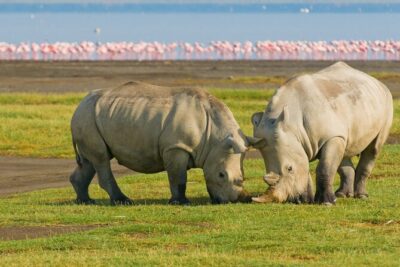
5 Days Masai Mara, Lake Nakuru & Naivasha Budget Joining Safari
Read our review →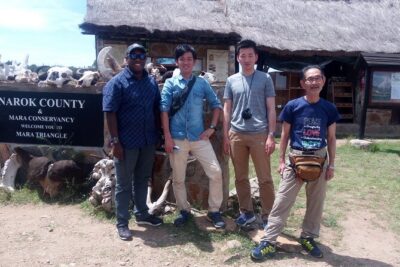
4 Days Safari Lake Nakuru NP Naivasha and Masai Mara
Read our review →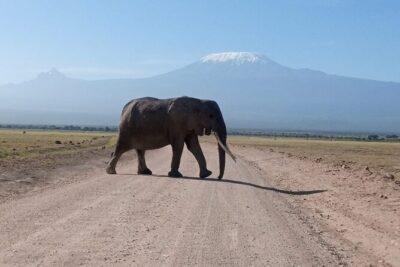
5 Days Lake Naivasha, Lake Nakuru, & Masai Mara
Read our review →
Full Day Lake Nakuru Park and optional boat ride on Lake Naivasha
Read our review →
4 Days Safari Adventure Masai Mara and Nakuru Park Group
Read our review →
Day Tour To Lake Nakuru Park With Optional Boat Ride on Lake Naivasha
Read our review →
Lake Nakuru, Naivasha & Masai Mara 4 Days Private Jeep Safari
Read our review →Browse the lists this tour appears in