
Reviewed · MOUNT KENYA TREKS
Mt. Kenya hike: 5 Days Hike to Lenana Peak Via Sirimon route
Sunrise from Point Lenana is worth the sore legs. This five-day Mt. Kenya hike combines a gradual climb on the Sirimon Route with a dramatic descent through Chogoria’s Gorges Valley, giving you changing scenery without repeating the same trail. I especially like the quiet feel of this route and the built-in acclimatization day at Shipton’s Camp.
I also like that the $1,000 price includes park fees, tents, meals, porters, a guide, rescue insurance, and transport arrangements. The main caution is simple: this is a hard mountain trek, not a casual nature walk. Cold nights, thin air, long days, and a midnight summit start demand proper preparation.
In This Review
- The key details at a glance
- Why the Sirimon to Chogoria route works well
- Day 1: Nairobi to Old Moses Camp at 3,330 meters
- Day 2: Mackinder’s Valley and Shipton’s Camp
- Day 3: Acclimatization at 4,200 meters
- Day 4: The midnight climb to Point Lenana
- Day 5: Gorges Valley and the return to Nairobi
- What the $1,000 price covers
- Guides, porters, meals, and camp life
- Fitness, cold, and altitude: the real preparation
- The Mau Mau caves and the wider meaning of the mountain
- Who should book this hike?
- Should you book the Sirimon and Chogoria hike?
- FAQ
- How long is the Mt. Kenya hike?
- Which route does the hike use?
- What summit does the hike reach?
- Is there an acclimatization day?
- What accommodation is provided?
- Are meals and water included?
- Are park fees and guides included?
- Can the final descent be shortened by vehicle?
The key details at a glance
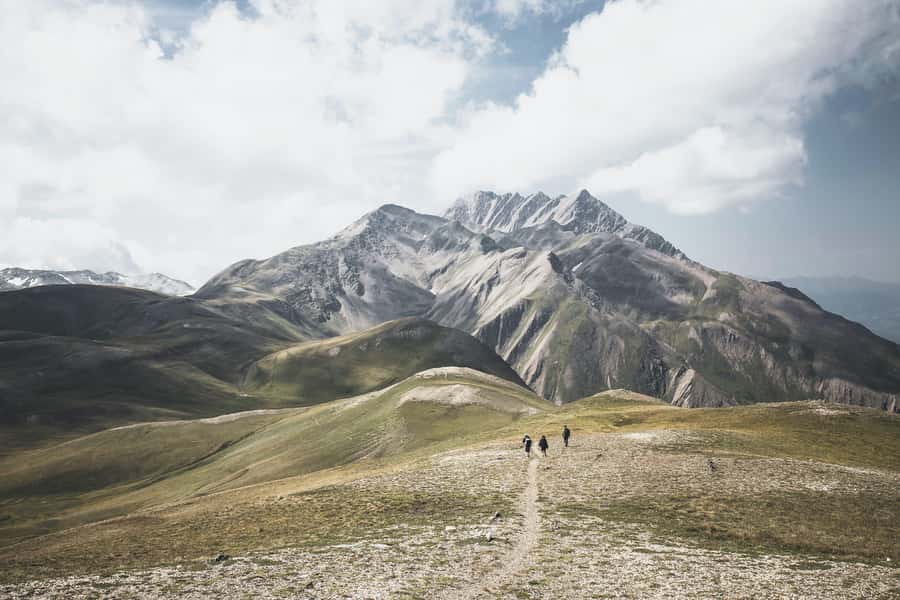
- Point Lenana at 4,985 meters: Reach Mount Kenya’s highest trekkable summit at sunrise, with possible views toward Mount Kilimanjaro on a clear morning.
- Sirimon up, Chogoria down: You climb through forest, heathland, and Mackinder’s Valley, then return through moorland, waterfalls, and the Gorges Valley.
- A useful acclimatization day: Spending an extra night at Shipton’s Camp gives your body time to adjust before the summit attempt.
- Mau Mau caves along the route: The mountain is not only about scenery. The caves connect the hike with Kenya’s independence struggle.
- Small comforts included: You receive tents, a sleeping mat, three meals each day, porters, 3 liters of water per day, and rescue insurance.
- A demanding but well-supported trip: The guides and porters help carry the load, but you still need warm clothing, a sleeping bag, and suitable climbing gear.
Why the Sirimon to Chogoria route works well
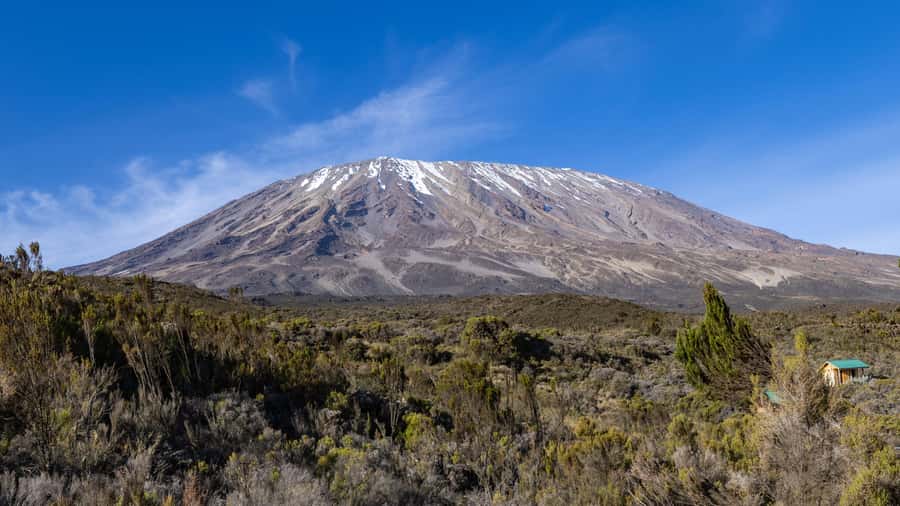
The route gives you two different views of Mount Kenya. Sirimon provides a steady approach to the high camps, while Chogoria offers a more dramatic exit with waterfalls, moorland, and the Gorges Valley.
I like this arrangement because the scenery keeps changing. You are not simply walking up and walking back down the same track. The route also tends to see fewer climbers than some other approaches, which can make the mountain feel quieter and more personal.
The five-day schedule is still brisk. You spend the first two days gaining a lot of altitude, take one day to adjust, then make the summit attempt during the coldest and darkest part of the trip. The schedule makes sense, but it leaves little room for a slow day if you are struggling.
This is a guided expedition for solo hikers and people joining a group. An English-speaking guide leads the walk, and porters support the camp routine and luggage. The arrangement makes the climb more manageable, but it does not remove the physical work. You still need to walk for several hours each day and handle steep, rocky ground near the summit.
More Hiking Tours in Nairobi
- Private Hiking Day Trip to Mt. Longonot from Nairobi
★ 5.0 · 58 reviews - Private Half Day Hike to Ngong Hills from Nairobi
★ 5.0 · 20 reviews - Mt Longonot National park Day Hike
★ 4.9 · 18 reviews
Day 1: Nairobi to Old Moses Camp at 3,330 meters
Your day starts with an early private pickup from your hotel. You go to Nairobi CBD and then take a public shuttle to Nanyuki Town before continuing to Sirimon Park Gate.
That combination of private and public transport keeps the package practical, but you should expect a full travel day before the hike really gets going. The public shuttle is part of the plan, so this is not a private door-to-trail transfer from Nairobi.
At Sirimon Gate, you complete park entry formalities and begin walking through forest and heathland. The first trek takes about four to five hours and gains altitude at a gradual pace. That slower start matters because it gives your body a better chance to adjust than a sudden, steep ascent would.
Lunch is served along the trail. You then continue to Old Moses Camp at 3,330 meters, arriving in the afternoon for dinner and a night in tents.
Old Moses is a useful first camp because it marks the shift from lower forest into the higher mountain zone. You should not expect luxury here. The important comforts are a tent, sleeping mat, hot meals, and the support of the guide and porters.
The evening can be cold, and this is a good time to organize your sleeping bag and warm layers. A sleeping bag is not included, so you need to bring or hire one separately. The same applies to climbing gear.
Day 2: Mackinder’s Valley and Shipton’s Camp
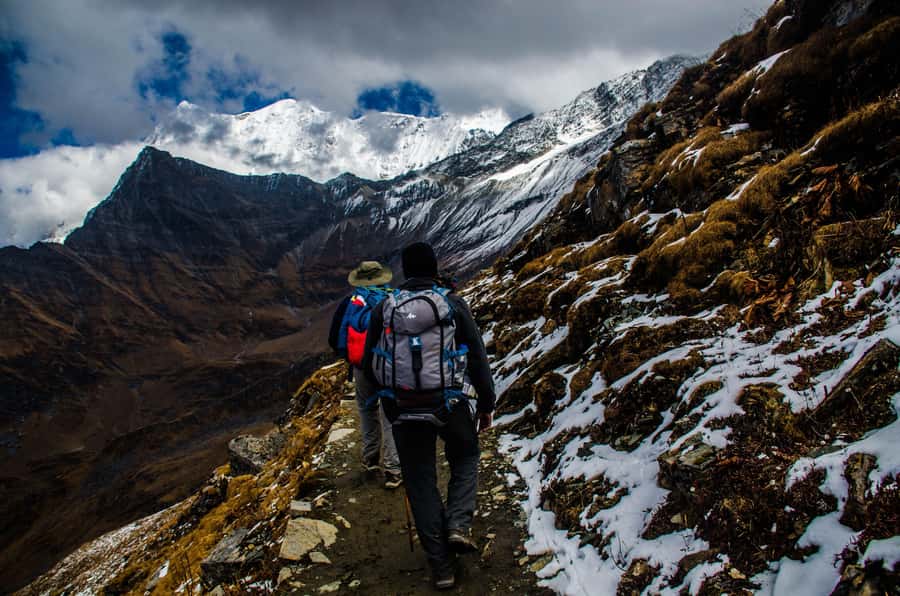
After breakfast, you set out for Shipton’s Camp. This is the longest regular walking day, lasting roughly six to seven hours.
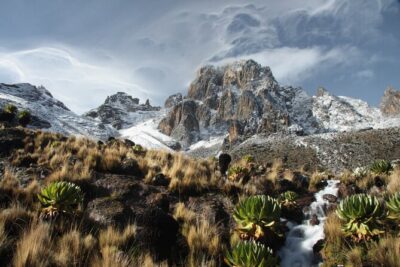
The trail passes through Mackinder’s Valley, where Mount Kenya’s high-altitude plant life gives the route a very different feel from the forest below. The vegetation becomes more unusual and spare as you climb, and you may see wildlife in this section.
Lunch comes along the way. The walking is steady, but the altitude makes the day harder than the distance alone suggests. You are heading to 4,200 meters, so every uphill stretch costs more effort.
Shipton’s Camp is the main staging point for the summit. It is also where the climb begins to feel serious. The altitude can affect sleep, appetite, energy, and breathing, even if you are normally fit.
Dinner and another night in a tent are included. Large food portions are one practical advantage of the package. A previous participant described receiving three good meals daily, with portions large enough to match the effort of the hike. That matters on a mountain where you are burning energy for most of the day.
Still, do not treat food as a cure for altitude problems. Eat steadily, drink the provided water, and tell your guide if you feel unwell.
Day 3: Acclimatization at 4,200 meters
The third day is not a wasted day. It is one of the most important parts of the schedule.
You remain at Shipton’s Camp and spend the day helping your body adjust to the altitude. Optional short walks toward Hausberg Col or Kami Tarn provide a chance to move without committing to another long trekking day.
This extra night improves the logic of the itinerary. A five-day climb can be rushed, so a rest and adjustment day gives you a better chance of reaching Point Lenana safely. It also lets you look around the high camp before the summit push rather than arriving there exhausted late in the afternoon.
You may find the day less restful than expected. At 4,200 meters, sitting in a tent can feel cold and uncomfortable, and the optional walks still take effort. Keep your pace easy and save strength for the summit.
All meals are provided, and you sleep in a tent at Shipton’s Camp. Use the day to check your headlamp, warm layers, gloves, water, and personal items. The summit departure is around midnight, so you will need to prepare before trying to sleep.
More Mount Kenya treks:
- Climbing Mount Kenya 5 Days Via Chogoria Route
★ 5.0 · 44 reviews - Conquer Mt Kenya in 4 Days Sirimon to Chogoria Route Adventure
★ 5.0 · 16 reviews - 4-Day Mount Kenya Trekking with Pick Up
★ 5.0 · 14 reviews - Mt Kenya: Full-day hiking tour from Nairobi
★ 4.2 · 10 reviews
Day 4: The midnight climb to Point Lenana
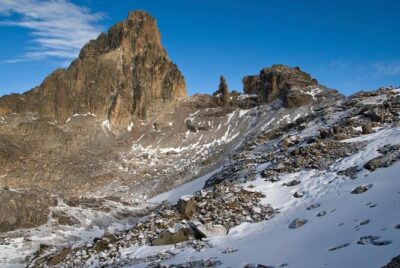
The summit day begins at about midnight. You climb in darkness toward Point Lenana, the 4,985-meter summit used by trekkers on Mount Kenya.
This is the hardest part of the expedition. You are walking at high altitude, after several days on the trail, during the coldest hours of the night. The final ascent can be exhausting and rough underfoot, so your guide’s pace and support are important.
The reward is arriving around sunrise. From Point Lenana, you can look across Mount Kenya and, on clear mornings, see Mount Kilimanjaro. Sunrise is not guaranteed to be perfectly clear, but the timing gives you the best chance to see the mountain in early light.
The temperature is a serious matter. One participant specifically warned that the evenings and nights are extremely cold and that warm clothing is essential. Bring more insulation than you think you will need, especially for the summit start. A warm jacket, hat, gloves, and proper layers are not optional extras here.
After Point Lenana, you descend by the Chogoria Route toward Mintos Camp at 4,250 meters. Breakfast is taken after the summit descent, with lunch later in the day.
That breakfast timing is sensible. Eating before a midnight start may be difficult, and you will likely appreciate a proper meal once you are lower and moving in daylight. Even so, the summit morning remains a long one, since you still descend to camp after reaching the top.
You spend the night in tents at Mintos Camp. This is another high-altitude night, so do not expect the summit to be the end of the physical challenge.
Day 5: Gorges Valley and the return to Nairobi
After breakfast, you leave Mintos Camp and descend through the Gorges Valley. This is one of the most scenic parts of the trip, with waterfalls and moorland along the route.
The descent offers a strong contrast to the Sirimon approach. Instead of focusing only on altitude and summit effort, you can take in the shapes of the valley and the changing plant life around you. Descending is easier on your lungs, but it can be hard on tired knees and feet.
You continue to Chogoria Gate and then travel to Chogoria Town. From there, you connect with a public shuttle back to Nairobi, arriving in the late afternoon.
An optional jeep transfer from Mintos Camp to the park gate can be arranged for an additional cost shared among the group. This could be useful after the summit day, but it changes the walking experience and is not part of the advertised base price.
The final return is another reason to keep your last day flexible. You are combining a mountain descent with road travel and a public shuttle, so do not plan an important evening commitment in Nairobi.
What the $1,000 price covers
At $1,000 per person, this is not a budget walk, but the package includes many costs that can add up on a mountain trip.
Included are park entry fees, tent accommodation, a sleeping mat, an English-speaking professional driver guide, porters, meals, water, airport transfers, and rescue insurance. You receive three meals per day, starting with lunch on the first day and ending with lunch on the final day.
The 3 liters of water per person per day is especially useful. Water logistics become more difficult as you climb, so having a stated daily supply removes one concern. You should still follow your guide’s instructions about drinking and use your own bottle or hydration system.
The porters also add real value. They help with equipment and camp support, allowing you to focus more on walking and altitude management. Be sure to pack responsibly and keep your personal bag as light as possible.
The package does not include alcoholic drinks, personal items, a sleeping bag, or climbing gear. Those exclusions are important. The price is easier to judge once you add the cost of renting or buying cold-weather equipment.
Airport transfers are included, but the itinerary also uses a public shuttle between Nairobi and Nanyuki, and again from Chogoria to Nairobi. That keeps transport costs under control, but it is less private and less predictable than using a dedicated vehicle throughout.
Guides, porters, meals, and camp life
The human support is one of the strongest parts of this trip. The guides are described as friendly and helpful, and Ken is singled out as a funny and supportive guide. Good humor matters when you are cold, tired, and facing another uphill section.
You should also expect a team rather than a solo guide. Porters assist with the practical work, while the guide handles the walking program and safety support. Ask questions early if you are worried about pace, symptoms, or equipment.
Meals are served three times daily, with generous portions. That is a major advantage during a five-day climb. You will want dependable food after six or seven hours of walking, and large servings help replace the energy you are using.
Camp life is basic. You sleep in tents, and a sleeping mat is supplied, but a sleeping bag is not. There is no indication of hotel-style comfort on the mountain, so treat the camps as functional bases rather than places to relax in comfort.
Fitness, cold, and altitude: the real preparation
The most useful warning is not to underestimate the difficulty. The route includes several long walking days, an overnight summit start, high-altitude camps, and a descent immediately after reaching Point Lenana.
You do not need to be a technical mountaineer based on the information provided, but you do need to be ready for strenuous trekking. The final approach to Point Lenana is not the place to discover that your boots, gloves, or fitness are inadequate.
Pack for cold nights first. Bring warm clothing for camp and the summit attempt, along with a sleeping bag and the required climbing gear. Drinks such as beer and wine are not included, and alcohol is a poor match for a demanding high-altitude schedule in any case.
The acclimatization day is there for a reason. Walk slowly, drink the supplied water, eat even when your appetite drops, and report problems to the guide. The rescue insurance included in the price is reassuring, but it is still better to respond early to altitude trouble than to wait until it becomes severe.
The Mau Mau caves and the wider meaning of the mountain
The Mau Mau caves add a historical layer to the climb. These caves are associated with Kenya’s Mau Mau period and give you a reminder that Mount Kenya has been part of the country’s human story, not only a place for outdoor sport.
The route therefore offers more than a summit photograph. You pass through different ecological zones, encounter unusual high-altitude vegetation, and connect with an important period in Kenyan history. The experience is strongest if you take time to listen when the guide explains the places along the route.
The scenery changes with altitude, from forest and heathland to alpine vegetation, moorland, valleys, and waterfalls. That variety is one reason I prefer the up-and-down route arrangement over a simple return along the same path.
Who should book this hike?
I would recommend this trip to hikers who want a serious but supported mountain challenge and who value changing scenery. It suits solo climbers who want to join a group, as well as people who prefer having guides and porters handle the route and camp support.
It is a good match for you if you can accept basic tent camping, cold nights, public shuttle transport, and a very early summit start. The built-in acclimatization day makes it more sensible than a rushed itinerary with no time at high camp.
I would hesitate to recommend it to anyone seeking a relaxed walking holiday, hotel comfort, or a private transport experience from Nairobi to the trail and back. The route is physically tiring, and the $1,000 price does not cover a sleeping bag or climbing gear.
Cancellation is flexible, with a full refund available if you cancel up to 24 hours before the start. You can also reserve now and pay later, which helps if you are still arranging flights or equipment.
Should you book the Sirimon and Chogoria hike?
Book it if Point Lenana at sunrise is your main goal and you want a route with strong scenery, a quieter feel, porters, full meals, and an acclimatization day. The guides, generous food, and rescue insurance make the price easier to justify.
Before paying, confirm your sleeping bag and climbing gear plan, and be honest about your ability to handle six-hour trekking days and a midnight ascent. If you prepare for the cold and respect the altitude, this five-day route offers a demanding, memorable way to see Mount Kenya from several sides.
FAQ
How long is the Mt. Kenya hike?
The expedition lasts five days, beginning with travel from Nairobi to Sirimon Gate and ending with the return from Chogoria Town to Nairobi.
Which route does the hike use?
You ascend via the Sirimon Route and descend via the Chogoria Route.
What summit does the hike reach?
The trek reaches Point Lenana at 4,985 meters, the third-highest peak on Mount Kenya.
Is there an acclimatization day?
Yes. Day 3 is spent acclimatizing at Shipton’s Camp, with optional short hikes toward Hausberg Col or Kami Tarn.
What accommodation is provided?
Accommodation is in tents, and a sleeping mat is included. A sleeping bag is not included.
Are meals and water included?
Yes. Three meals per day are provided, starting with lunch on Day 1 and ending with lunch on Day 5. The package also provides 3 liters of water per person per day.
Are park fees and guides included?
Yes. The price includes park entry fees, an English-speaking professional driver guide, porters, rescue insurance, and airport transfers.
Can the final descent be shortened by vehicle?
An optional jeep transfer from Mintos Camp to the park gate can be arranged at an additional cost shared among participants.
Just added in Nairobi
- Wildlife Capital: Half-Day Safari at Nairobi National Park★ 5.0 · 2 reviews
- 3 days maasai mara migration safari★ 4.5 · 7 reviews
- 4 Days Tour Landcruiser in Masai Mara and Lake Nakuru★ 5.0 · 10 reviews
- 4 Days Safari to Lake Nakuru N/P and Maasai Mara N/R★ 5.0 · 18 reviews
- Day Tour to Nairobi national park, Elephants, and Giraffe Center★ 3.5 · 8 reviews
- 6 Days Kenya Budget Group Safari★ 5.0 · 2 reviews
- Maasai Mara Day Trip★ 5.0 · 15 reviews
- 3 Days Masai Mara Wildebeest migration Budget safari★ 5.0 · 2 reviews
Mount Kenya Treks, compared.
Conquer Mt Kenya in 4 Days Sirimon to Chogoria Route Adventure
Read our review →
4 Days Mt Kenya Climb, Chogoria Route up and out Sirimon route
Read our review →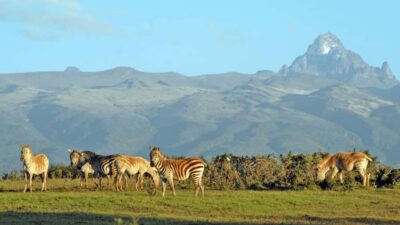
5 Days Mount Kenya Climbing Via Chogoria Sirimone Route
Read our review →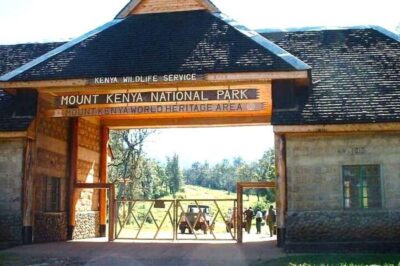
Browse the lists this tour appears in