
Reviewed · ELEPHANT ORPHANAGE TOURS
Elephant Orphanage Trust, Giraffes & Bomas of Kenya Day Tour
Wildlife and culture fit neatly into one Nairobi day. This private tour combines close encounters with Rothschild’s giraffes and rescued baby elephants with the music, dance, and traditions of Kenya’s 53 ethnic communities. I like the way it joins conservation with culture, and I also like that hotel pickup, private transport, bottled water, guides, and the main admission tickets are included. The main catch is the extra elephant sanctuary conservation fee, which is not included and must be paid by card through the E-Citizen system.
I also appreciate the careful timing. The elephant session runs from 11 a.m. to noon, so your guide needs to keep the morning moving. The possible visit to Kobe Beads adds a useful community angle, while the Bomas performances give the day a strong finish. Just remember that lunch costs extra, and the schedule can feel full if you want to linger at every stop.
In This Review
- Key points at a glance
- Why this Nairobi combination works
- Starting with giraffes at the raised platform
- The 11 a.m. elephant orphanage session
- A closer look at Kobe Beads
- Lunch and the shift to Bomas of Kenya
- Guides, transport, and the pace of the day
- Who gets the best value from the $123 price
- Practical booking advice before you go
- Should you book this Nairobi wildlife and culture tour?
- FAQ
- What is included in the $123 tour price?
- Is the elephant orphanage conservation fee included?
- How can I pay the elephant orphanage fee?
- What time is the elephant orphanage visit?
- Is lunch included?
- What languages are available?
- Is the tour suitable for people with mobility impairments?
- Can I cancel the tour for a full refund?
Key points at a glance
- Rothschild’s giraffes: Feed and observe this endangered giraffe through the Giraffe Centre’s raised wooden platform.
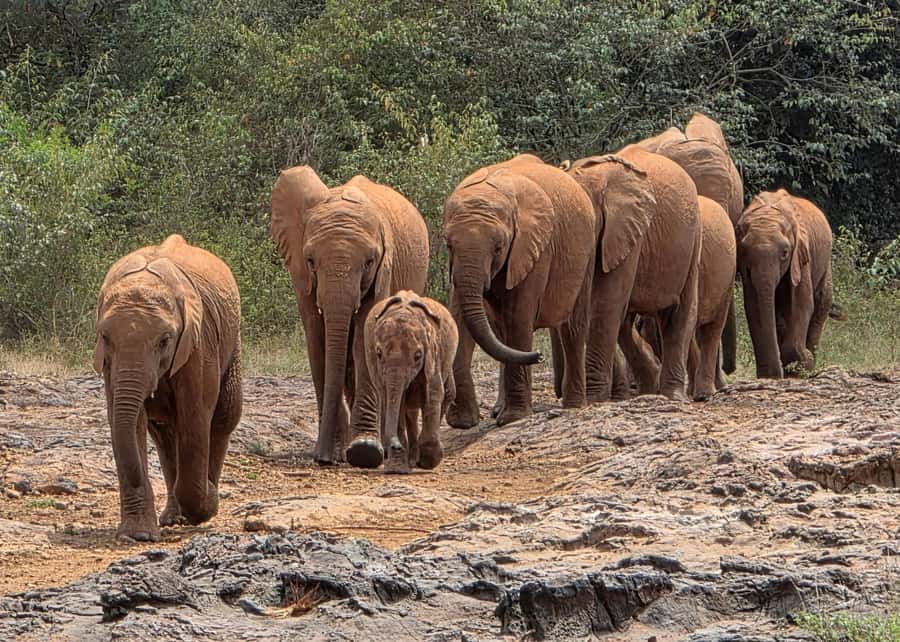
- Baby elephants at midday: See orphaned elephants receive milk, play, and take sand or mud baths during the daily keeper-led session.
- Kobe Beads community visit: Watch beads being made from start to finish at a factory supporting single mothers.
- Bomas of Kenya performances: See traditional dances from different Kenyan communities, including Samburu and Maasai warrior performances.
- Private transport and hotel pickup: The tour keeps transfers simple, with pickup and drop-off at your original departure point.
- Extra cost to plan for: Adult conservation fees at the elephant orphanage are $43, or $22 for children, payable by card only.
Why this Nairobi combination works
Nairobi gives you an unusual advantage: important wildlife conservation centers are close enough to visit in one day. You do not need to leave the city for a taste of Kenya’s animal life, and you can add a cultural performance without arranging several separate outings.
The day works best if you see it as three connected stories. At the Giraffe Centre, you learn about a breeding and conservation effort. At the elephant orphanage, you see the demanding work of rescuing and caring for young animals. At Bomas of Kenya, you shift from wildlife to the people, music, homes, and customs of the country.
That mix makes this more than a simple animal-photo outing. You get plenty of memorable pictures, but you also learn why these animals need protection and how Kenyan communities preserve their traditions.
The price is $123 per person. That is a reasonable figure for a private, all-day outing with transport, a professional guide, bottled water, and entry tickets to the Giraffe Centre and Bomas of Kenya. The elephant conservation charge changes the calculation, though. Add $43 for an adult, or $22 for a child, and the real adult cost is at least $166 before lunch and any optional purchases.
For some visitors, that total is still worthwhile because it removes the trouble of organizing several Nairobi stops. For others, especially families watching every dollar, the extra fee may come as an unpleasant surprise. Check that you have a working Visa or Mastercard, since cash is not accepted at the elephant sanctuary gate.
More elephant orphanage visits:
- Elephant Orphanage and Giraffe Center Tour with Options
★ 4.5 · 457 reviews - Nairobi National Park, Elephant Orphanage and Giraffe Centre
★ 4.6 · 365 reviews - From Nairobi: Elephant Orphanage and Giraffe Center Day Trip
★ 4.5 · 235 reviews
Starting with giraffes at the raised platform
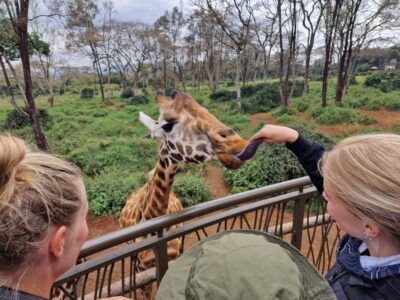
The Giraffe Centre is a strong first stop because it gives you an immediate animal encounter without a long wait. The center is home to the endangered Rothschild’s giraffe, and you can observe and handfeed the giraffes from a raised wooden structure.
The platform puts you close to the animals at eye level. That changes the experience from simply watching giraffes across a wide field. You can see their faces and long tongues up close, and the feeding area gives you a clear setting for photographs.
I like this stop because it also has a conservation message behind the fun. The African Fund for Endangered Wildlife began its work in 1979, when only about 120 Rothschild’s giraffes were left in the wild. Your guide explains how the organization works to protect and increase the population.
That background matters. Handfeeding can feel like a novelty, but here it is tied to a larger effort to protect a specific endangered giraffe. You are not just checking an animal off a list. You are learning why this particular giraffe needs help.
Allow some attention for the smaller details, too. Warthogs may be snuffling around in the mud, adding a bit of comic relief to the visit. There is also a self-guided forest walk beside the Gogo River Bird Sanctuary. If your schedule allows, this gives you a quieter break from the feeding platform and a chance to look for birdlife.
The drawback is time. The itinerary has to keep you on track for the elephant session at 11 a.m. If you enjoy reading every sign or taking a slow walk, ask your guide how much time is available before moving on.
The 11 a.m. elephant orphanage session
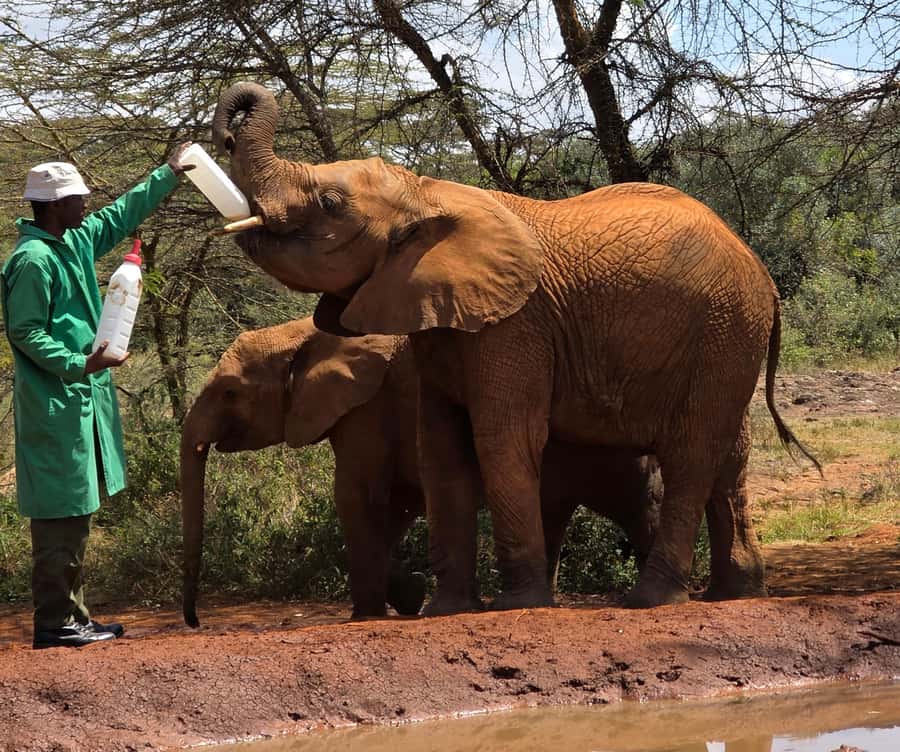
The elephant orphanage is the emotional center of the day. The guided visit takes place daily from 11 a.m. to noon, with experienced keepers explaining the sanctuary’s work in elephant conservation.
This fixed hour is important. Arriving late means missing part of the main presentation, so the earlier stops need to run on schedule. A private guide is useful here because your transport and morning timing are handled for you.
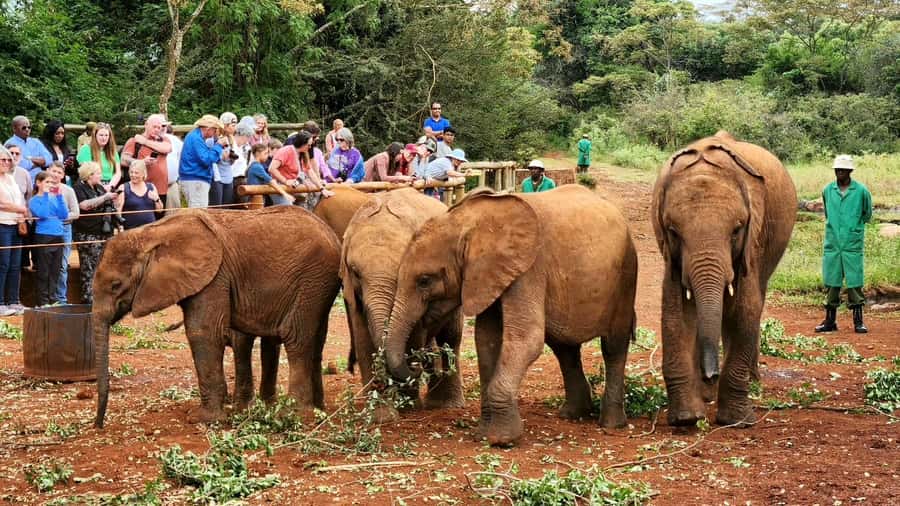
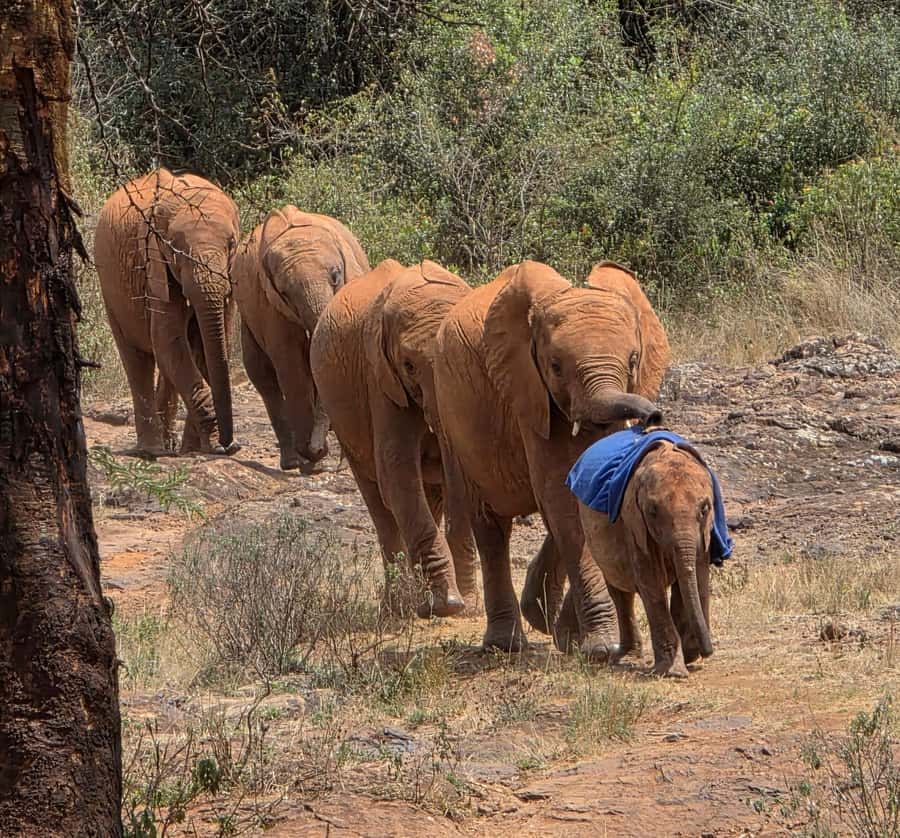
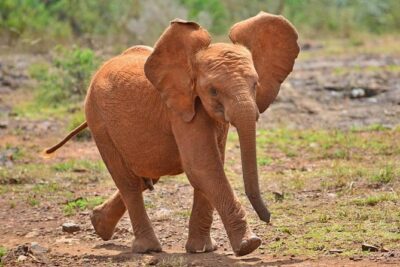
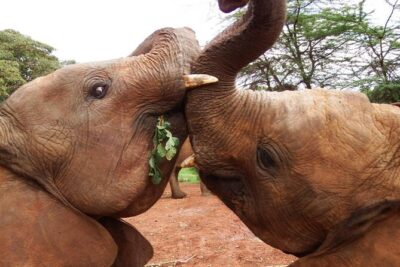
During the session, you can see baby elephants receive bottles of milk, rest, play, and cool themselves with sandbaths and mud baths. These ordinary routines are what make the visit memorable. You are watching the care work that keeps orphaned elephants alive and prepares them for eventual protection in the wild.
The experience can also be physically close. One visitor described being able to pet the elephants, while the tour information emphasizes close viewing, photography, and interaction with the animals. Follow the keepers’ instructions carefully. The welfare of the elephants should come before getting the perfect photograph or reaching out for a touch.
You may also have the chance to adopt or sponsor one of the orphaned elephants. That option gives the visit a practical follow-up. If the conservation message affects you, you can support a particular animal instead of treating the stop as a one-hour photo opportunity.
The extra $43 adult conservation fee deserves special attention. It is a statutory charge required to enter the elephant orphanage, and it is paid at the gate through the E-Citizen platform. No cash is accepted. Bring a Visa or Mastercard and confirm that your card can handle the payment before leaving your hotel.
This is also the point where expectations should stay realistic. The visit is a scheduled keeper-led session, not an open-ended chance to wander around with elephants all day. That structure is a benefit for animal care, but it means you have a set window and limited control over the pace.
A closer look at Kobe Beads
The Kobe Beads visit is optional, but it adds an important human side to the itinerary. This pottery and bead-making company employs single mothers from a poor neighborhood, giving them a way to earn money and support their families.
You can see the bead-making process from beginning to end. That makes the stop more interesting than a quick shop visit because you see the work behind the finished pieces.
I like this part of the day for two reasons. First, it shows how a local enterprise can support women and families. Second, it gives you the chance to buy something with a clear connection to the community, if you choose to do so.
Still, keep your shopping expectations in check. The visit is described as complimentary and optional, but the tour information does not specify how long you spend there or what purchases cost. If you are not interested in buying crafts, tell your guide so you can use your time well.
The stop also creates a change of pace. After animals and before the afternoon performances, you get a look at skilled handwork and local employment. That variety helps prevent the day from feeling like a string of similar attractions.
More Bomas of Kenya visits:
- Giraffe Centre, Elephant Orphanage, and Bomas of Kenya Day Tour from Nairobi
★ 4.5 · 96 reviews - Half-Day Cultural Tour to Bomas of Kenya in Nairobi
★ 4.5 · 23 reviews - Nairobi city sights, Giraffe Encounters and Bomas Kenya Tour
★ 5.0 · 19 reviews - Half-day tour Bomas of Kenya with Pick-up
★ 5.0 · 19 reviews
Lunch and the shift to Bomas of Kenya
Lunch is not included, but you can be driven to a local restaurant to try Kenyan food. This gives you flexibility, although you should budget separately and expect the meal to add both cost and time to the day.
A local meal can be one of the more personal parts of the tour because it moves you away from a purely organized attraction schedule. Ask your guide what is available and how long the meal break will be. Since the Bomas program follows, you do not want lunch to make you miss a performance.
After lunch, the tour turns toward Kenya’s cultural traditions at Bomas of Kenya. The center presents customs from 53 ethnic communities through traditional dances, homesteads, and explanatory sessions.
The homesteads help make the cultural presentation more concrete. Instead of hearing only about traditions, you can visit different types of homes and see how communities represent their daily life and values.
The daily program includes a selection of 15 traditional dances. One of the most notable parts is the performance by Samburu and Maasai warriors. Expect music, movement, costume, and a lively stage presentation rather than a quiet museum visit.
This stop is especially useful if you have limited time in Kenya. You get an introduction to several communities in one place. That is not the same as visiting those communities in their own regions, but it is a practical way to see a broad selection of dances and learn basic cultural context during a Nairobi day.
The limitation is built into the format. A staged performance presents selected traditions for an audience, so it cannot show every part of Kenyan life. Take it as an introduction, not a complete picture of 53 communities.
Guides, transport, and the pace of the day
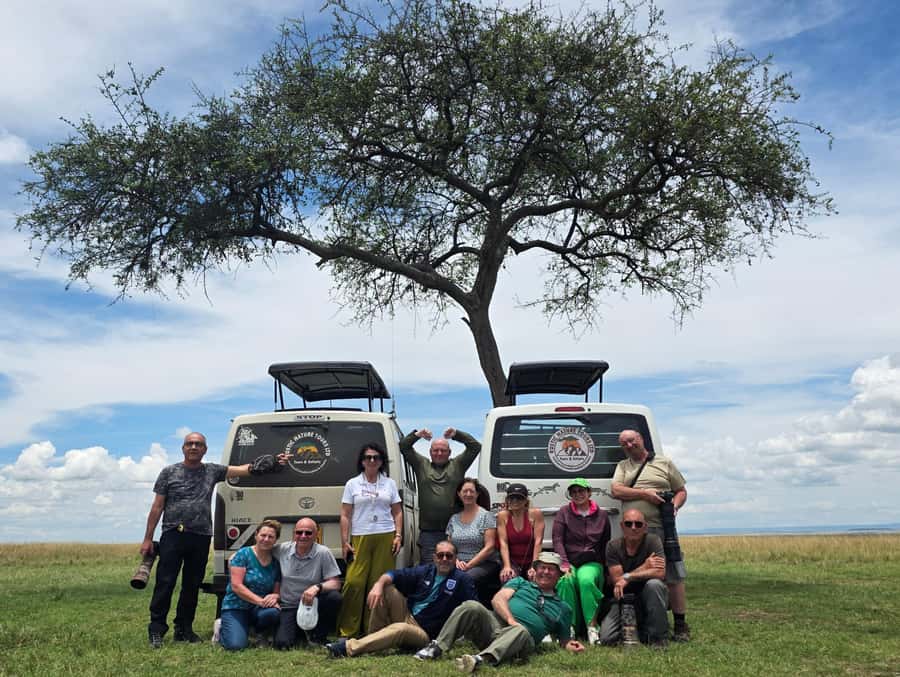
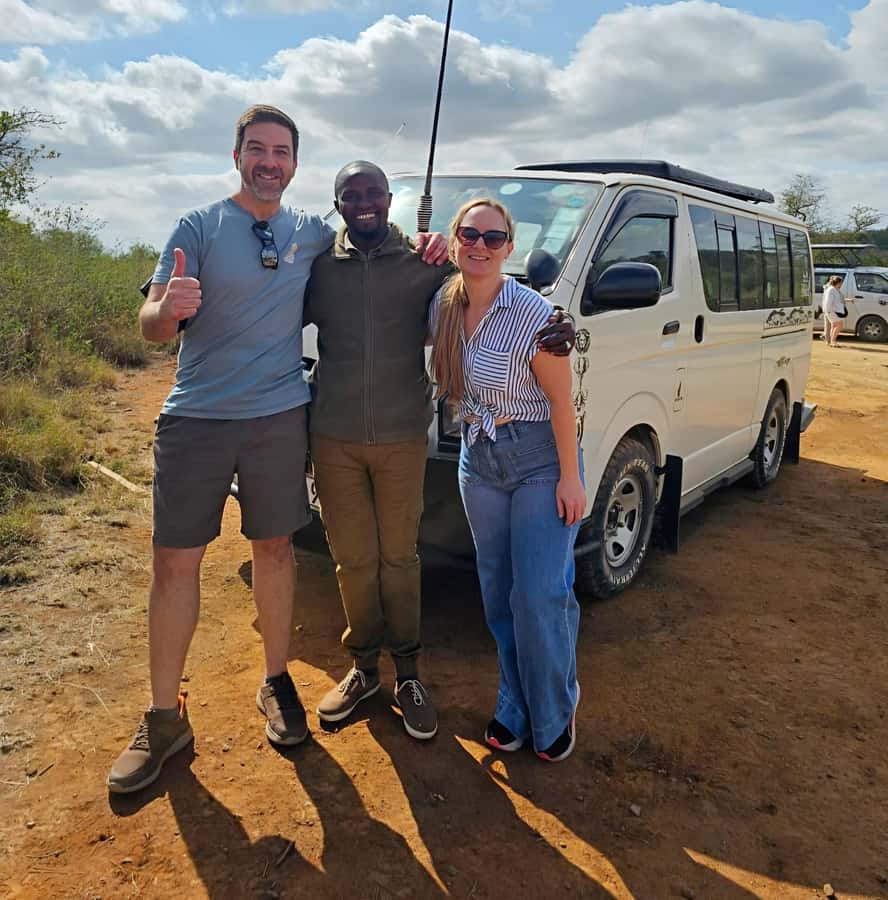
Private transport and hotel pickup make this tour easy to manage. You are collected from your hotel and returned to your original departure point, which is helpful when the day includes several stops and a fixed elephant session.
The guide is central to the experience. Jacinta received particular praise for being kind, attentive to details, and careful about reaching presentations on time. Kevin was also praised for professionalism, kindness, and a good sense of humor. If either guide is assigned to your tour, you can expect a personable style based on those comments, though guide availability can vary.
The language options are English, Spanish, French, and German. Confirm your preferred language when booking, since the quality of explanations at the conservation centers and Bomas depends heavily on clear communication.
The schedule is full. Giraffes, elephants, a possible bead factory, lunch, and Bomas make a long day with several transitions. That is a good trade for anyone with only one free Nairobi day, but it is less suitable if you want a slow, unhurried visit at each stop.
Wear comfortable shoes and bring a sun hat. The tour is not suitable for people with mobility impairments, and pets are not allowed.
Who gets the best value from the $123 price
I would recommend this tour most strongly to first-time visitors, families, and anyone staying in Nairobi for a short time. You get animals, conservation, crafts, food, music, and cultural displays in one organized day.
The value is also better if you prefer a private vehicle and a guide rather than piecing together separate admissions and transport. The included hotel pickup, drop-off, bottled water, and professional guide remove several common Nairobi planning headaches.
The price is less attractive if you only want giraffes and elephants. In that case, the Bomas visit and bead factory may feel like extras, while the added elephant conservation fee pushes the final cost higher.
Families should think about the fixed timing and the extra child fee. Children pay $22 for the elephant sanctuary conservation charge, which is lower than the adult amount, but lunch remains separate. The elephant session and giraffe feeding are likely to be the most engaging parts for young visitors, while the cultural presentations may appeal more to older children and adults.
Culture-focused visitors should value Bomas highly. The animal stops are the obvious draw, but the traditional homesteads and dances give the day more local context than a wildlife-only outing.
Practical booking advice before you go
Reserve and pay later is available, so you can keep your plans flexible. You can also cancel up to 24 hours in advance for a full refund.
Before booking, confirm these points:
- The $123 price does not cover the statutory elephant conservation charge.
- Adult elephant entry requires $43, and child entry requires $22.
- The elephant payment is made through E-Citizen and must be paid by Visa or Mastercard.
- Lunch is available for purchase but is not included.
- The Kobe Beads visit is optional.
- The tour is not suitable for people with mobility impairments.
- Comfortable shoes and a sun hat are sensible choices.
Those details matter more than the headline price. Once you add the adult conservation charge and lunch, you have a clearer idea of the day’s total cost.
Should you book this Nairobi wildlife and culture tour?
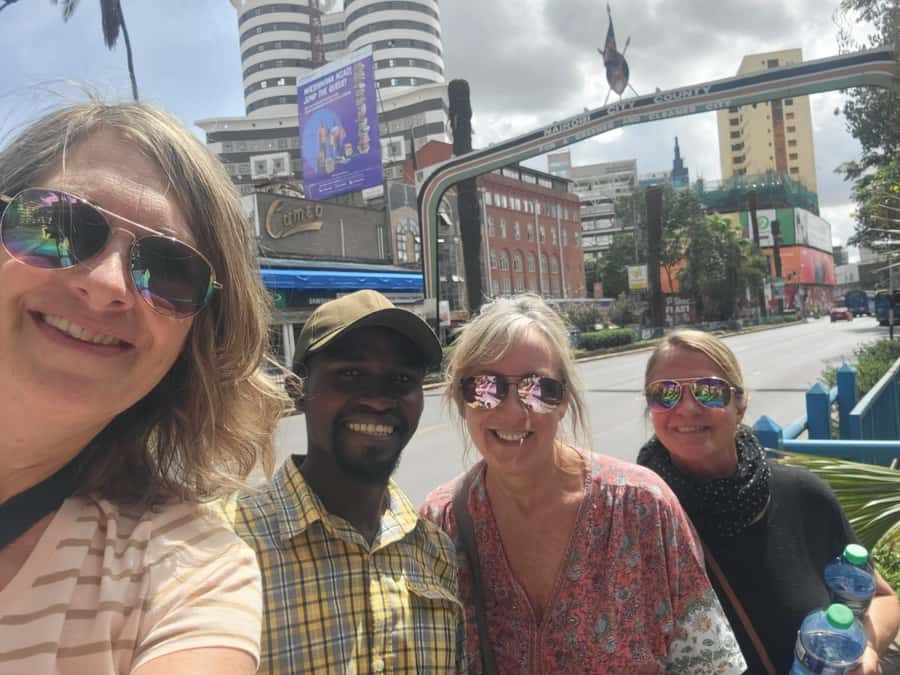
Book it if you want a well-packed Nairobi day with close animal encounters and a cultural program at the end. The Giraffe Centre is playful and personal, the elephant session provides the strongest conservation connection, and Bomas of Kenya gives the day a broader sense of Kenya beyond wildlife.
I especially like this tour for its balance. You can feed giraffes, watch orphaned elephants receive care, learn how beads are made by local women, and see dances linked to different Kenyan communities. The guide’s job is important, and the praise for Jacinta and Kevin suggests that attentive timing and a friendly manner can make the full schedule work well.
Skip it if you want a quiet pace, dislike organized performances, or are not prepared for the additional elephant fee. For everyone else, the combination offers solid value, provided you budget honestly and arrive ready for a long, active day.
FAQ
What is included in the $123 tour price?
The price includes entry tickets to the elephant orphanage, Giraffe Centre, and Bomas of Kenya, hotel pickup and drop-off, private transport, a professional guide, bottled water, and a visit to traditional homesteads. The Kobe Beads factory visit is complimentary and optional.
Is the elephant orphanage conservation fee included?
No. The statutory conservation fee is paid separately at the elephant orphanage. It costs $43 for adults and $22 for children.
How can I pay the elephant orphanage fee?
The fee is paid through the E-Citizen platform. The gate does not accept cash, so you need a Visa or Mastercard.
What time is the elephant orphanage visit?
The guided elephant session takes place daily from 11 a.m. to noon.
Is lunch included?
No. Lunch is available for purchase, and you can be driven to a local restaurant for Kenyan food.
What languages are available?
The tour is available in English, Spanish, French, and German.
Is the tour suitable for people with mobility impairments?
No. The tour is listed as unsuitable for people with mobility impairments.
Can I cancel the tour for a full refund?
Yes. You can cancel up to 24 hours in advance for a full refund.
Just added in Nairobi
- Wildlife Capital: Half-Day Safari at Nairobi National Park★ 5.0 · 2 reviews
- 3 days maasai mara migration safari★ 4.5 · 7 reviews
- 4 Days Tour Landcruiser in Masai Mara and Lake Nakuru★ 5.0 · 10 reviews
- 4 Days Safari to Lake Nakuru N/P and Maasai Mara N/R★ 5.0 · 18 reviews
- Day Tour to Nairobi national park, Elephants, and Giraffe Center★ 3.5 · 8 reviews
- 6 Days Kenya Budget Group Safari★ 5.0 · 2 reviews
- Maasai Mara Day Trip★ 5.0 · 15 reviews
- 3 Days Masai Mara Wildebeest migration Budget safari★ 5.0 · 2 reviews
Elephant Orphanage Tours, compared.
Elephant Orphanage and Giraffe Center Tour with Options
Read our review →
Nairobi National Park, Elephant Orphanage and Giraffe Centre
Read our review →
Half day tour to Elephant orphanage & Giraffe Centre Nairobi
Read our review →
National Park, Elephant Orphanage & Giraffe Center
Read our review →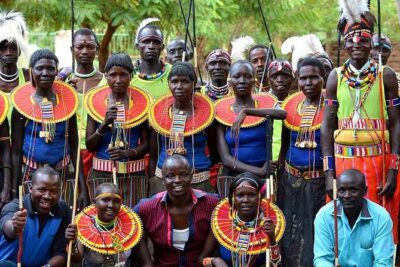
Giraffe Centre, Elephant Orphanage, and Bomas of Kenya Day Tour from Nairobi
Read our review →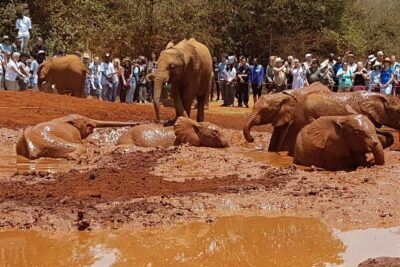
Giraffe Center, Elephant Orphanage, Beads Center & Bomas of Kenya Tour Nairobi
Read our review →Browse the lists this tour appears in