
Reviewed · GIRAFFE CENTRE TOURS
Elephant orphanage, Giraffe center, kobe beads tour
Wildlife and craft fit neatly into half a day. This Central Kenya tour combines close contact with rescued elephants and giraffes, then shifts to a local ceramic bead workshop where mothers make goods by hand. I like the conservation focus and the easy hotel pickup in an air-conditioned car. I also like that the tour adds a cultural stop instead of treating Nairobi as only a wildlife destination. The main drawback is cost: the advertised $50 price does not include the entrance fees or the Kenya Wildlife Service payment, so your real total is much higher.
You should also plan for a fairly active morning or afternoon. Feeding animals makes this more personal than simply viewing them from a distance, but the animal stops can be busy and the visit to the bead factory may feel short if you want a long look at the production process. Still, if your time in Kenya is limited, this is a smart way to cover several important Nairobi-area sights in one outing.
In This Review
- Key points to know before booking
- Why this half-day combination works
- At the elephant orphanage, conservation comes first
- Meeting giraffes at the giraffe center
- Handmade beads at the Kobe workshop
- What the $50 price really covers
- Transport, timing, and practical preparation
- Who will enjoy this tour most
- Should you book the elephant, giraffe, and bead tour?
- FAQ
- How long is the tour?
- What locations does the tour visit?
- Can I feed the animals?
- What is included in the $50 price?
- How much are the giraffe center and elephant orphanage entry fees?
- How must I pay the elephant orphanage entry fee?
- What is the Kenya Wildlife Service conservation fee?
- Is lunch included, and what language is offered?
Key points to know before booking
- Three very different stops in half a day: You move from elephant rescue work to giraffe conservation and then to handmade ceramic beads.
- Animal feeding is part of the visit: You can get close to the elephants and giraffes and take photos with the animals and their caretakers.
- The advertised price is not the final price: Add $15 for the giraffe center, $20 for the elephant orphanage, and $43 for the Kenya Wildlife Service conservation fee.
- Cash matters at the elephant orphanage: Its $20 entry charge is paid in cash only, while the giraffe center accepts cash or a credit card.
- Hotel pickup simplifies Nairobi logistics: Transport, a guide, a driver, and bottled mineral water are included.
- Kobe Beads adds a human story: You see mothers making traditional handmade beads and learn about their work.
Why this half-day combination works
Many Nairobi visitors want to see wildlife but have no time for a full safari. This tour answers that problem with three compact stops. You get animal encounters, conservation education, and a look at local craft production without committing an entire day.
I like the variety. The elephant orphanage and giraffe center show two different approaches to protecting wildlife, while the bead workshop shifts attention to people and livelihoods. That change of pace matters. After watching young animals being cared for, you see how handmade work supports local mothers and preserves practical craft skills.
The tour is also designed for convenience. Your hotel pickup and drop-off are included, and transport is provided in an air-conditioned car. Your guide and driver handle the movement between stops, which is useful in an unfamiliar city. Bottled mineral water is included as well.
The exact order and timing of the stops are not provided, so you should ask your operator for the planned departure time when booking. A half-day schedule gives you a useful snapshot, but it does not promise a slow, detailed visit at every location.
More elephant orphanage visits:
- Elephant Orphanage and Giraffe Center Tour with Options
★ 4.5 · 457 reviews - Nairobi National Park, Elephant Orphanage and Giraffe Centre
★ 4.6 · 365 reviews - From Nairobi: Elephant Orphanage and Giraffe Center Day Trip
★ 4.5 · 235 reviews
At the elephant orphanage, conservation comes first
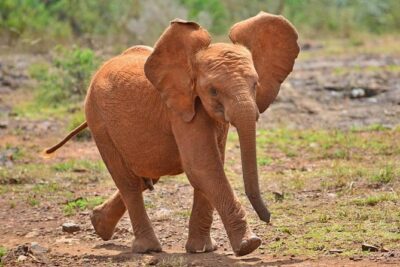
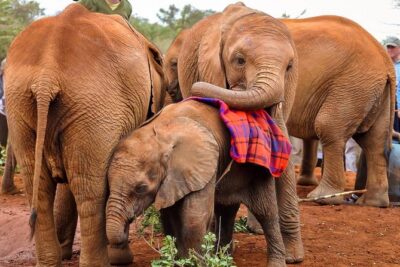
The elephant orphanage is the emotional center of the day. Here, you learn how conservation work is carried on and see rescued elephants under the care of their keepers. The visit includes an opportunity to feed the animals, making it more direct than a standard viewing stop.
That feeding moment is likely to be the part children remember most. It also gives you a clearer sense of the daily care involved. You are not simply looking at elephants behind a barrier. You are watching a managed conservation effort and seeing the role of caretakers up close.
I would keep your expectations sensible. This is not a safari drive, and the animals are being cared for in an orphanage setting rather than encountered in the wild. The value comes from learning about rescue and rehabilitation, not from covering large distances or seeing a wide range of species.
The elephant entry fee is $20 per person, paid in cash only. Bring that money separately. The advertised tour price does not cover it, and relying on a card here could cause an avoidable problem.
You should also account for the Kenya Wildlife Service conservation fee, listed at $43 per person. This payment is made through the government e-citizen portal, using a credit card. The guide can assist where possible, but you should be prepared to complete the payment yourself through the official system.
That government fee is the largest extra charge, so it changes the price calculation considerably. It may be connected to the wildlife sites included in the day, but the supplied details do not explain exactly how it is allocated. Ask the provider to confirm the current requirement and payment process before you go.
Meeting giraffes at the giraffe center
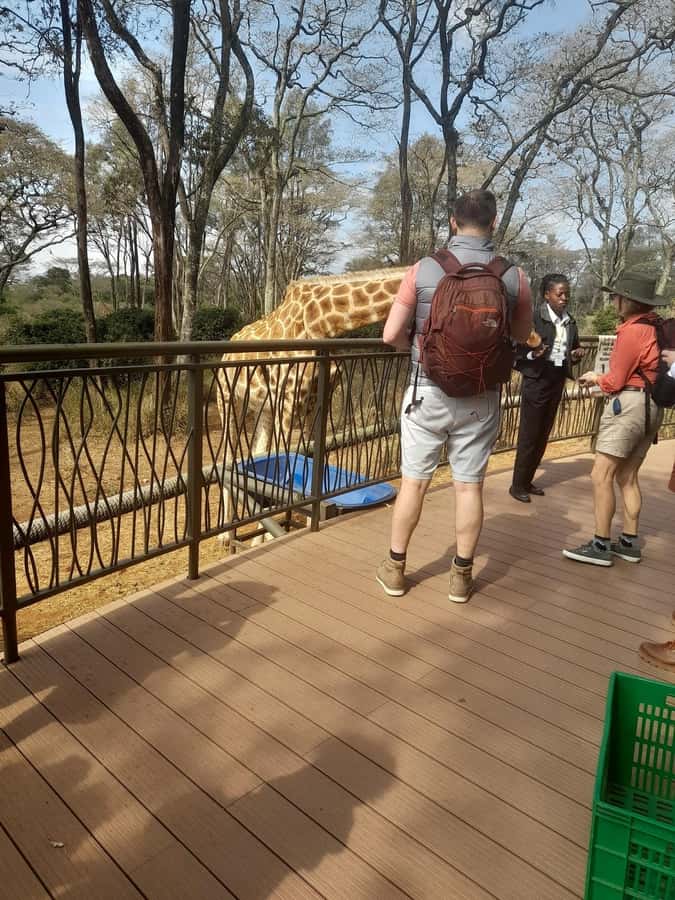
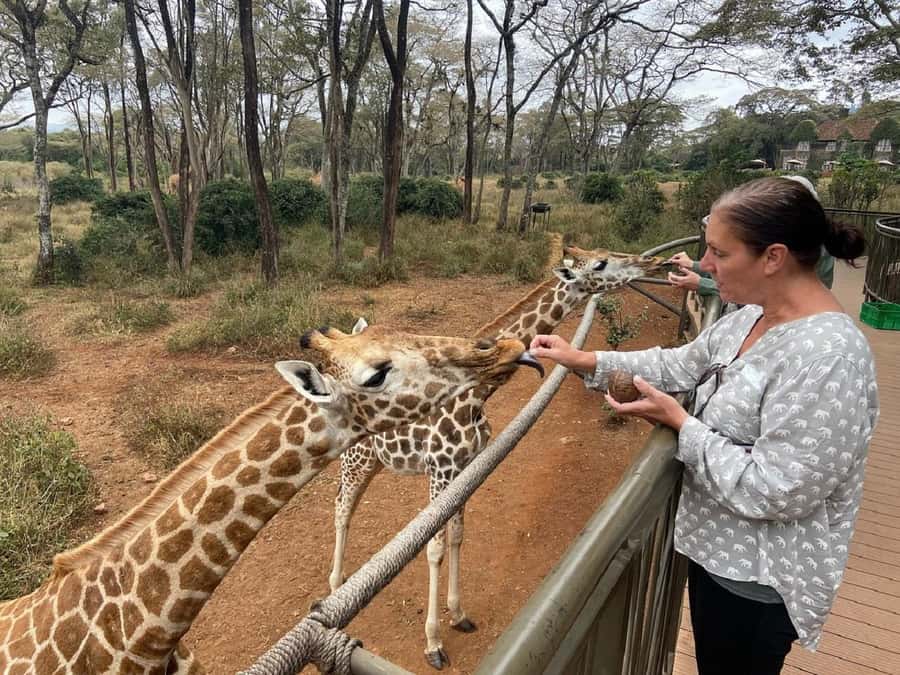
The giraffe center gives you a different kind of animal encounter. Instead of watching elephants being fed, you can get close to endangered giraffes and feed them. That physical interaction makes the visit particularly appealing to families and photographers.
The center also gives the tour a clear conservation message. You learn about efforts to protect an endangered species while seeing the animals at close range. The experience is designed to help you connect the animal with the wider work of conservation, rather than treating the stop as only a photo opportunity.
Bring a camera, but keep it ready for more than a quick portrait. The tour specifically encourages photos with the animals and their caretakers. Your guide can help you understand what is happening, although the available information does not give the guide’s name or describe the exact presentation.
Entry costs $15 per person at the giraffe center. You can pay by cash or credit card, which gives you more flexibility than the elephant orphanage. Even so, I would carry some Kenyan cash because you already need cash for the elephant stop.
The giraffe center and elephant orphanage serve similar goals, but they feel different. The elephant visit centers on rescue and care for orphaned animals. The giraffe stop focuses on close contact with an endangered species. Together, they provide a more rounded look at wildlife protection than either stop would provide alone.
Handmade beads at the Kobe workshop
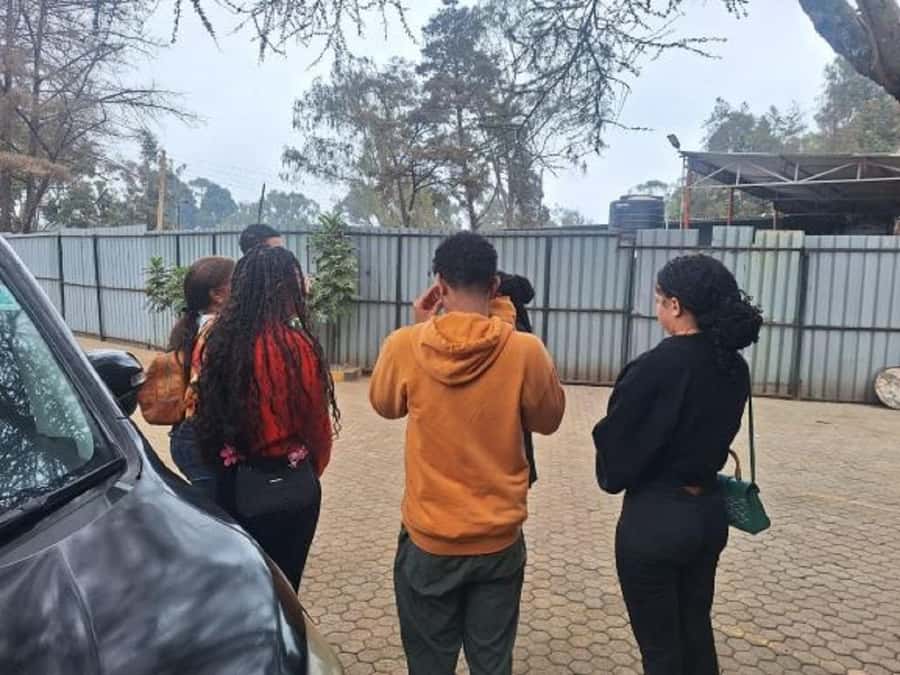
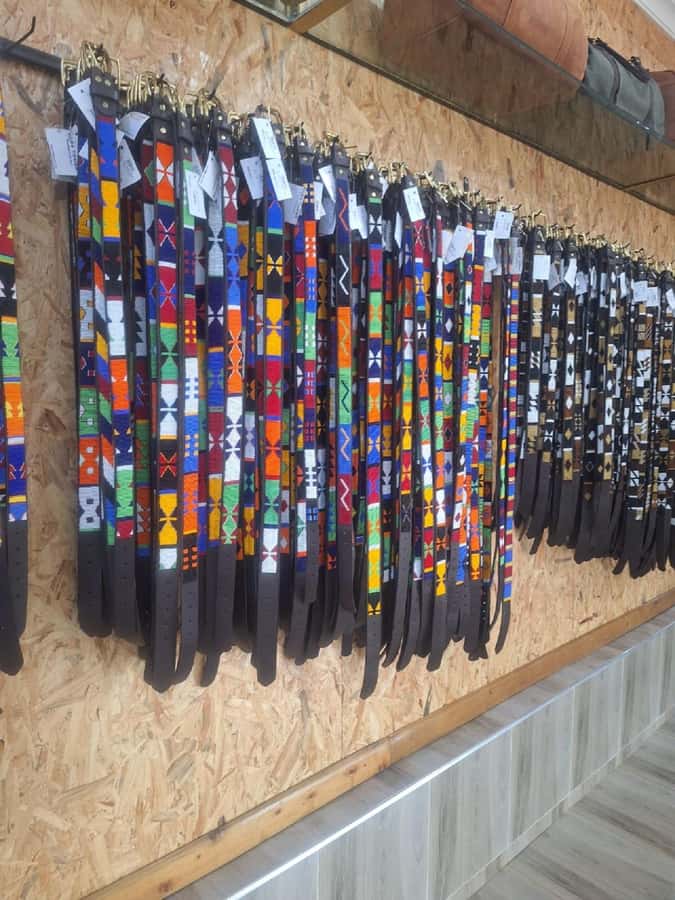
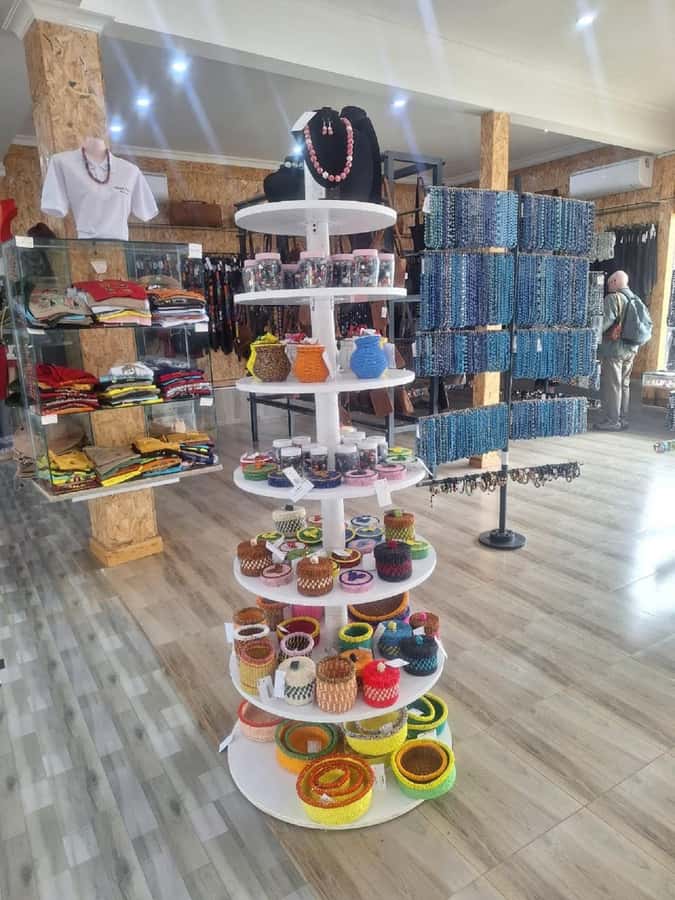
The Kobe Beads visit brings the tour back to local life. At the ceramic bead factory, you learn about traditional craft-making techniques and watch local mothers at work. The focus is not only on finished souvenirs. You get a look at the labor and skill behind them.
This stop is important because it gives the day a cultural balance. Wildlife sites can sometimes leave you with a narrow picture of Kenya, focused only on animals and scenery. The bead workshop shows a different part of the country, where handmade production and women’s work are central to the visit.
You may see ceramic beads being made and learn how the makers turn a traditional craft into useful goods. The supplied details do not specify the length of the workshop, the chance to make beads yourself, or the exact products available for purchase. Do not assume there will be a hands-on class.
I would treat the workshop as a learning stop first and a shopping stop second. If you buy something, the item carries a more meaningful connection to the people who make it. If you are not interested in shopping, the visit still has value because you can watch the process and hear about the mothers’ work.
The contrast with the animal stops is one of the tour’s best features. You begin with conservation, continue with close animal contact, and finish by seeing a local form of production. For a half-day outing, that is a good range of subjects.
More Giraffe Centre visits:
- Nairobi: National Park & Optional Elephants & Giraffe Center
★ 4.8 · 874 reviews - Tour: Giraffe Center and Nairobi National Park
★ 5.0 · 299 reviews - Elephant Orphanage & Giraffe Centre Tour
★ 4.5 · 225 reviews - Nairobi national park and Giraffe center
★ 5.0 · 171 reviews
What the $50 price really covers
The listed price is $50 per person, but you should not budget only $50. The stated additional charges are:
- Giraffe center entry: $15 per person
- Elephant orphanage entry: $20 per person
- Kenya Wildlife Service conservation fee: $43 per person
- Lunch: not included
That brings the known total to $128 per person before lunch. The calculation is simple: $50 for the tour, plus $15, $20, and $43 in required or stated site fees.
At $128 before lunch, the value depends on how much you appreciate convenience. The fee includes hotel pickup and drop-off, an air-conditioned car, a guide and driver, and bottled mineral water. It also combines three stops that would otherwise require you to arrange transport and manage separate entries yourself.
The price is less attractive if you only want a quick animal photo. In that case, the site charges and government fee make the outing expensive for a half-day. It becomes a stronger purchase if you want conservation context, local culture, and straightforward transport in one package.
The tour is offered in English. That is useful to confirm if you need another language, since no other language is listed.
Lunch is not included. Since the schedule is only half a day, you may prefer to eat before or after the tour, but the supplied details do not identify a restaurant or meal stop. Ask about the timing so you can plan food around the outing.
Transport, timing, and practical preparation
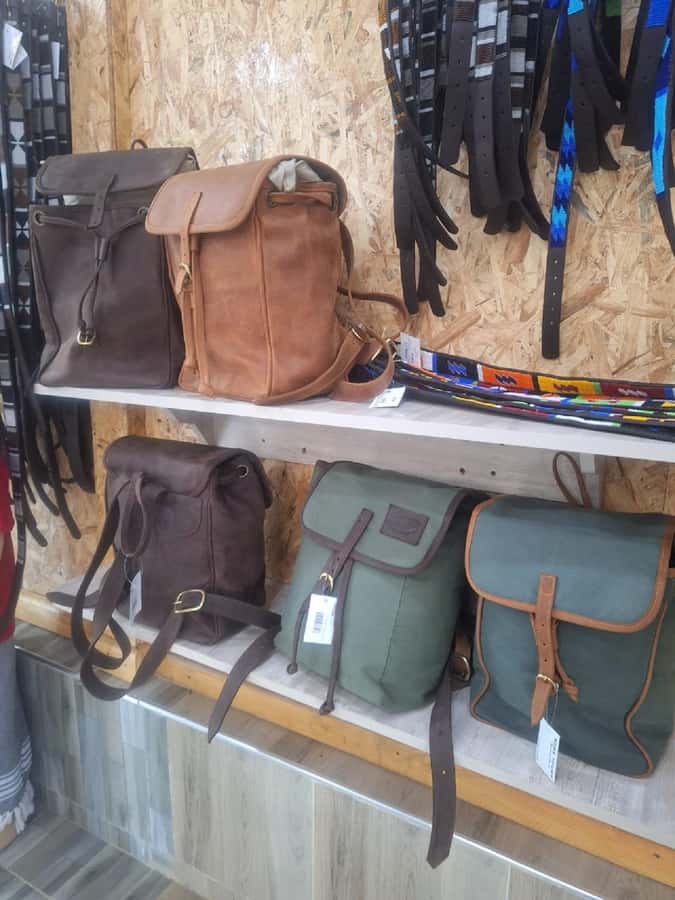
Hotel pickup and drop-off are included, which removes one of the biggest practical headaches in Nairobi. You do not have to arrange a taxi to the first stop or find your way back after the bead workshop. The air-conditioned car should also make the transfers more comfortable.
The tour is described only as half day, with no exact start time, end time, group size, or vehicle capacity provided. Those details can affect the feel of the outing. A small group may make it easier to hear the guide and move through the stops, while a larger group could mean more waiting during feeding or entry.
Ask these questions before confirming:
- What time will pickup begin?
- How many people are normally in the car?
- Which stop comes first?
- How long is allowed at each location?
- Is the conservation fee already arranged, or will you complete it during the tour?
Keep your passport or booking information available if the government payment system requires personal details, although the provided information does not specify what the portal requests. The key point is to have a usable credit card for the $43 e-citizen payment.
Bring cash for the elephant orphanage fee. A camera is worthwhile, and comfortable clothing will make it easier to move between the stops. Mineral water is supplied, but you may still want extra water if you prefer to drink often.
The cancellation policy is forgiving: you can cancel up to 24 hours in advance for a full refund. You can also reserve now and pay later, which helps if your Nairobi plans are still changing.
Who will enjoy this tour most

This outing suits a first-time visitor with limited time. You receive a compact introduction to wildlife conservation and local craft work without giving up a full day. It also works well for families because feeding elephants and giraffes creates clear, memorable moments.
It is a good fit if you prefer an organized outing. The driver, guide, transport, and hotel service are already arranged, so you can focus on the sites instead of coordinating several separate rides.
Photographers will find plenty to aim at, especially during the animal encounters and the moments with caretakers. Just remember that animals do not perform on command, and the tour’s purpose is conservation rather than staged photography.
The tour is less suitable if you want a true wilderness safari. You will see animals in conservation centers, not roaming freely across a national park. It may also disappoint you if you want a long craft workshop, since the details promise a visit and demonstration but do not state that you will make beads yourself.
You should also think carefully about the added fees. A person searching for the cheapest possible Nairobi activity may find the final cost too high. Someone who values direct transport and several meaningful stops may consider the price reasonable.
Should you book the elephant, giraffe, and bead tour?
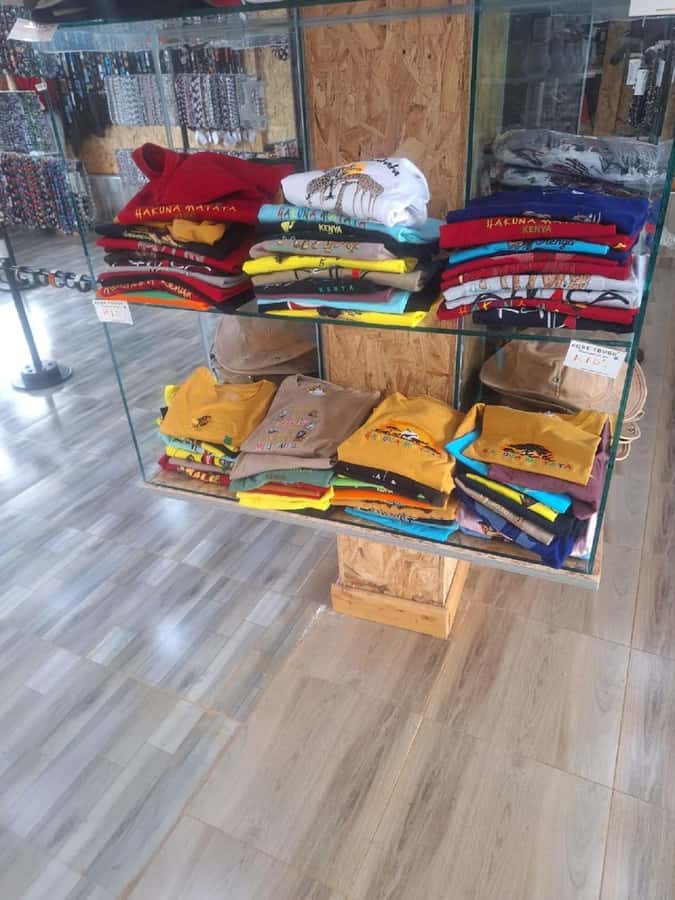
I would book this tour if you have only half a day and want more than a single animal encounter. The combination of elephant rescue work, giraffe conservation, and handmade beads gives you a useful introduction to both wildlife protection and everyday creative work in Kenya.
Before paying, confirm the pickup time, group size, current government fee, and exact payment instructions. Budget $128 per person before lunch, carry cash for the elephant orphanage, and bring a credit card for the e-citizen charge.
Book it if convenience and variety matter most. Skip it if you want a full safari, a slow museum-style visit, or a guaranteed hands-on bead-making session. For a short Nairobi itinerary, though, it packs a lot into a manageable morning or afternoon.
FAQ
How long is the tour?
It is a half-day tour.
What locations does the tour visit?
The tour visits an elephant orphanage, a giraffe center, and a local ceramic bead factory associated with Kobe Beads.
Can I feed the animals?
Yes. The experience includes opportunities to feed the elephants and giraffes.
What is included in the $50 price?
The price includes hotel pickup and drop-off, transport in an air-conditioned car, a tour guide and driver, and mineral bottled water.
How much are the giraffe center and elephant orphanage entry fees?
The giraffe center costs $15 per person. The elephant orphanage costs $20 per person.
How must I pay the elephant orphanage entry fee?
The $20 elephant orphanage fee must be paid in cash.
What is the Kenya Wildlife Service conservation fee?
The fee is $43 per person and is paid through the government e-citizen portal using a credit card. The guide can assist where possible.
Is lunch included, and what language is offered?
Lunch is not included. The tour is offered in English.
Just added in Nairobi
- Wildlife Capital: Half-Day Safari at Nairobi National Park★ 5.0 · 2 reviews
- 3 days maasai mara migration safari★ 4.5 · 7 reviews
- 4 Days Tour Landcruiser in Masai Mara and Lake Nakuru★ 5.0 · 10 reviews
- 4 Days Safari to Lake Nakuru N/P and Maasai Mara N/R★ 5.0 · 18 reviews
- Day Tour to Nairobi national park, Elephants, and Giraffe Center★ 3.5 · 8 reviews
- 6 Days Kenya Budget Group Safari★ 5.0 · 2 reviews
- Maasai Mara Day Trip★ 5.0 · 15 reviews
- 3 Days Masai Mara Wildebeest migration Budget safari★ 5.0 · 2 reviews
Giraffe Centre Tours, compared.
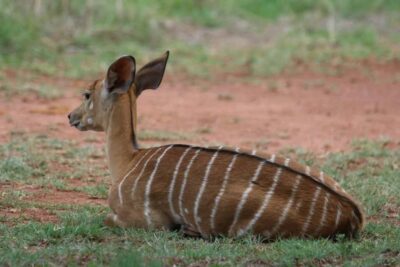
National Park & Optional Elephants & Giraffe Center
Read our review →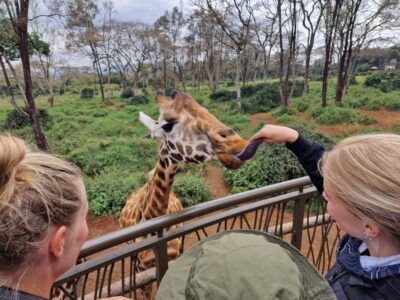
Elephant Orphanage and Giraffe Center Tour with Options
Read our review →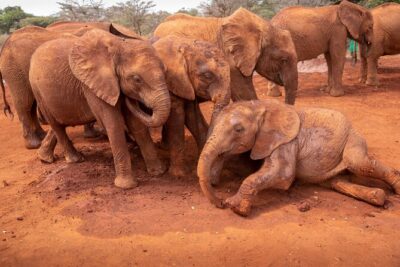
Nairobi National Park, Elephant Orphanage and Giraffe Centre
Read our review →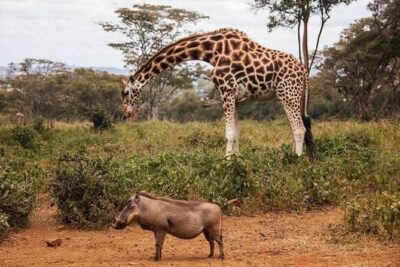
Tour: Giraffe Center and Nairobi National Park
Read our review →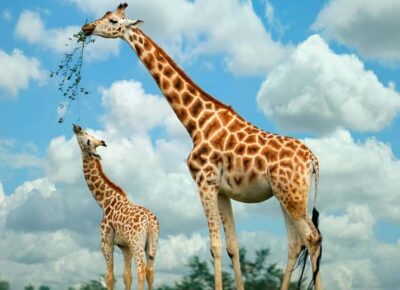
Day tour to Giraffe Center and Karen Blixen Museum
Read our review →Browse the lists this tour appears in