

Reviewed · DIANI BEACH TOURS
Diani Beach: Kaya Kinondo cultural and nature experience
Sacred forests tell stories in quiet ways. Kaya Kinondo gives you a thoughtful four-hour look at Digo heritage, local beliefs, medicinal plants, and village life just 10 kilometers from Diani Beach. I like the shaded forest walk and the clear cultural explanations, especially when the guide connects trees and rituals to everyday life. I also like that the experience supports a place with serious spiritual meaning rather than treating it as just another sightseeing stop.
The main drawback is transport. The $42 price covers the guided experience, but hotel pickup and the short transfer to the village cost extra. You should also expect walking on uneven forest paths, limited suitability for people with mobility or visual impairments, and a traditional dance that is part of the visit rather than an optional add-on.
In This Review
- Key points to know before you go
- Why Kaya Kinondo feels different from a standard Diani outing
- Starting with a 15-minute briefing at the Visitor Centre
- Walking the 50-minute sacred forest trail
- Seeing the preserved shrine and sacred areas
- Transferring to the village after the forest
- Meeting the village healer and learning local traditions
- Digo dance, lemongrass tea, and optional palm wine
- Is $42 good value for this Diani excursion?
- Who will enjoy Kaya Kinondo most?
- Practical advice for a smoother visit
- Should you book the Kaya Kinondo experience?
- FAQ
- How long does the Kaya Kinondo experience last?
- How much does the experience cost?
- How much is transport from Diani Beach hotels?
- Is the village transfer included?
- What language is the tour conducted in?
- Is the traditional dance optional?
- What should I bring?
Key points to know before you go
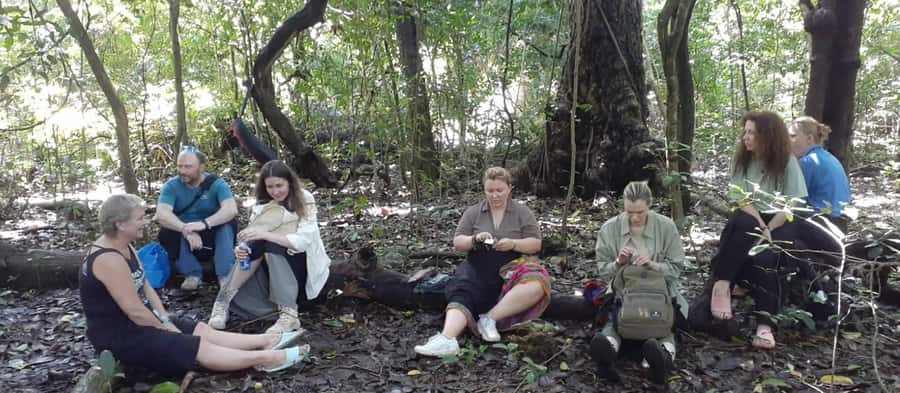
- The forest is a sacred Digo site: Kaya Kinondo was once a fortified home for the Digo people, one of the Mijikenda communities of coastal Kenya.
- The 50-minute forest walk is the heart of the visit: Expect shade, native tree species, medicinal plants, local beliefs, and explanations about forest protection.
- The village visit adds a human side: You will see traditional livelihoods, meet a village healer, and learn how local people live today.
- The dance is required: A Digo traditional performance lasts about 15 minutes, followed by lemongrass herbal tea and an optional taste of palm wine.
- Budget for separate transport: A car transfer from your Diani hotel generally costs $35 to $40, depending on the vehicle and location.
- English is the tour language: The guides explain the forest, customs, spiritual practices, and village life in English.
Why Kaya Kinondo feels different from a standard Diani outing
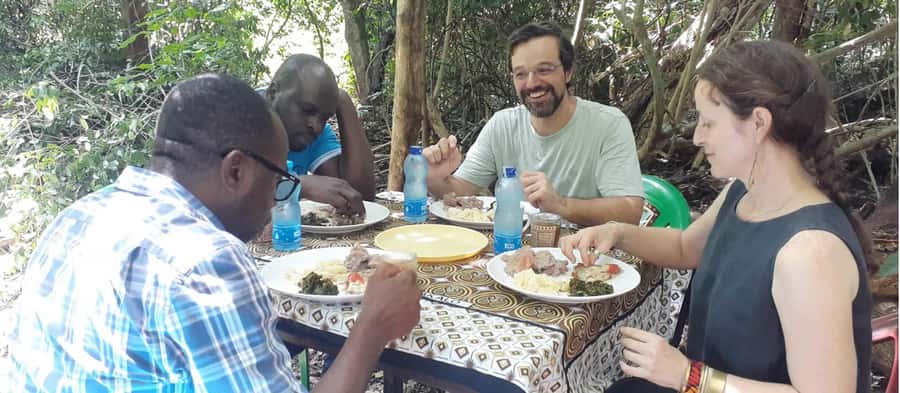
Diani is best known for its broad beach, warm water, resorts, and easygoing holiday mood. Kaya Kinondo gives you a very different setting without requiring a long journey. Here, the focus is not on scenery alone. It is on the relationship between a community, its ancestors, and the forest that helped protect it.
The word kaya means home or village. More than 600 years ago, the Mijikenda people established fortified kaya settlements along the coast. Kaya Kinondo served as both a place of refuge and a spiritual center. Local people still come here to pray and make offerings to ancestral spirits.
That makes this visit worth approaching with care. This is not a forest arranged for entertainment. Its importance comes from the beliefs attached to it, and some areas may feel quiet, solemn, or restrained. You are there to listen, follow instructions, and understand why the forest remains protected.
I especially like the way the experience joins nature and culture. A tree is not presented only as a plant. You learn how it may be used in traditional medicine, why certain species matter, and how local customs shape the way people treat the forest. That connection gives the walk more meaning than a simple list of plants.
More Diani Beach trips:
- PILLI PIPA DHOW, the genuine product, snorkeling tour to Kisite Marine Park
★ 4.5 · 217 reviews - Full-Day Special Wasini Island Tour with Snorkeling and Lunch
★ 4.5 · 184 reviews - From Mombasa/Mtwapa/Diani/Tiwi: Tsavo East Full-Day Safari
★ 4.3 · 130 reviews
Starting with a 15-minute briefing at the Visitor Centre
The experience begins at the Visitor Centre with a briefing lasting about 15 minutes. This is an important part of the visit, not a formality to rush through. You receive background on the local heritage and guidance for entering the sacred forest respectfully.
The briefing also prepares you for the nature trail. All visitors must take part before walking into the forest. Since Kaya Kinondo is both a natural area and a religious site, the introduction helps explain the conduct expected inside.
This is a good moment to ask questions. The strongest part of the experience is the guide’s ability to explain unfamiliar customs in plain English. One highly praised guide, Abdul, was described as personable and well informed, while another guide received praise for taking time to answer questions and explain the forest’s spiritual meaning.
Wear comfortable shoes from the start. The trail is shaded, but it is still a walking experience through a natural forest rather than a paved park. People with mobility impairments or visual impairments should choose another activity.
Walking the 50-minute sacred forest trail
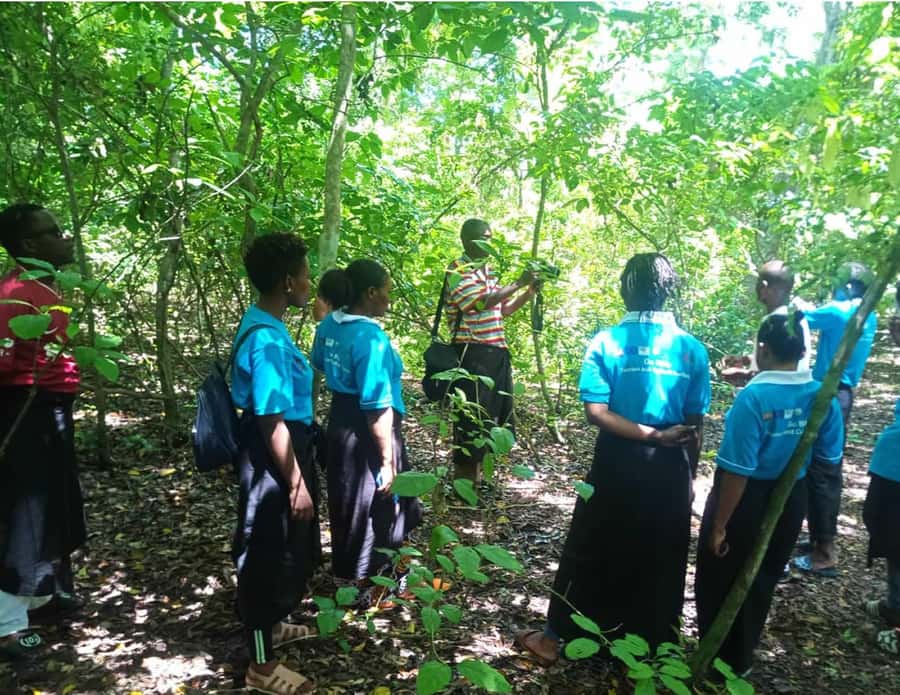
The guided walk lasts about 50 minutes. You follow shaded paths beneath the forest canopy, stopping to look at important tree species, medicinal plants, and signs of local wildlife. The information is not limited to botany. Your guide also explains traditional systems, beliefs, rituals, and the way the Digo community understands this place.
The forest’s greatest appeal is its calm. You are not moving from one crowded attraction to another. The pace allows time to look closely, listen, and ask questions. One visitor described the forest as natural and well preserved, with explanations covering plants, animals, customs, faith, and ritual practices.
Some tree species found here are described as unique to Kaya Kinondo and linked to special medicinal qualities. The exact uses can vary within traditional knowledge, so listen carefully and treat these explanations as cultural information rather than medical advice. The point is to understand how plants have been part of local life for generations.
The forest also served a practical purpose in the past. Kaya settlements offered protection from enemies pursuing Mijikenda communities along their migration route. Knowing this changes how you read the trees and paths. This was not simply a place to gather firewood or find shade. It was a home, a refuge, and a sacred center.
Seeing the preserved shrine and sacred areas
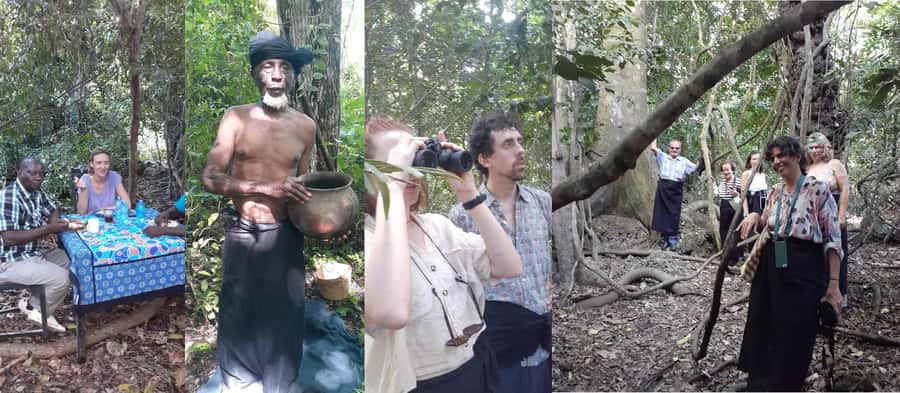
A well-preserved local shrine is one of the most meaningful parts of the forest visit. This is where the spiritual role of Kaya Kinondo becomes clear. The shrine is connected to prayers and sacrificial offerings made in communication with ancestral spirits.
You should not expect a dramatic monument. The value is in the setting and the meaning attached to it. The forest’s stillness, the preserved site, and the guide’s explanation provide the context. Without that explanation, you could easily walk past and miss why it matters.
I like this part because it asks you to slow down. Many coastal excursions are built around quick photographs and short stops. Kaya Kinondo rewards attention instead. You learn why local people protect the forest through deeply held beliefs, including respect and fear connected to its sacred status.
Your guide should lead the visit and explain where to go. Follow local instructions about photography, movement, and behavior. Alcohol and drugs are not allowed, and respectful dress and conduct are sensible even though no formal dress code is stated.
A completely different kind of day:
- Full Day Dolphin Watching with Snorkeling in Wasini
★ 5.0 · 88 reviews - Diani Beach: Glass Boat Cruise to Robinson Island
★ 4.6 · 69 reviews - Diani: Sunset Canoe Tour along the River with Mangroves
★ 4.8 · 65 reviews - Day Trip – Tsavo East National Park ( Man Eater Lions of Tsavo & Other Big Five)
★ 4.5 · 55 reviews
Transferring to the village after the forest
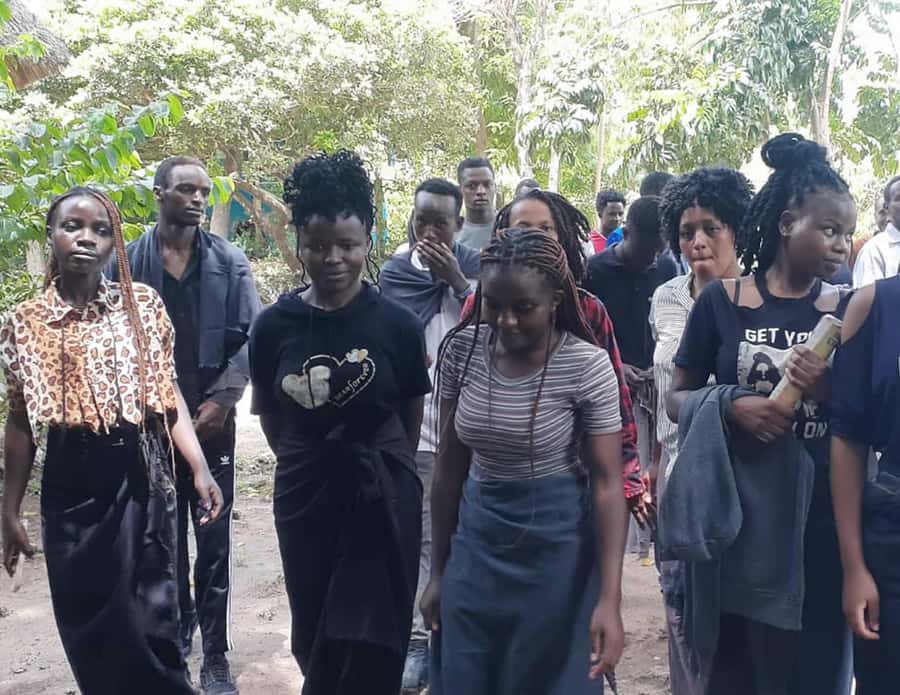
After the forest walk, you make a short transfer to a nearby village for about 60 minutes of cultural activities. This is where transport planning matters. The walk from the Visitor Centre to the village is not easy to navigate, so having a vehicle is strongly recommended.
The transfer is not included in the $42 price. Hotel transport and the car used during the experience are arranged and paid for separately. A small car generally costs about $35, while a van may cost about $40, depending on your hotel’s location within Diani and the vehicle selected.
For one person, that makes the real cost closer to $77 to $82. For a couple, the extra vehicle cost can be shared, making the outing better value. If you are traveling with family or a small group, a van may make practical sense, though the price still needs to be confirmed when you book.
The village visit gives the forest story a present-day setting. Instead of learning only about a historical settlement, you see traditional livelihoods, meet local people, and hear about village life. The change of setting also keeps the four-hour experience varied.
Meeting the village healer and learning local traditions
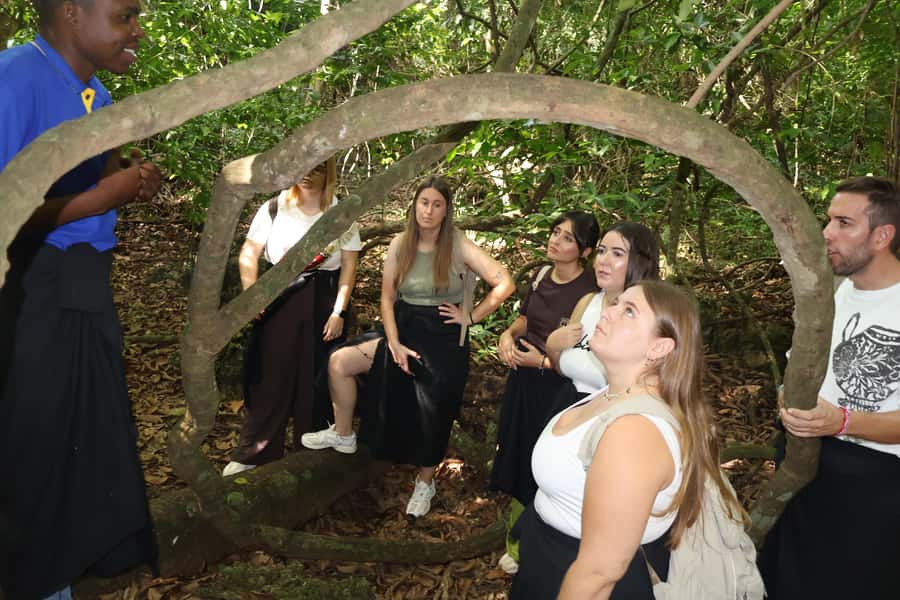
A meeting with the village healer offers another view of local knowledge. After hearing about medicinal plants in the forest, you get a chance to connect that subject with living tradition. The experience does not present the forest as an untouched museum. It shows how cultural knowledge continues through people.
The village portion may feel more personal than the forest walk. You are close to homes, community life, and children, so good manners matter. A small pack of sweets may be brought to share with village children as a gesture of appreciation. If you prefer, sweets can be bought locally in the village.
It is wise to keep this interaction simple and respectful. Ask before taking photographs, listen when people explain their work, and remember that the village is a community rather than a performance set. The best cultural visits allow you to learn without turning local life into a display.
One part of the village visit includes a school class with Mrs. Christine, a teacher praised for her energy and care for the children. The school stop adds a useful education angle to the tour. It gives you a glimpse of how teaching fits into community life and lets you see a local setting beyond the usual beach and resort circuit.
Digo dance, lemongrass tea, and optional palm wine
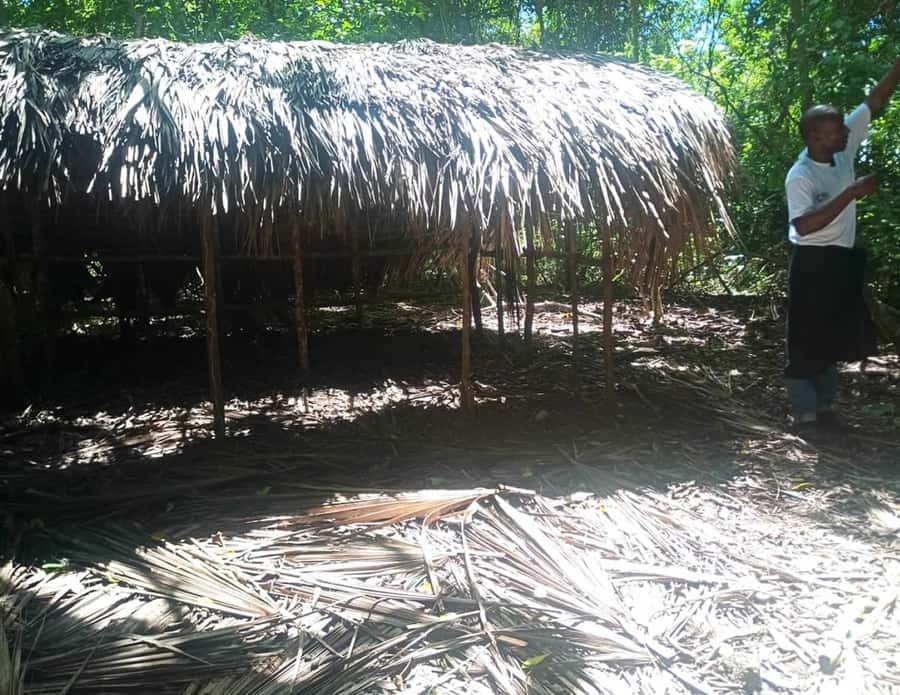
A Digo traditional dance performance lasts about 15 minutes and is mandatory. This is useful to know before booking because some people prefer cultural performances to be optional. Here, the dance is built into the village experience.
The performance provides a visible expression of local tradition after the quieter forest discussion. It is brief, so it does not take over the visit. You may enjoy it most if you see it as a chance to observe music, movement, and community customs rather than as a polished stage show.
The visit also includes a tasting of African herbal tea made with lemongrass, lasting about 15 minutes. This is a small detail, but it rounds out the experience well. You have heard about medicinal plants, seen the forest, and then tasted a simple local drink connected to the region’s plant knowledge.
Freshly tapped palm wine, called mnazi, may also be sampled if you wish. It is optional. If you do not drink alcohol, you can simply skip it. Alcohol and drugs are not permitted generally during the activity, so follow the guide’s instructions and keep the tasting modest.
Is $42 good value for this Diani excursion?
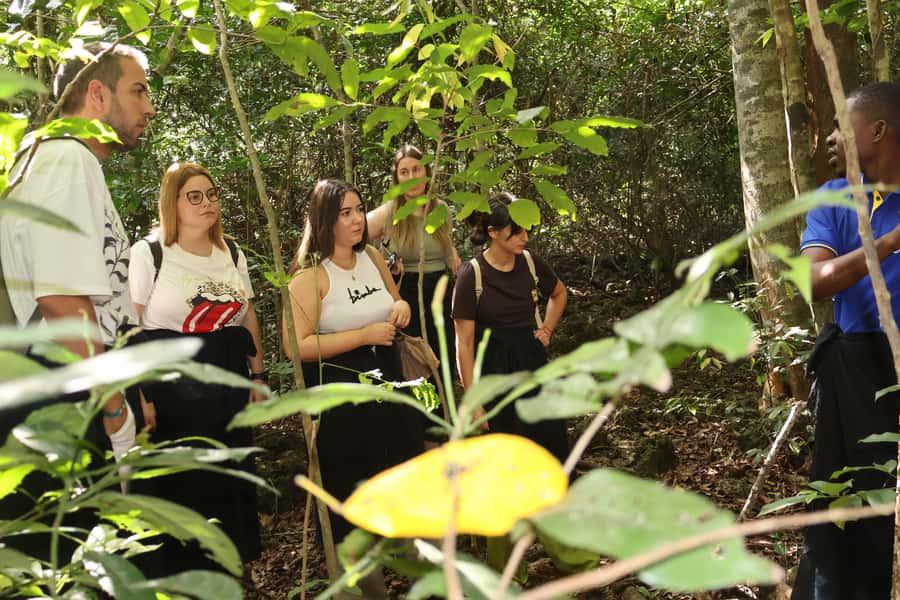
At $42 per person, the activity is fairly priced for a four-hour guided cultural and nature experience. You are paying for a briefing, a guided forest tour, a village tour, cultural explanations, the dance, and the tea tasting. The value is strongest for people who want context and local contact rather than another beach-based activity.
The separate transport charge changes the calculation. A solo visitor may find the total cost less attractive once the $35 to $40 vehicle fee is added. Two or more people sharing the car will get better value, especially if you want a half-day away from the resort area.
Optional extras include souvenirs and lunch prepared on request. Neither is included, so ask about the price before agreeing. You do not need to buy anything to make the experience worthwhile. The forest walk and village visit are the main reasons to come.
There is also a free walking tour offered by the provider on Tuesdays and Thursdays. You should communicate with Kaaribu Experiences for the current details, since the free option may not match the paid experience in transport, timing, or inclusions.
Who will enjoy Kaya Kinondo most?
I would choose this experience if you want to understand coastal Kenya beyond the beach. It suits people interested in:
- Digo and Mijikenda culture
- Sacred places and local religious beliefs
- Traditional plant knowledge
- Village life and community education
- Gentle nature walks in shade
- Small cultural details such as tea, palm wine, and dance
It is also a good choice if you value a guide who can answer questions rather than simply lead you from stop to stop. The strongest feedback centers on clear explanations, patience, cultural detail, and genuine interest in the subject.
I would be more cautious if you want a wildlife-focused safari, a long forest hike, or a completely flexible cultural visit. The forest walk is about 50 minutes, the dance is required, and the activity follows a set structure. People with mobility or visual impairments should not book because the experience is not suitable for them.
The tour is conducted in English. If you need another language, this experience may not be the right match.
Practical advice for a smoother visit
Arrange transport before the day begins. You need a ride from your hotel to Kaya Kinondo, and a vehicle is also useful for the transfer from the Visitor Centre to the village. Confirm whether you need a small car or van and ask for the total price.
Wear comfortable walking shoes. Light clothing suited to warm weather is sensible, but remember that you are entering a sacred place and visiting a village. Modest, respectful clothing is a good choice.
Bring water and keep your belongings easy to carry, though the only stated requirement is comfortable footwear. Listen closely during the opening briefing, since the forest has religious importance and local rules matter.
Allow the full four hours. The schedule includes 15 minutes at the Visitor Centre, 50 minutes on the trail, a short transfer, and about an hour in the village, with the dance and tea included within that cultural portion. The experience ends in the village, where you can leave at your convenience.
Free cancellation is available up to 24 hours before the start time for a full refund, and you can reserve now and pay later. Starting times depend on availability, so check the schedule before arranging your Diani plans.
Should you book the Kaya Kinondo experience?
Book it if you want a quiet, respectful look at Digo culture and a protected sacred forest. I especially recommend it for anyone who likes guided walks with meaning, local stories, and direct contact with community life. The guides’ clear explanations and personal approach are the strongest reason to go.
Skip it if your priority is a beach day, a major wildlife sighting, or a low-cost outing with no extra transport expense. For the best value, share the vehicle with companions and treat the visit as a cultural exchange, not a quick attraction. Kaya Kinondo asks for attention, but it gives you a fuller understanding of the coast in return.
FAQ
How long does the Kaya Kinondo experience last?
The experience lasts four hours. It includes a 15-minute briefing, a 50-minute forest walk, a short transfer to the village, and about 60 minutes of cultural activities.
How much does the experience cost?
The listed price is $42 per person. Hotel pickup, drop-off, and transport during the experience are not included.
How much is transport from Diani Beach hotels?
Transport generally costs $35 to $40, depending on your hotel’s location and the vehicle. A small car may cost about $35, while a van may cost about $40.
Is the village transfer included?
The short transfer from the Visitor Centre to the village requires transport, and having a vehicle is recommended. It is not easy to navigate this section on foot.
What language is the tour conducted in?
The live guided tour is conducted in English.
Is the traditional dance optional?
No. The Digo traditional dance is part of the scheduled cultural experience and lasts about 15 minutes.
What should I bring?
Bring comfortable shoes for the forest trail. You may also bring a small pack of sweets to share with village children, or buy sweets locally if you prefer.
Just added in Diani Beach
- 10-Days Kenya Wildlife Private Safari and Mombasa Diani Beach Holidays★ 5.0 · 5 reviews
- 4 Days Diani Beach Holiday Package with SGR Train ( minimum 2 persons)★ 5.0 · 1 review
- 3 Day Tour to Amboseli Tsavo West & East to Mombasa/Diani/Nairobi★ 5.0 · 1 review
- 2 Days Private Safari in Tsavo from Diani Beach with Pick Up★ 4.5 · 4 reviews
- Mombasa & Diani: Group Day Trips to Tsavo Park★ 5.0 · 2 reviews
- From Mombasa Airport: Diani transfer in a minivan (5 pax)★ 4.5 · 13 reviews
- Day Tour to Tsavo East National Park from Mombasa or Diani★ 5.0 · 5 reviews
- Overnight Safari to Tsavo East National Park from Mombasa/Diani★ 5.0 · 4 reviews
Diani Beach Tours, compared.

PILLI PIPA DHOW, the genuine product, snorkeling tour to Kisite Marine Park
Read our review →
Full-Day Special Wasini Island Tour with Snorkeling and Lunch
Read our review →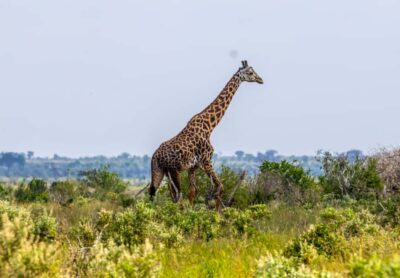
From Mombasa/Mtwapa/Diani/Tiwi: Tsavo East Full-Day Safari
Read our review →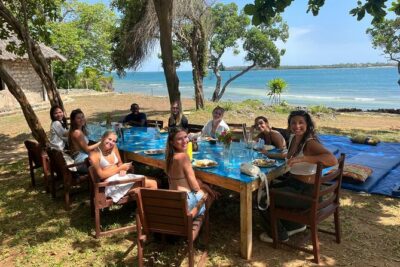
Full Day Dolphin Watching with Snorkeling in Wasini
Read our review →
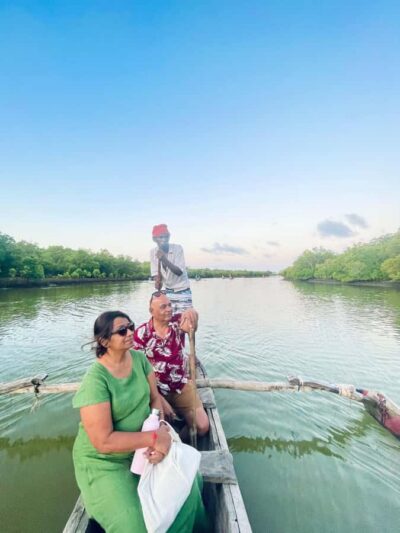
Sunset Canoe Tour along the River with Mangroves
Read our review →
Day Trip – Tsavo East National Park ( Man Eater Lions of Tsavo & Other Big Five)
Read our review →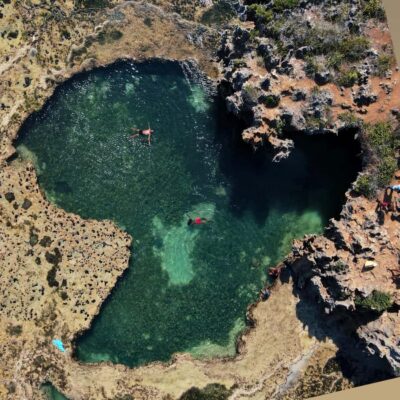
Browse the lists this tour appears in