
Reviewed · ELEPHANT ORPHANAGE TOURS
David Sheldrick Wildlife Trust Guided Tour and Tickets
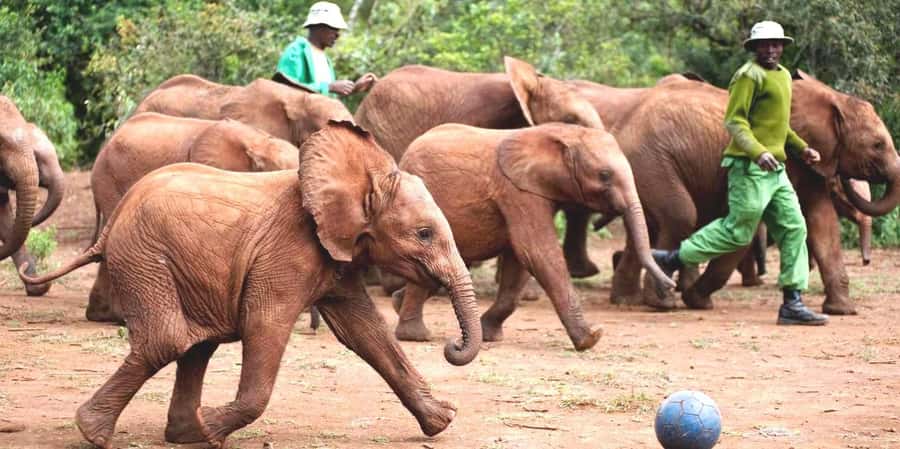
Tiny trunks, huge appetites. The David Sheldrick Wildlife Trust offers a close look at rescued elephant calves, their milk feeds, and the careful work that prepares them for life in the wild. I like the intimate rope-fenced viewing area and the clear explanation of how calves become orphaned. I also like that hotel or home pickup in Nairobi is included. The main drawback is the added Nairobi National Park conservation fee, which can make the real cost much higher than the advertised $70.
The visit is short but memorable. You see the youngest elephants first, then the two- and three-year-olds, with time to watch them drink, splash, and nuzzle their keepers. Keep your expectations sensible: this is a guided viewing session, not a full safari, and the posted timing needs careful checking because the transport, visit, and total duration do not perfectly match.
In This Review
- Key points to know before you book
- Why the David Sheldrick Wildlife Trust visit feels different
- What happens after the 9:30 am Nairobi pickup
- The one-hour elephant feeding session
- The stories behind the rescued calves
- What the rehabilitation plan means for you
- Photos, viewing space, and the pace of the morning
- Is $70 a good value?
- Who will enjoy this Nairobi excursion most?
- Booking, language, and cancellation details
- Should you book the David Sheldrick Wildlife Trust tour?
- FAQ
- Where does the David Sheldrick Wildlife Trust tour take place?
- What time does pickup begin?
- How long does the tour last?
- What happens during the elephant orphanage visit?
- How many elephant age groups are shown?
- Is transportation included?
- Is the Nairobi National Park conservation fee included?
- Is lunch included?
- Can I add a visit to the Giraffe Center?
Key points to know before you book
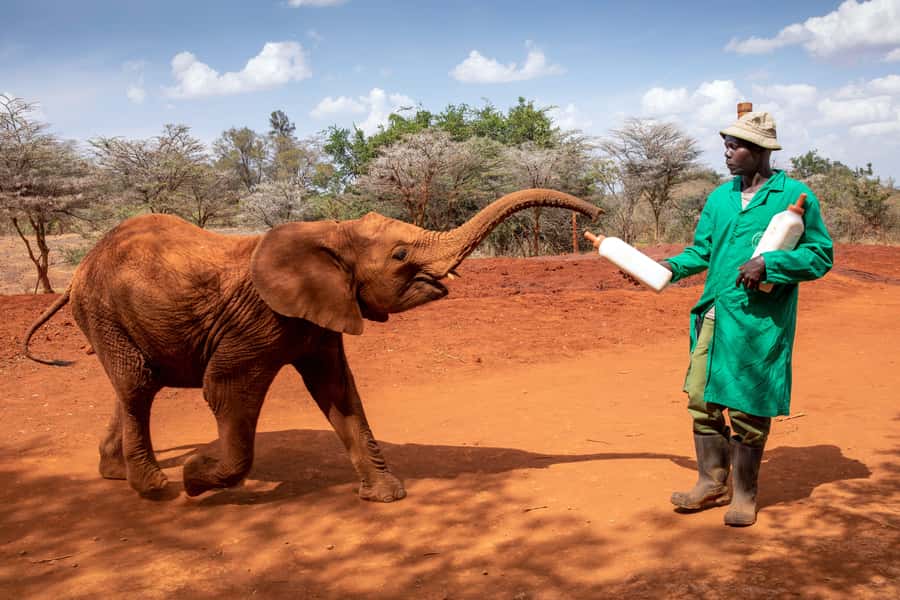
- Milk feeding is the star of the visit: Watch young elephants drink from enormous bottles, then play with water and receive attention from their keepers.
- The viewing area is simple and close: Rope fences surround an open space where the calves come out from the bushes.
- You learn each calf’s backstory: The guide explains its age, rescue circumstances, and the rehabilitation plan.
- Orphanhood has grim causes: Poaching, wells, and conflict between people and wild animals are the main reasons calves arrive.
- The advertised $70 is not the full adult cost: A mandatory $85 Nairobi National Park conservation fee is separate.
- The visit fits neatly into a Nairobi stay: Pickup begins at 9:30 am, with the orphanage visit scheduled from 11 am to noon.
Why the David Sheldrick Wildlife Trust visit feels different
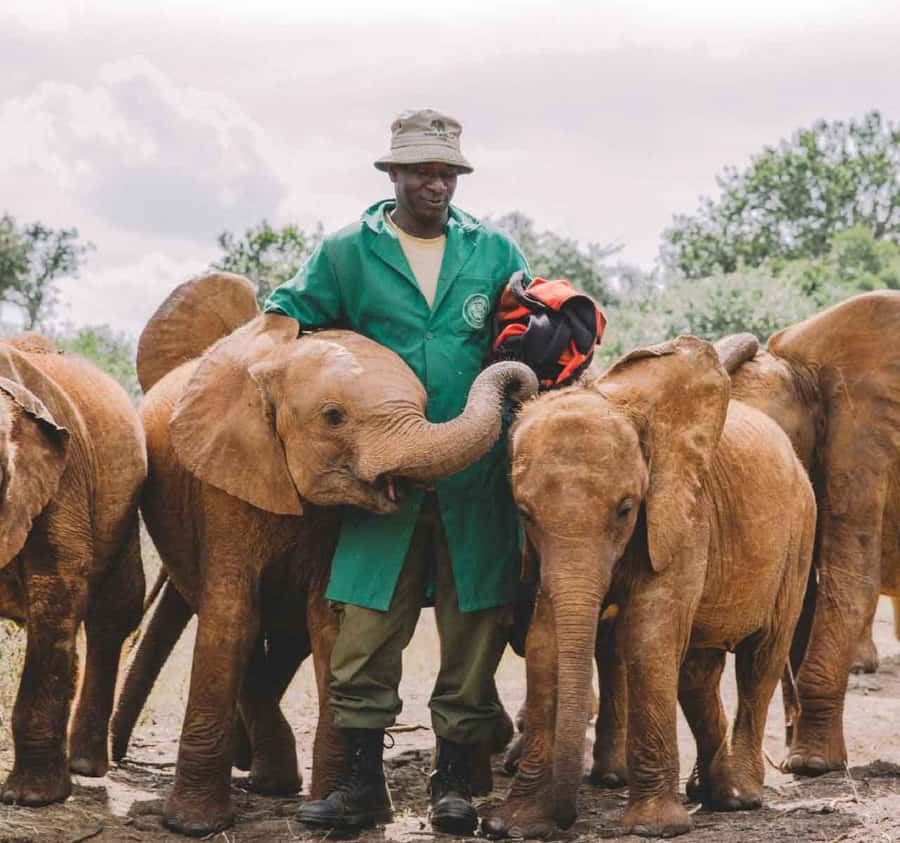
Many animal attractions offer a quick look and a few photo opportunities. This visit gives you a clearer picture of what rescue work involves. You see the calves being fed, but you also learn why they need care and what happens after their time at the center.
The setting is deliberately modest. You walk through a small open area surrounded by rope fences rather than entering a large viewing complex. The youngest elephants trot out from the bushes when their keepers arrive, which gives the feeding session a natural rhythm.
I like that the attention stays on the animals rather than on a long list of extra attractions. The calves drink, gargle, play, and return to the bush. You are watching a working care program, not a staged animal show.
The experience is especially powerful because elephants do not become orphaned for one single reason. A calf may lose its mother to poaching, fall into a well, or be caught in conflict between people and wildlife. Those explanations give the milk bottles and cuddles a more serious meaning. The goal is rehabilitation, not simply keeping young elephants on display.
More Wildlife Tours in Nairobi
- Nairobi Park Wildlife Safari
★ 5.0 · 31 reviews - Half day wildlife tour to Nairobi National Park Game Drive with Pickup/Drop off
★ 5.0 · 26 reviews - 6 Days Kenya Adventure Wildlife Safari
★ 5.0 · 26 reviews
What happens after the 9:30 am Nairobi pickup
The tour starts with pickup from your hotel or home in Nairobi at 9:30 am. Transport is included, which makes this a practical choice if you do not want to arrange a separate taxi or navigate the route yourself.
The schedule lists about three hours for the van portion and a one-hour visit at the Trust. It also places arrival at the center around 11 am, followed by the main viewing session from 11 am to noon. Those details do not line up perfectly with the advertised three-hour total, so I would confirm the exact pickup and return time before booking.
That timing matters if you have a flight, another tour, or a fixed lunch reservation. The safest plan is to leave open space around the excursion rather than treating the three-hour label as a precise door-to-door promise.
Transport returns you to Nairobi after the visit. The included transfer is described for Nairobi city, so confirm the pickup and drop-off area if your accommodation sits outside the central city zone.
The one-hour elephant feeding session
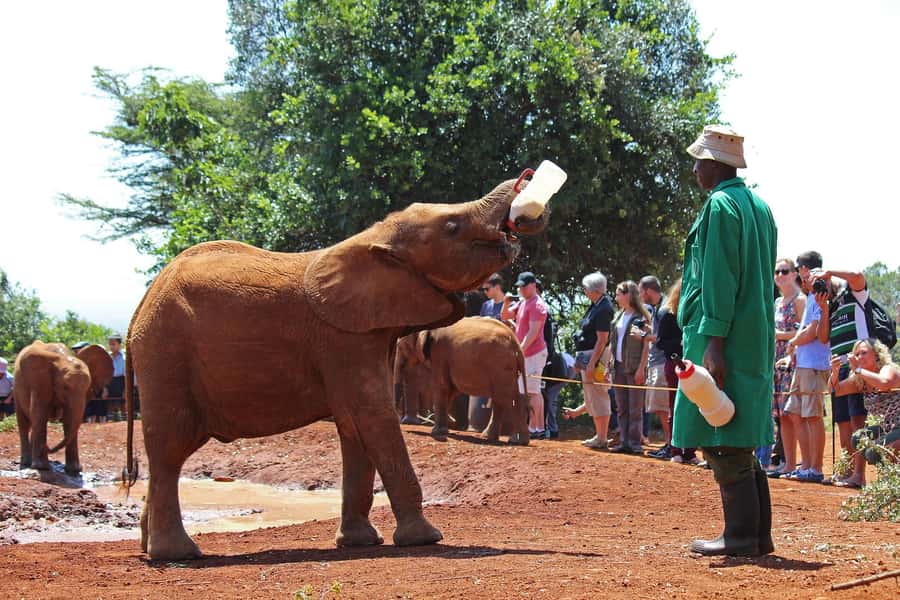
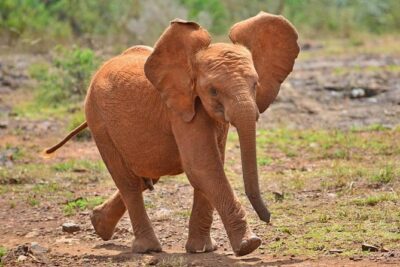
The main visit takes place in an open space enclosed by rope fences. From there, you watch the keepers bring out the youngest calves. The smallest elephant may trot from the bushes to greet its keeper, already expecting a large bottle of milk.
For roughly 10 to 15 minutes, each little elephant drinks. The scene is both sweet and wonderfully messy. The calves suck and gargle their milk, and some close their eyes as they work through several liters.
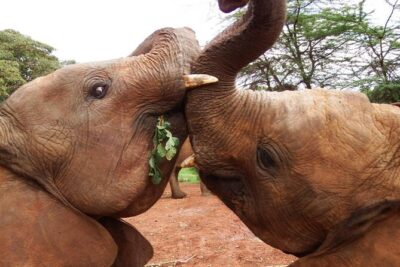
After feeding, the elephants get water to play with. Keepers pet and cuddle them, and you have time to watch their behavior and take photographs. The calves are close enough for you to notice their different sizes and personalities, though the rope fence keeps a proper boundary between you and the animals.
The order of the session helps you understand the care routine. The youngest children are fed first and then taken back into the bush. After that, the two- and three-year-olds come out.
Some of the older calves can hold their own bottles. Others still need help from the keepers. Watching an elephant place a giant bottle between its legs, close its eyes, and drink quickly is the kind of small detail that makes the visit worth your morning.
The stories behind the rescued calves
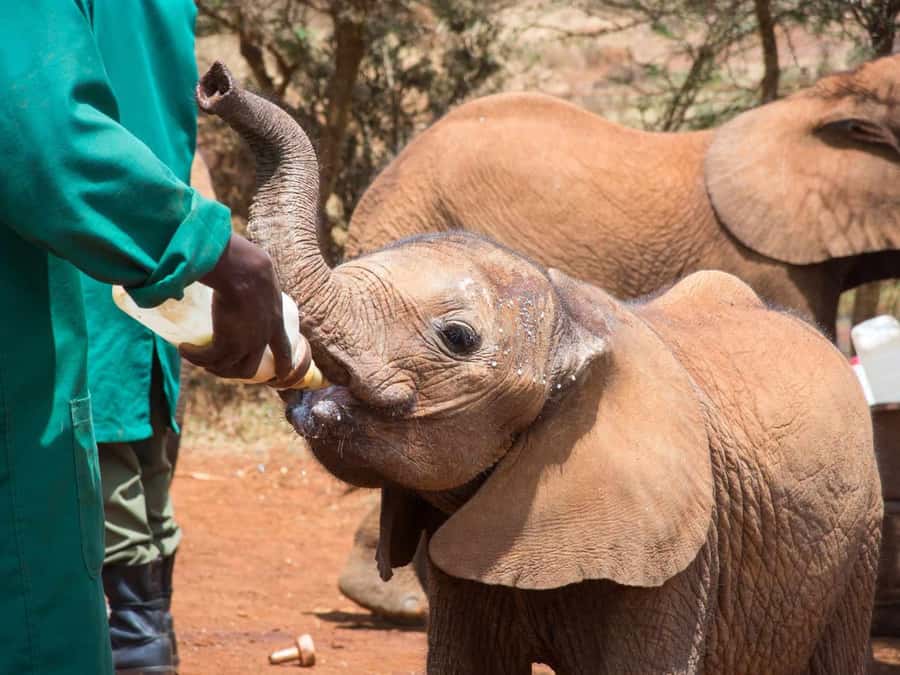
The keeper’s talk adds weight to the cute moments. You can learn how old each calf was when it arrived, where it was rescued from, and what caused the trouble.
The main causes are clearly explained:
- Poaching can kill a mother and leave a dependent calf alone.
- A calf can fall into a well and become separated from its herd.
- Conflict between people and wild animals can break up elephant families.
This context changes how you look at the feeding. A bottle is not just a photo prop. It replaces the milk and protection a calf would normally receive from its mother while the Trust works toward a longer rehabilitation plan.
The information is also useful for families. Children can enjoy the playful behavior while learning that wildlife protection involves hard choices, rescue work, and long-term care. The visit gives you a way to discuss conservation without turning the entire morning into a lecture.
More elephant orphanage visits:
- Elephant Orphanage and Giraffe Center Tour with Options
★ 4.5 · 457 reviews - Nairobi National Park, Elephant Orphanage and Giraffe Centre
★ 4.6 · 365 reviews - From Nairobi: Elephant Orphanage and Giraffe Center Day Trip
★ 4.5 · 235 reviews - Elephant Orphanage & Giraffe Centre Tour
★ 4.5 · 225 reviews
What the rehabilitation plan means for you
The Trust’s purpose is not simply to raise elephants in captivity. The calves are being cared for with the aim of rehabilitation and a return to a more independent life. You will learn about those plans during the guided visit.
That makes the experience different from a standard zoo stop. The time at the center shows one stage of a much longer process. The calves need milk, supervision, and social care when they arrive, but the wider goal is to help them move beyond that dependence.
You should also understand what you will not get. This is not a game drive through Nairobi National Park, and you are not promised sightings of adult elephants, lions, or other wild animals. The focus is the orphanage and the calves under human care.
If your main goal is seeing elephants in the wild, you need a separate safari experience. If you want to understand rescue work and see young elephants at close range, this visit is a much better fit.
Photos, viewing space, and the pace of the morning
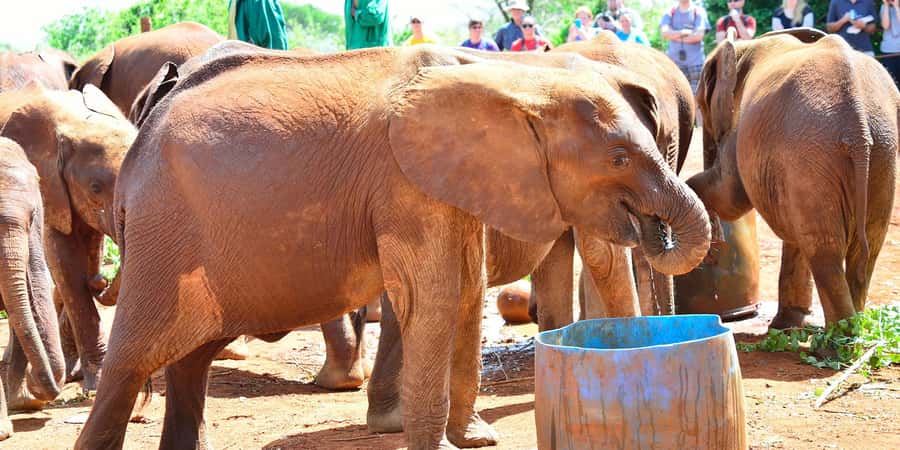
The open viewing area gives you a clear chance to take pictures as the calves feed and play. The most photogenic moments are likely to come quickly: a calf greeting its keeper, wrestling with a bottle, splashing in water, or returning toward the bush.
I would keep your camera ready before the feeding begins. The milk portion lasts only about 10 to 15 minutes for each calf, and the full visit is scheduled for one hour. You will have time to watch the older group, but this is not a slow, all-day animal encounter.
The rope fences help keep the setting open, but they also mean you should follow the guide’s instructions closely. The animals are young and being cared for, not trained for visitor contact. You can see the keepers pet and cuddle them, but that does not mean you should expect to touch the calves yourself.
The simple setup is part of the appeal. You are not looking through thick glass or watching a performance on a stage. At the same time, a small center can feel busy if several groups arrive together, so the quality of your view may depend on where you are standing.
Is $70 a good value?
The listed price is $70 per person. It includes the transfer to and from Nairobi city, the elephant orphanage ticket, and the entrance fee to the center.
That sounds reasonable for a three-hour Nairobi outing with transport and a guided wildlife visit. You avoid arranging a separate vehicle, and the ticket line is skipped. For a short morning activity, those conveniences have real value.
But the important cost is the mandatory Nairobi National Park conservation fee. It is listed separately at $85 per adult and $50 per child, and you must pay it to access the Elephant Orphanage.
For an adult, the listed expenses therefore reach at least $155 before lunch. For a child, the total is at least $120, assuming the $70 tour price applies to that child. Because the pricing details do not spell out child tour rates, confirm the final amount before payment.
There is also an optional Giraffe Center visit for $25 per person. That can make the outing more varied, but it is not part of the core elephant visit. I would add it only if you want a longer wildlife-themed morning and have confirmed that the timing works.
Lunch is not included, though food is available for purchase. The extra fees do not make the tour poor value, but they do change the budget calculation. Book it because the experience suits you, not because $70 is the final adult price.
Who will enjoy this Nairobi excursion most?
I would recommend this tour to you if you want a focused wildlife experience without leaving Nairobi for a full safari. It works well for families, first-time visitors, and anyone drawn to conservation work rather than only animal photos.
It is also a good choice if you value included hotel pickup. Nairobi traffic and unfamiliar routes can make a short outing more complicated than it looks, so having transport arranged removes one practical worry.
You may want to skip it if you need a very exact schedule. The listed pickup, center hours, transport duration, and three-hour total do not fit together neatly. Confirm the day’s timing with Gracepatt Safaris, the experience provider, and avoid placing a flight or important appointment immediately afterward.
You should also budget for the conservation fee from the beginning. That is the biggest financial consideration, not a minor add-on.
Booking, language, and cancellation details
The tour is offered with a live English-speaking guide. The provider is Gracepatt Safaris.
You can reserve now and pay later, which is useful if your Nairobi plans may shift. Free cancellation is available up to 24 hours in advance for a full refund.
Availability and starting times should be checked for your chosen date. The advertised start is a 9:30 am Nairobi pickup, with the elephant viewing session planned for 11 am to noon.
Should you book the David Sheldrick Wildlife Trust tour?
Book it if you want to see rescued elephant calves being fed, understand how they became orphaned, and support a visit centered on rehabilitation rather than spectacle. The milk bottles, splashing water, and keeper care make the hour highly engaging, while the rescue stories give it real purpose.
Before you commit, add the $85 adult or $50 child conservation fee to your budget and confirm the exact transport timing. If you accept those costs and the schedule suits your day, this is one of the more meaningful short wildlife activities available from Nairobi.
FAQ
Where does the David Sheldrick Wildlife Trust tour take place?
The tour takes place at the David Sheldrick Wildlife Trust in central Kenya, with pickup and return in Nairobi.
What time does pickup begin?
Pickup from your Nairobi hotel or home begins at 9:30 am.
How long does the tour last?
The activity is advertised as three hours. The elephant orphanage visit itself is scheduled for one hour, from 11 am to noon. The listed transport timing should be confirmed because the details do not fit together exactly.
What happens during the elephant orphanage visit?
You watch rescued elephant calves receive milk from large bottles, play with water, interact with their keepers, and return toward the bush. You also learn about their ages, rescue circumstances, and rehabilitation plans.
How many elephant age groups are shown?
The youngest calves are shown first. After they return to the bush, the two- and three-year-old elephants come out.
Is transportation included?
Yes. Transfer to and from Nairobi city is included.
Is the Nairobi National Park conservation fee included?
No. The mandatory fee is listed separately at $85 per adult and $50 per child.
Is lunch included?
No. Lunch is available for purchase at your own expense.
Can I add a visit to the Giraffe Center?
Yes. An optional Giraffe Center visit is available for $25 per person. It is separate from the elephant orphanage visit.
Just added in Nairobi
- Wildlife Capital: Half-Day Safari at Nairobi National Park★ 5.0 · 2 reviews
- 3 days maasai mara migration safari★ 4.5 · 7 reviews
- 4 Days Tour Landcruiser in Masai Mara and Lake Nakuru★ 5.0 · 10 reviews
- 4 Days Safari to Lake Nakuru N/P and Maasai Mara N/R★ 5.0 · 18 reviews
- Day Tour to Nairobi national park, Elephants, and Giraffe Center★ 3.5 · 8 reviews
- 6 Days Kenya Budget Group Safari★ 5.0 · 2 reviews
- Maasai Mara Day Trip★ 5.0 · 15 reviews
- 3 Days Masai Mara Wildebeest migration Budget safari★ 5.0 · 2 reviews
Elephant Orphanage Tours, compared.
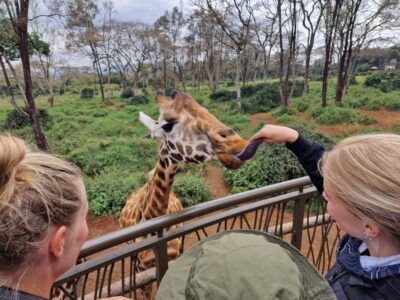
Elephant Orphanage and Giraffe Center Tour with Options
Read our review →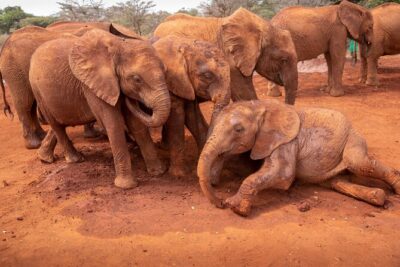
Nairobi National Park, Elephant Orphanage and Giraffe Centre
Read our review →
Half day tour to Elephant orphanage & Giraffe Centre Nairobi
Read our review →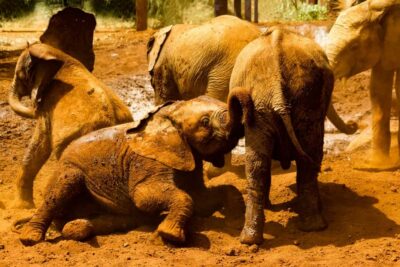
National Park, Elephant Orphanage & Giraffe Center
Read our review →
Giraffe Centre, Elephant Orphanage, and Bomas of Kenya Day Tour from Nairobi
Read our review →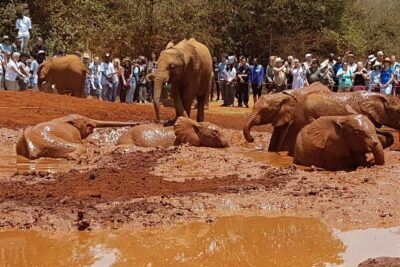
Giraffe Center, Elephant Orphanage, Beads Center & Bomas of Kenya Tour Nairobi
Read our review →Browse the lists this tour appears in